




Vintage Oriental Floor Carpet
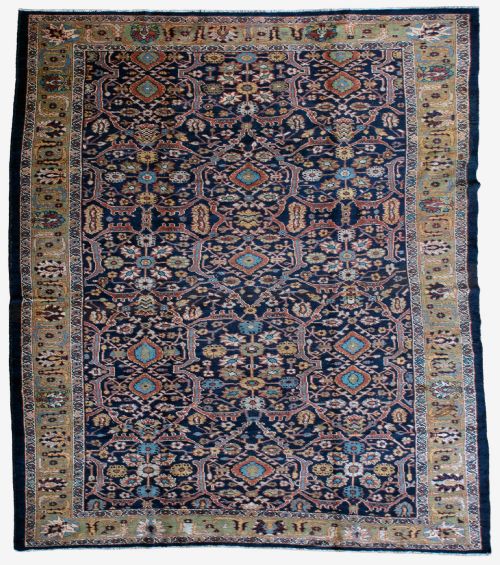
A vintage oriental floor carpet brings heavy tribal weight and rich natural dye colour into a room, spanning styles from Persian Heriz to Caucasian and Turkmen.
Vintage Oriental Floor Carpet
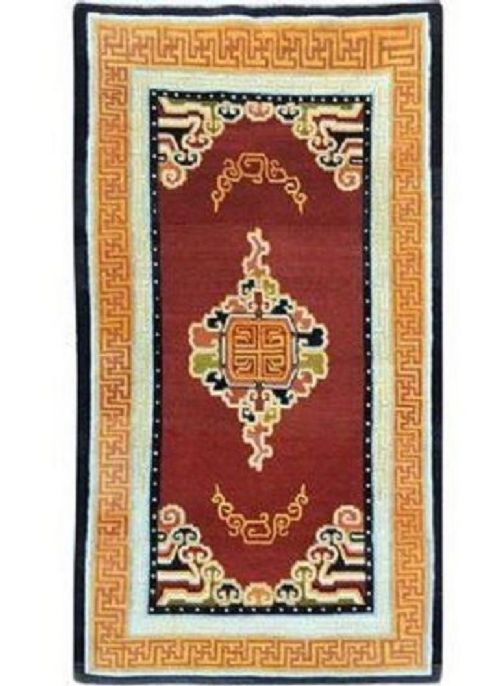
A vintage oriental floor carpet is a woven textile meant for ground placement, encompassing large hall-filling carpets, room-sized formats, and long narrow runners. Buyers seek these pieces to anchor interiors with traditional patterns originating from Persia, the Caucasus, and Turkey.
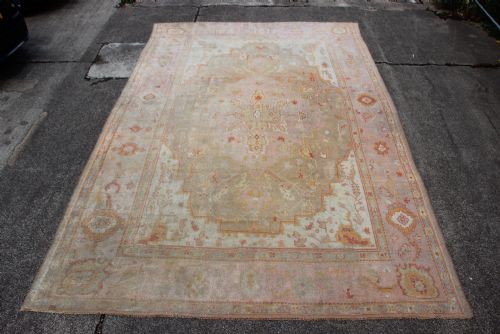
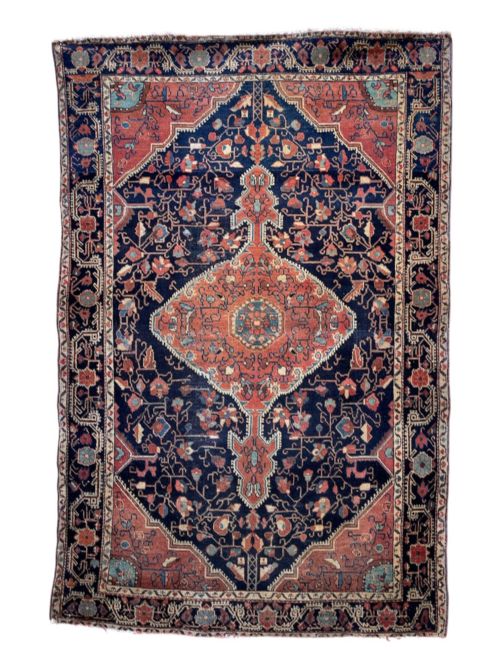
The selections encountered here stretch across decades of weaving tradition, with specimens hailing from the mid-nineteenth century up through the nineteen-thirties. Tribal and village workshops produce many of the smaller formats, while larger grand carpets emerge from established regional centres such as Heriz, Oushak, and Saroukh.
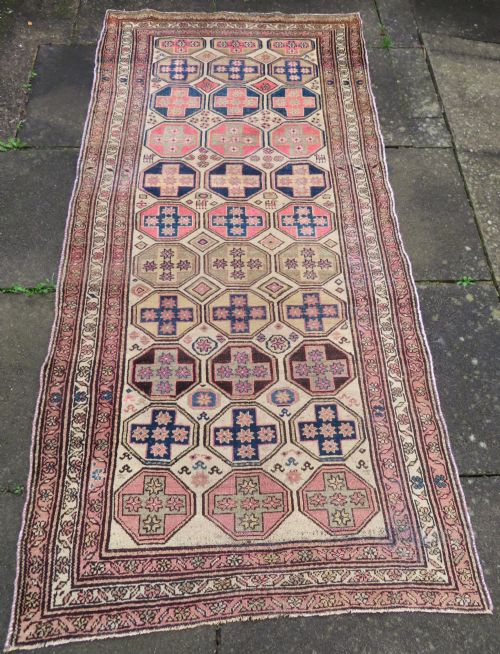
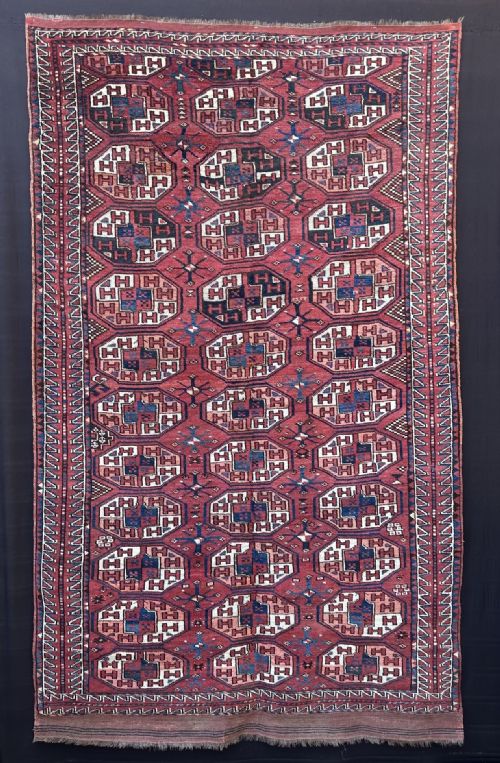
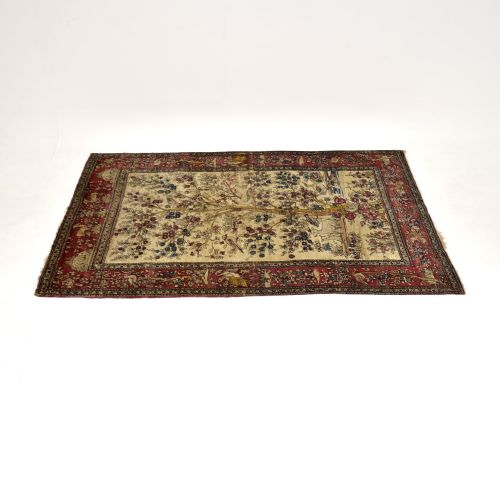
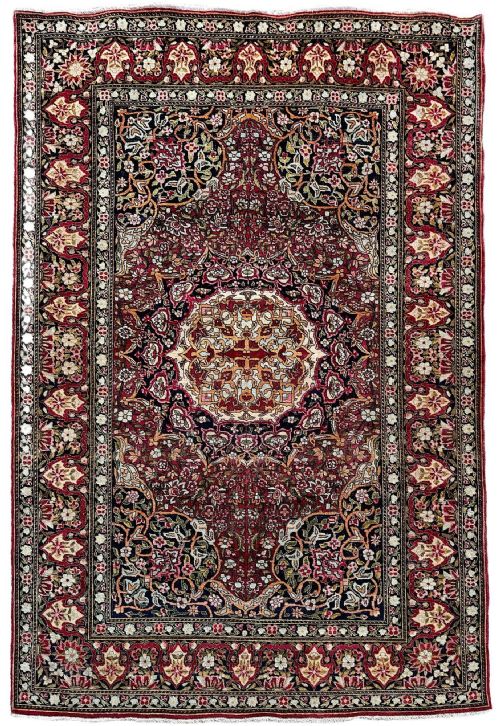
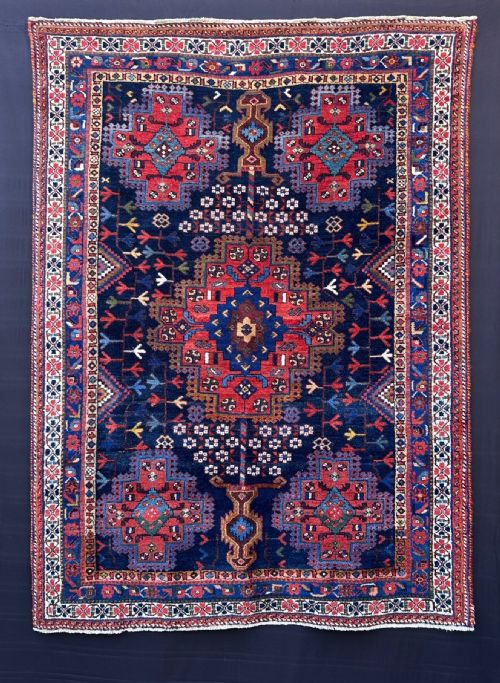
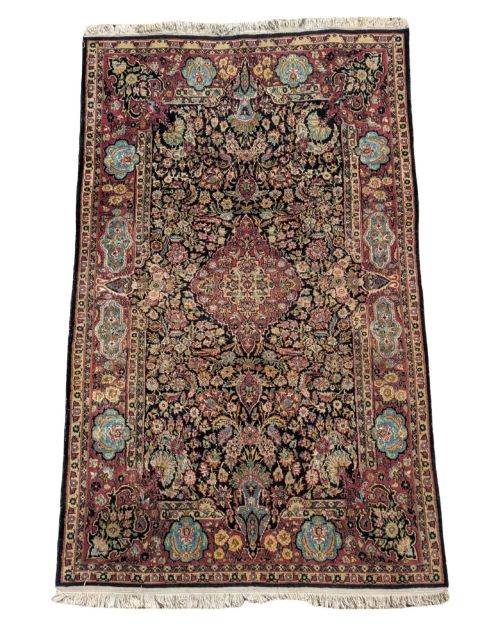
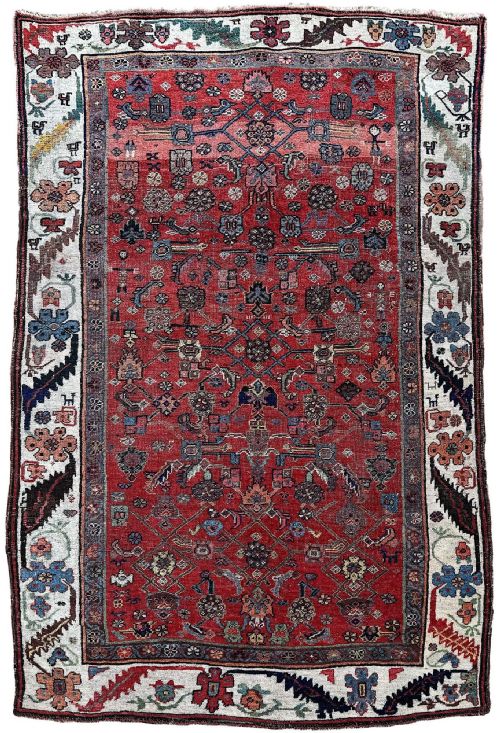
Village and tribal formats feature geometric medallions, repeating lattice patterns, and dense nomadic motifs that reflect the distinct heritage of makers from Kurdish, Bakhtiar, Afshar, and Turkmen groups. Town carpets lean towards balanced floral compositions, central medallions, and intricate border systems executed with measured precision.
Materials and construction
Construction relies heavily on durable wool foundations and pile, often supported by cotton warps and wefts in town workshops. Certain exceptional pieces integrate silk highlights to catch the light across intricate floral fields.
Weavers utilised natural dyes derived from plants and minerals to achieve deep reds, navy blues, and warm rust backgrounds that age with stable patination. The density of the knotting and the stability of the weave determine how well the carpet withstands heavy foot traffic in domestic spaces.
Certain nomadic weavers slipped tiny deliberate errors into their geometric carpets to ward off the evil eye.
What separates the grades
Quality rests in the crispness of the drawing, the saturation and harmony of the natural dyes, and the integrity of the original borders. Finer town carpets demonstrate precise knot density and delicate curvilinear balance, whereas tribal pieces draw distinction from bold graphic execution and rich, undiluted colour.
The handling of the wool stock and the retention of full side cords and original ends dictate the preservation state. Carpets retaining their original proportions and unclipped pile display the intended visual impact conceived by the original weaver.
The Vintage Oriental Floor Carpet Glossary
- Warp
- The vertical threads stretched lengthwise on the loom before weaving begins. The fringes of the carpet are typically formed by the exposed ends of these threads.
- Weft
- The horizontal threads passed through the warps after each row of knots to pack the structure tight. Cotton is a frequent material for this component in town rugs.
- Natural Dyes
- Colourants extracted from organic sources such as plants, roots, and insects prior to the introduction of synthetic alternatives. These dyes yield complex, varied tones that mellow gracefully over decades.
- Medallion
- A large central ornamental motif placed in the middle of the carpet field. Town and village weavers alike utilise this focal point to anchor symmetrical designs.
- Pile
- The vertical surface of yarn created by individual knots tied to the warp threads. The length and density of this wool or silk layer define the tactile feel underfoot.
Vintage Oriental Floor Carpet: Frequently Asked Questions
How do I choose the right size?
Measure the floor space carefully to ensure the carpet leaves an even border of exposed floor around the perimeter of the room. Large formats suit central living spaces, while narrow runners fit hallways and long corridors.
Consider the placement of furniture legs when selecting dimensions, aiming either to place all main seating pieces fully on the carpet or entirely off it.
Are these carpets suitable for heavy traffic?
Traditional wool construction on sturdy cotton foundations provides natural resilience against regular foot wear. Regular placement in hallways and living areas is common for dense tribal and village weaves.
Using an appropriate underlay beneath the textile prevents slipping and cushions the fibres against hard subfloors, extending the functional lifespan.
How do I identify a tribal design?
Tribal carpets display geometric motifs, repeating animal or plant abstractions, and rectilinear medallions rather than flowing floral curves. These patterns stem from nomadic or village traditions rather than urban manufactories.
Palettes often include deep reds, warm earth tones, and abrash colour variations resulting from hand-dyed wool batches prepared in smaller quantities.
How should I clean a vintage carpet?
Gentle surface brushing and careful vacuuming without a rotating beater bar remove loose dirt from the pile safely. Professional specialist cleaning remains necessary for deep washing to protect natural dye integrity.
Avoid harsh chemical treatments or excessive moisture, which can weaken old wool and cotton foundations and alter the original colour balance.