



Vintage Oriental Cloisonne
Vintage oriental cloisonne brings together enamelled metalwork and traditional decorative arts from Japanese and Chinese makers.
Vintage Oriental Cloisonne
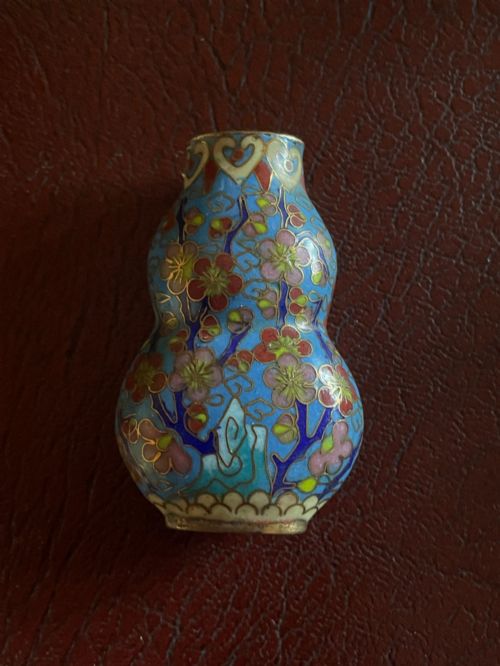
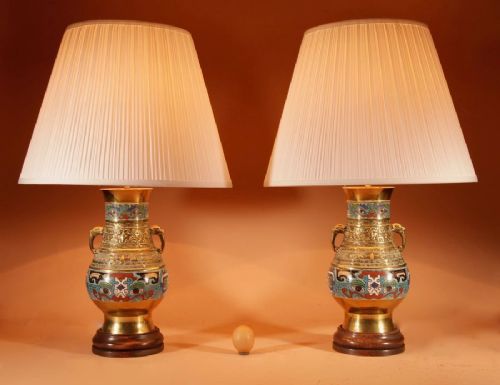
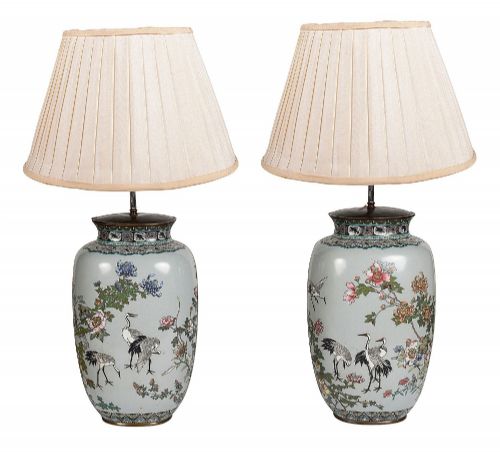
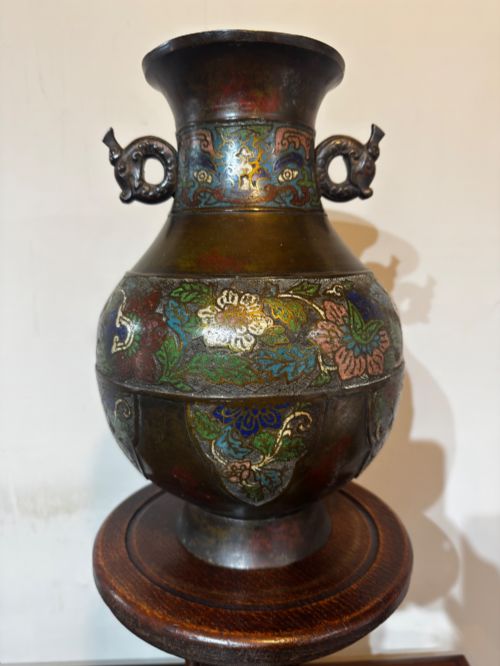
Vintage oriental cloisonne covers decorative objects and furnishings created across the nineteenth and twentieth centuries in China and Japan. When searching for vintage oriental cloisonne, buyers encounter diverse forms ranging from vases and chargers to table lamps and jardinieres. The pieces reflect distinct periods including the Meiji period and the Qing dynasty.
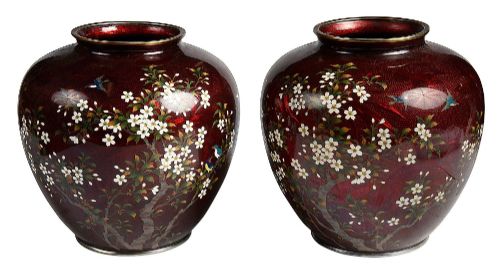
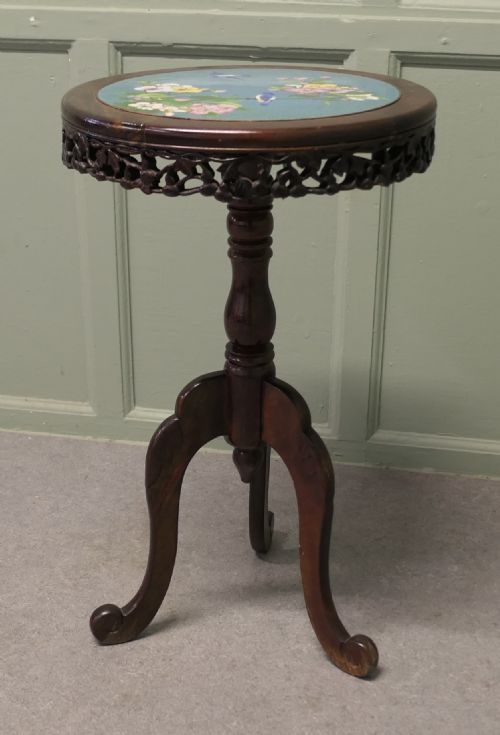
Vases and decorative plates dominate the selection, often featuring motifs of birds, flowers, and traditional figures. Many examples from the late nineteenth and early twentieth centuries show intricate craftsmanship adapted into household lamps or side tables. Japanese Meiji period examples frequently display fine wirework and naturalistic imagery.
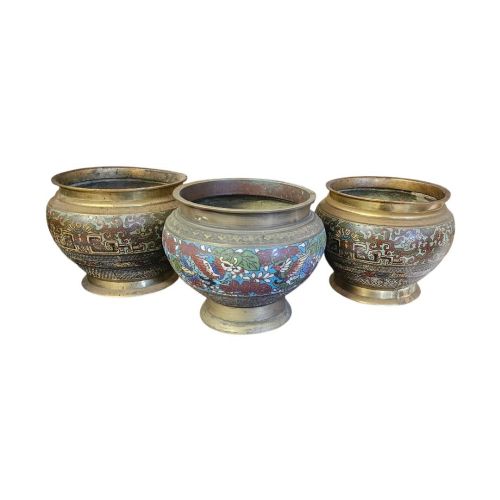
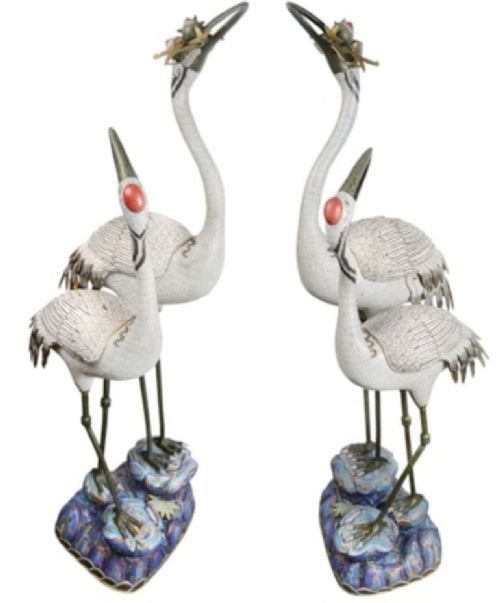
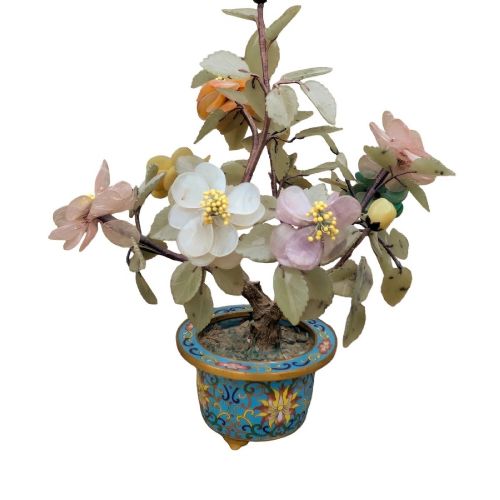
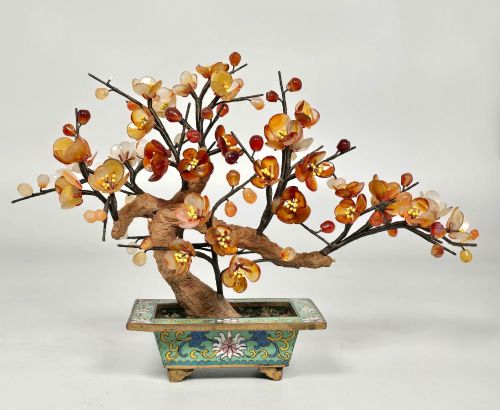
Chinese pieces in the selection span late Qing dynasty production through the early twentieth century, utilising bronze, brass, and gilt metal foundations. Buyers also find bonsai trees incorporating cloisonne containers alongside hardstone elements. Each piece demonstrates regional stylistic conventions developed over generations of metalworking.
Materials and construction methods
The construction of these items begins with a metal body formed from copper, brass, bronze, or silver. Artisans solder thin metal wires, known as cloisons, onto the surface to create detailed compartments forming the design. These individual cells are then filled with coloured enamel pastes before firing in a kiln.
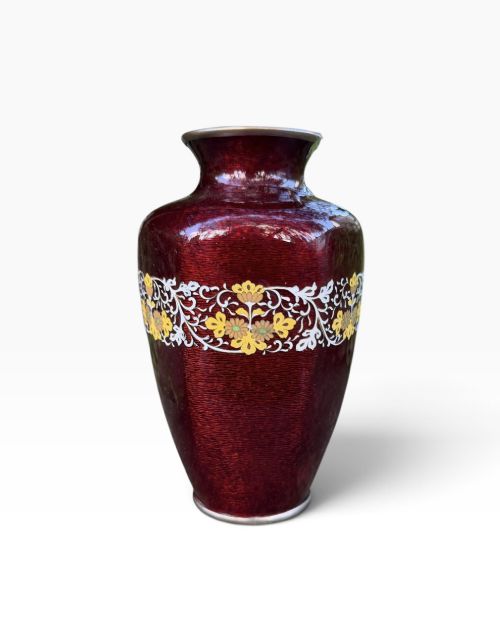
Following the firing process, the surface is ground down and polished until the metal wires and glass enamel rest on a smooth, unified plane. Advanced techniques visible in the selection include ginbari and basse-taille methods, where transparent enamels overlay textured or foil-backed grounds. Gilt bronze and ormolu mounts frequently finish the edges and bases of higher-status vessels.
Listings feature items spanning the late eighteenth century through the 1930s, constructed from enamel, bronze, brass, and copper.
Factors determining quality and execution
Quality in these enamelled works rests primarily on the precision of the wirework and the density of the enamel. Finer examples display hair-thin brass or silver wires forming complex pictorial scenes without visible gaps or pooling in the coloured glass paste. The clarity of the polishing and the absence of pitting across the enamelled surface separate superior pieces from standard production.
The sophistication of the subject matter and the weight of the underlying bronze or copper armature contribute significantly to the standing of an object. Pieces bearing signatures from renowned makers or workshops reflect higher standards of design and execution. Furthermore, the integration of specialised techniques such as translucent enamel over textured foils indicates advanced artisan skill.
Ando Jubei·Kinkozan
The Vintage Oriental Cloisonne Glossary
- Cloisonne
- An enamelwork technique where metal wire is soldered to a metal base to form cells that are filled with paste and fired. The resulting surface is polished flat to reveal the intricate pattern.
- Champleve
- A metalworking technique where troughs or cells are carved directly into the surface of a bronze or copper object and filled with enamel before firing. This method omits the soldered wire outlines seen in standard cloisonne.
- Ginbari
- A Japanese enamelling technique featuring a textured or foiled metal ground beneath translucent coloured enamel. This creates a shimmering, patterned depth beneath the surface.
- Meiji Period
- The era in Japanese history spanning from 1868 to 1912, characterised by rapid modernisation and exceptional decorative arts production. Works from this era often feature highly detailed naturalistic motifs.
- Jardiniere
- A large ornamental pot or container designed to hold growing plants or flowers. In this category, they are typically constructed from bronze with enamelled body panels.
Vintage Oriental Cloisonne: Frequently Asked Questions
What is oriental cloisonne?
Oriental cloisonne is a traditional enamelling technique where metal wire creates cells on a copper or bronze base, which are then filled with coloured glass paste and fired.
Items created this way include vases, plates, lamps, and decorative vessels produced primarily in China and Japan during the nineteenth and twentieth centuries.
How do I date these pieces?
Dating relies on stylistic markers, metal types, and the complexity of the wirework used in the construction. Pieces associated with the Meiji period or the Qing dynasty exhibit specific decorative conventions and manufacturing traits recorded by makers.
Examining the base, the composition of the metal armature, and any signature marks helps establish the period of origin.
How were these items used originally?
Many objects served as purely decorative display pieces in domestic interiors, including chargers, plaques, and ginger jars. Others had functional roles as table lamps, wine tables, ash trays, and containers for bonsai trees.
Craftsmen designed them to showcase wealth and artistic skill within formal reception rooms and studies.
How do I care for cloisonne?
Cleaning requires only a soft, dry cloth to remove dust from the polished enamel and metal surfaces. Avoiding abrasive cleaners and harsh chemicals protects the glass paste and the gilt or bronze mounts from damage.
Keeping pieces away from direct sunlight and extreme temperature changes preserves the integrity of the enamel and wire cells.