


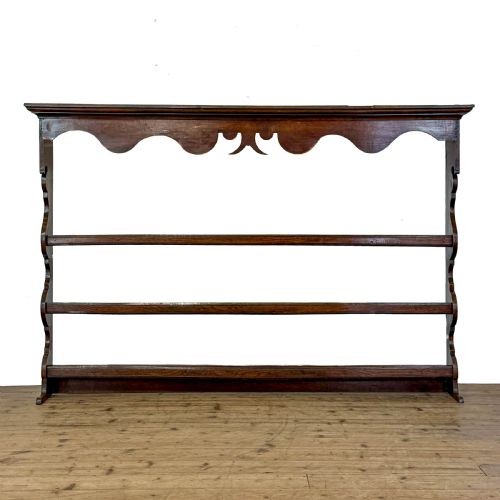


Vintage Open Wall Shelves
These vintage open wall shelves bring practical timber storage and display to tight spaces, offering warmth and utility that modern boards simply cannot match.
Vintage Open Wall Shelves
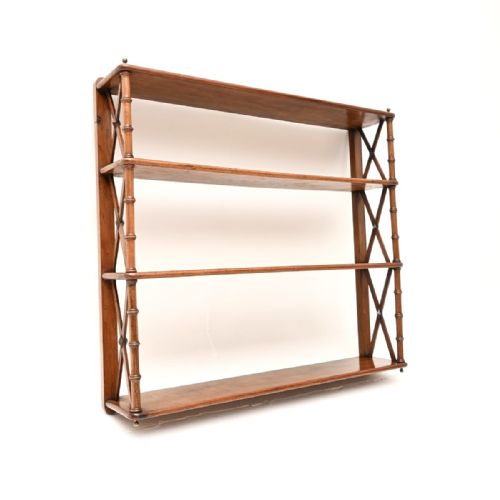
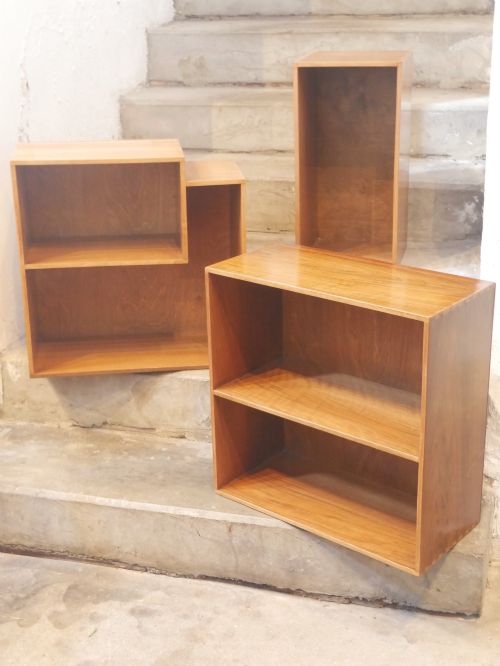
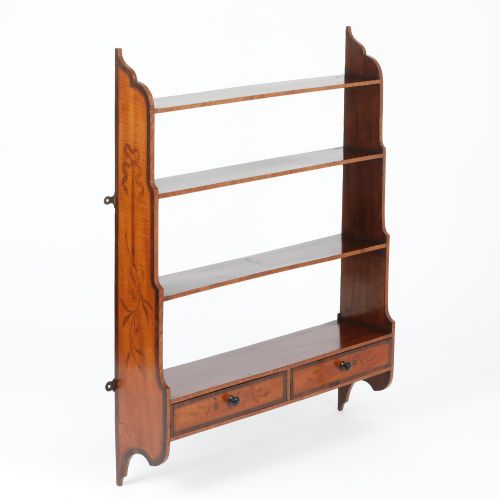
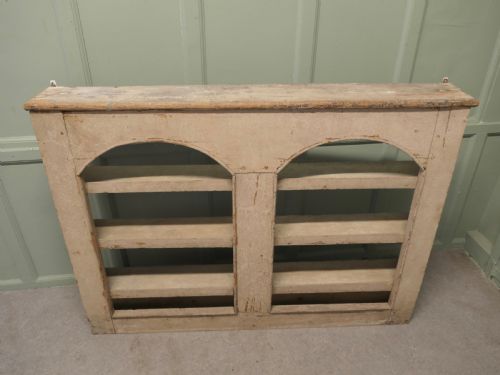
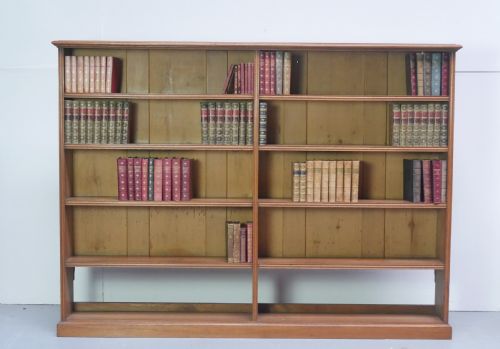
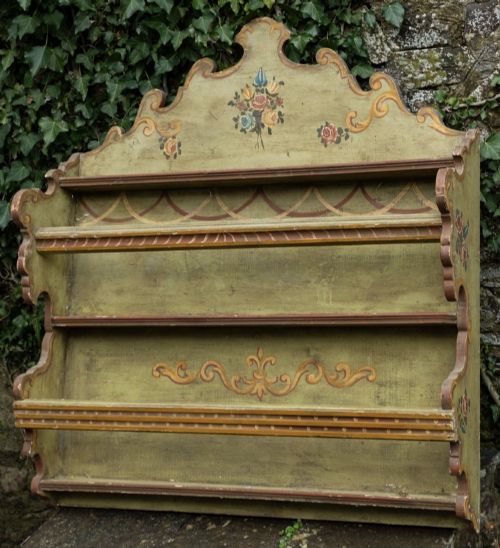
When you search for vintage open wall shelves, you encounter wall-mounted bookcases, hanging waterfall bookshelves, plate racks, and corner shelves spanning the Georgian, Victorian, Edwardian, and Arts and Crafts periods. These items attach directly to walls to hold books, ceramics, and small collections without crowding floor space.
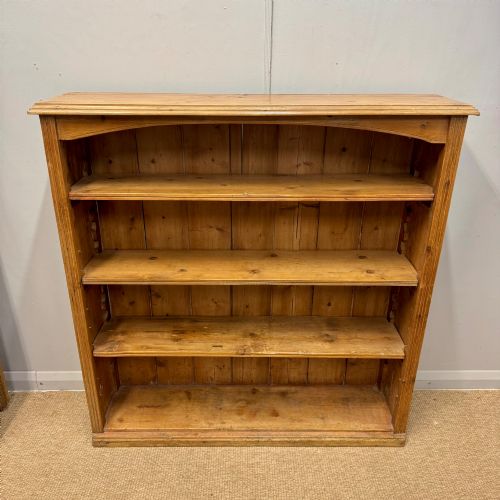
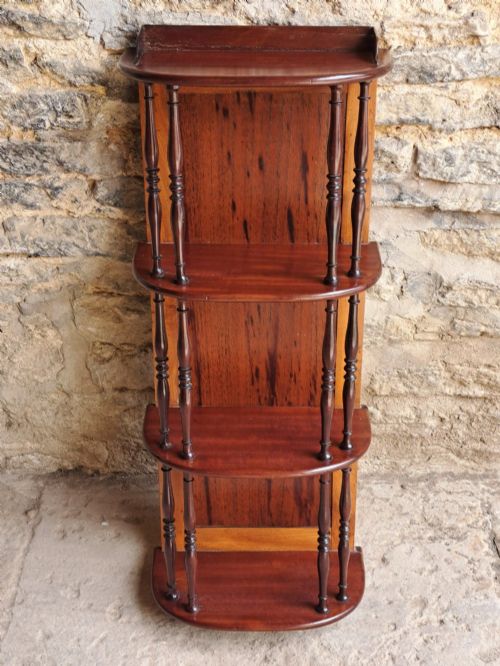
The most common formats on this page are mahogany and pine hanging shelves, often built with two or three tiers designed for books or display. You also find walnut whatnot cabinets, oak cottage dressers, and painted wood display pieces from the nineteenth and early twentieth centuries.
Origin and form vary widely, ranging from simple rustic country pine boards to formal Sheraton mahogany designs and sturdy Arts and Crafts oak structures. Each piece reflects the domestic needs of its era, whether for a modest cottage or a formal Georgian parlour.
Materials and construction
Cabinetmakers utilised solid timbers such as mahogany, oak, walnut, pine, and satinwood, frequently selecting boards for their natural grain and warmth. Plywood appears in later twentieth-century iterations, while brass hardware provides structural support and hanging brackets.
Joinery methods rely on traditional techniques including dovetailing, housing joints, and brass screws to secure uprights to shelves. Many examples incorporate hand-carved decorative elements, giltwood accents, or hand-painted finishes applied over the bare wood.
Some nineteenth-century makers cleverly doubled display shelves as pigeonhole cabinets, hiding secret compartments behind miniature cupboard doors.
Distinguishing quality in construction
Superior examples display thoughtful proportions, such as graduated shelf depths on waterfall bookshelves or finely moulded cornices on Georgian mahogany pieces. The selection of timber grain, particularly in figured mahogany and quarter-sawn oak, separates workshop pieces from utilitarian utility items.
Subtle details like hand-cut dovetails, original brass hanging fixings, and crisp carving indicate higher workshop skill. Conversely, later alterations, replaced boards, or crude pine additions detract from the integrity and balance of the original design.
Heals
The Vintage Open Wall Shelves Glossary
- Whatnot
- A set of open shelves standing on legs or mounted to a wall, used for displaying ornaments and small objects. These pieces became particularly popular during the Victorian period.
- Waterfall bookcase
- Shelving units constructed with stepped shelves that recede from bottom to top, following a descending profile. This style gained favour for displaying books and decorative items.
- Plate rack
- A wall-mounted rack fitted with narrow shelves and wooden guards to hold plates vertically. They frequently appear in rustic country and vernacular furniture settings.
- Giltwood
- Timber treated with gold leaf or a gold-coloured metallic finish to create a decorative surface. This technique appears on ornate Victorian display shelves.
- Satinwood
- A durable, hard timber with a golden sheen used for fine cabinetmaking and inlay work. It often complements darker woods like mahogany in Georgian and Edwardian designs.
Vintage Open Wall Shelves: Frequently Asked Questions
How do I hang antique wall shelves safely?
Most vintage shelves rely on original brass brackets or mounting plates secured through the back uprights. You should locate wall studs or utilise heavy-duty plaster anchors appropriate for the weight of solid hardwood timber.
Ensure the fixings match the load-bearing capacity of the specific wood, especially with dense timbers like mahogany or oak. Level the shelf carefully before final tightening to prevent structural strain on the old joinery.
Are these shelves strong enough for heavy books?
Many smaller hanging shelves and waterfall bookcases were built for lightweight display, pamphlets, or small novels rather than heavy reference volumes. Pine and lighter woods can sag over long spans if overloaded.
Check the thickness of the boards and the condition of the wall fixings before loading heavy items. For substantial book collections, sturdy oak or mahogany units attached securely to masonry offer the best support.
How do I date a set of wall shelves?
Dating relies on timber selection, tool marks visible on hidden surfaces, and stylistic cues from periods like Georgian, Victorian, or Arts and Crafts. Hand-sawn boards and early brass screws point towards eighteenth and early nineteenth-century origins.
Simpler pine utility shelves often date to the Edwardian era or the early twentieth century. Comparing the moulding profiles and decorative carving to dated examples in the same style clarifies the timeline.
How should I clean and maintain antique wood?
Dust the timber regularly with a soft, dry cloth to prevent dirt accumulation in carved details and joints. Avoid modern silicone sprays or heavy liquid polishes that build up sticky residues over time.
Apply a traditional beeswax occasionally to nourish dry timber and preserve the natural lustre of the finish. Keep the shelves away from direct heat sources and strong sunlight to prevent warping and fading.