

Vintage Open Library Shelves
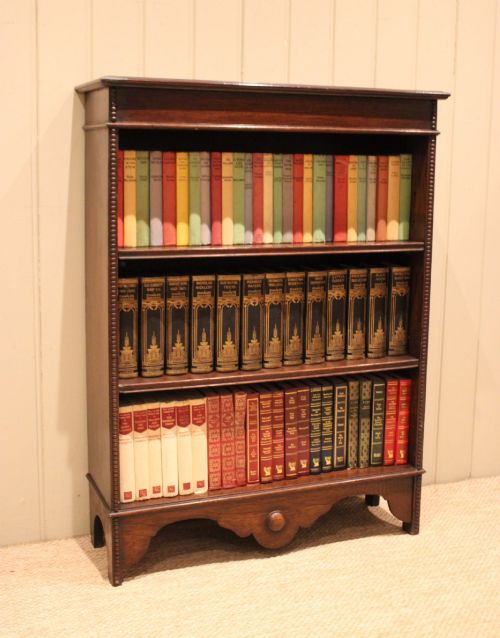
Vintage open library shelves bring adaptable display space into a room, offering sturdy timber construction suited to housing collections of books.
Vintage Open Library Shelves
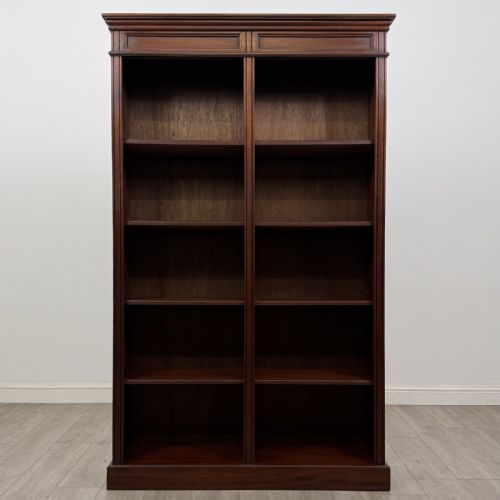
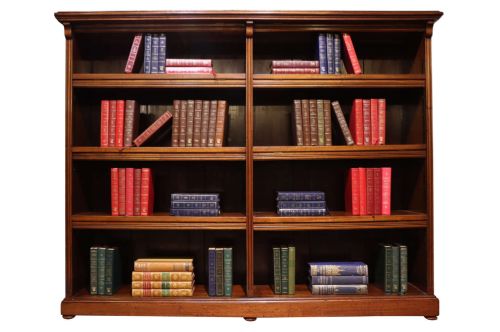
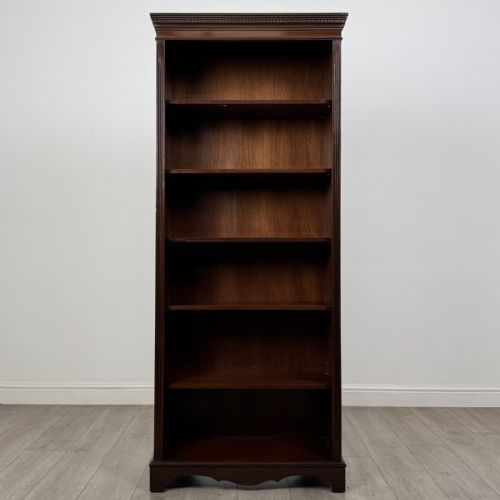
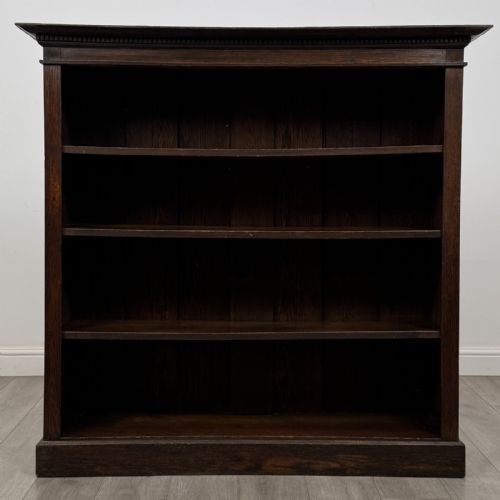
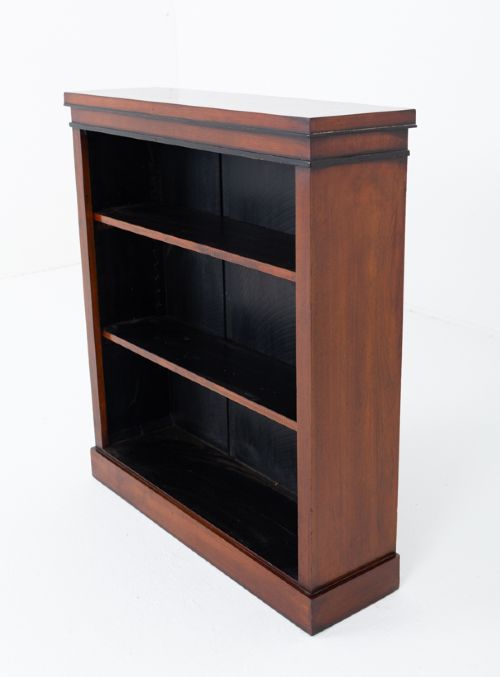
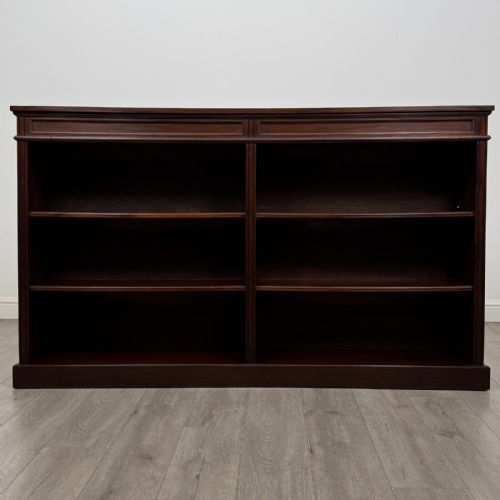
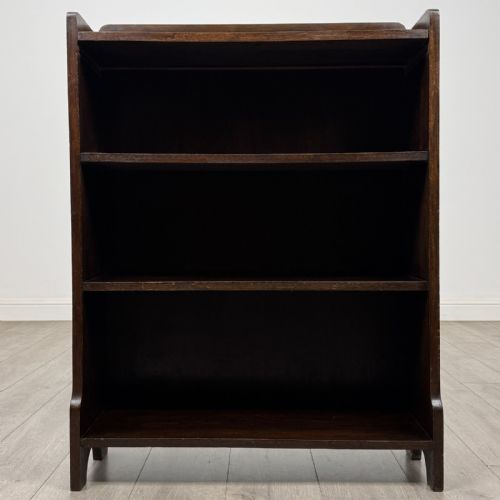
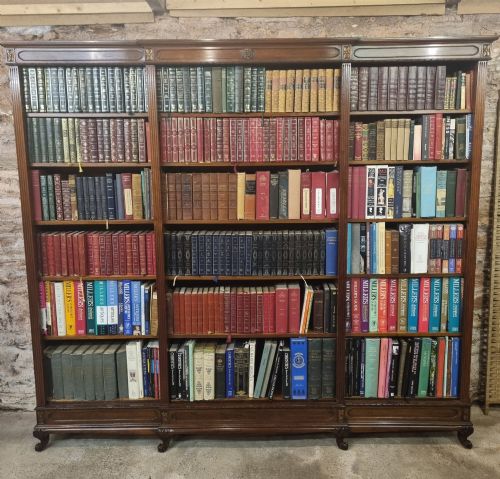
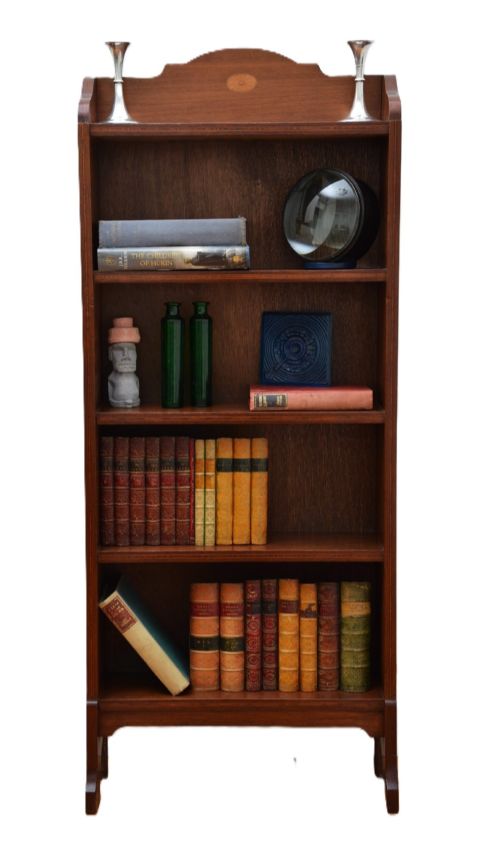
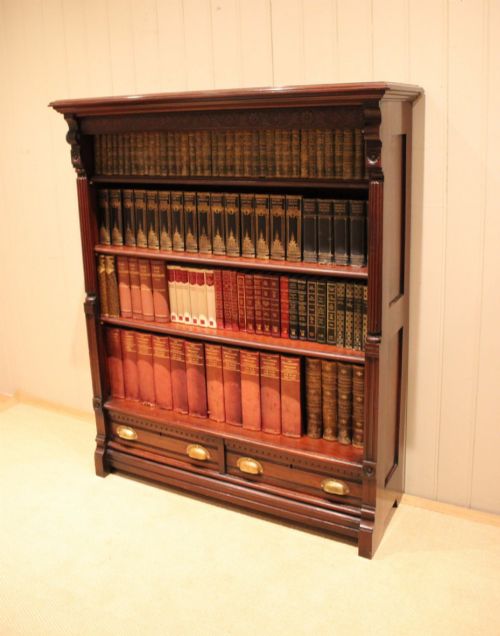
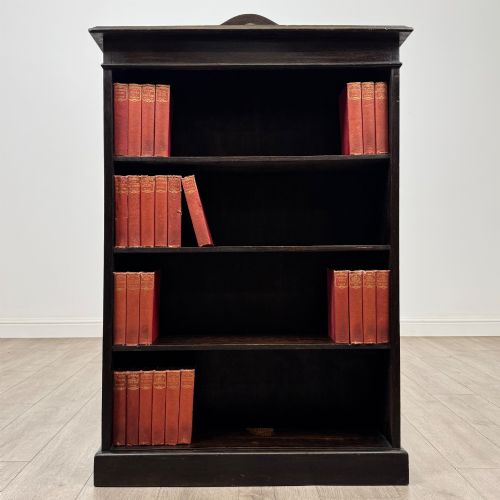
When you search for vintage open library shelves, you encounter sturdy wooden storage units designed to hold books and display objects without enclosing them behind glass doors. These pieces date across several periods, stretching from the nineteenth century through the Edwardian era and into the early decades of the twentieth century. The typical forms include tall bookcases with adjustable shelves, stepped units, and compact freestanding tiers.
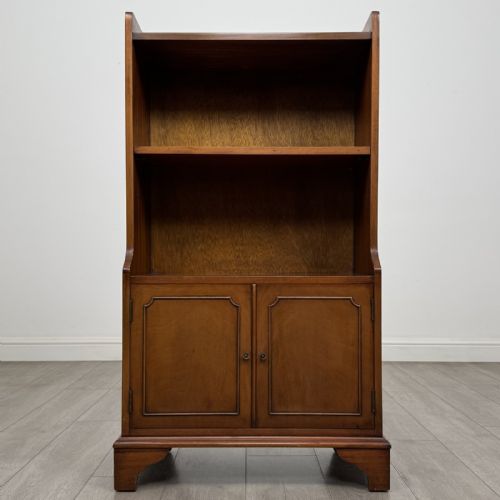
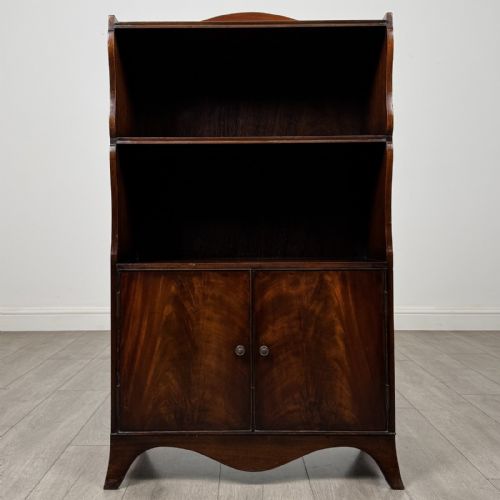
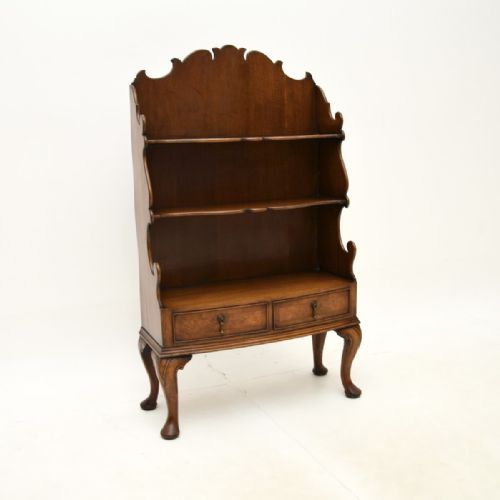
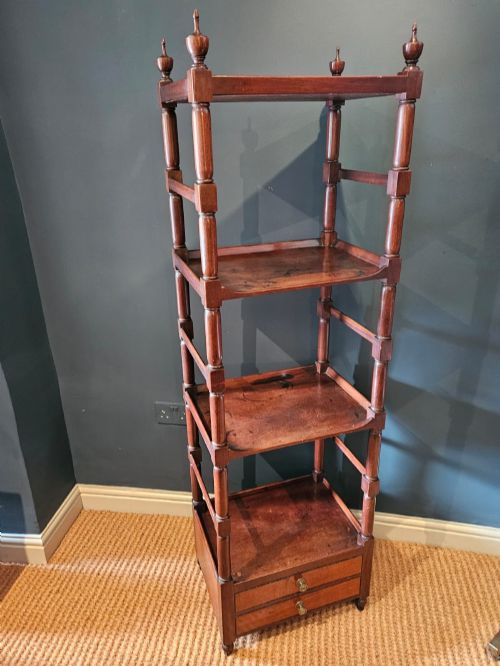
The versions you meet most frequently on this page span Victorian, Edwardian, and early twentieth-century production. Many examples utilise traditional timber framing, with straightforward rectangular profiles designed to stand against room walls. Alongside standard upright bookcases, the listings include specialised forms such as waterfall bookcases and tiered what-not shelving units.
Materials and Construction Methods
Makers constructed these bookcases using robust hardwoods such as mahogany and oak, alongside walnut and burr walnut veneers. Solid timber provides the structural backbone for large nineteenth-century library pieces, while figured veneers appear on later Edwardian and early twentieth-century examples to decorative effect. Pine also occurs as a secondary wood or in simpler constructions, complemented by occasional brass hardware.
Workshops utilised time-honoured joinery techniques to ensure stability under the heavy weight of books. Adjustable shelving systems feature regularly, allowing users to alter shelf heights using wooden supports or metal pins. Carved details and inlaid woodwork appear on select revival styles, ranging from Neoclassical Empire motifs to Sheraton Revival stringing.
Vintage Open Library Shelves Retail Price Guide 2026
Typical asking prices for vintage open library shelves among the pieces listed under this phrase on Sellingantiques today, from the lower quarter to the upper quarter. They describe what is for sale here now, not the wider market.
Listings span the nineteenth century, the Victorian and Edwardian eras, through to the 1930s, utilising mahogany, oak, walnut, and pine.
Factors Determining Quality in Open Shelving
Quality rests upon the selection of timber and the depth of figure in the grain. Pieces utilising solid mahogany, quarter-sawn oak, or richly patterned burr walnut sit at the upper end of the scale. Plain pine or utilitarian secondary woods represent simpler provincial production.
The sophistication of the joinery and the integration of functional elements such as adjustable shelving systems also set examples apart. Refined proportions, neat dimensions, and clean execution of decorative styles like Arts and Crafts or Sheraton Revival indicate skilled cabinet-making.
The Vintage Open Library Shelves Glossary
- Adjustable shelves
- Shelving that can be moved up or down to accommodate books of different heights. This system uses vertical tracks or rows of peg holes inside the bookcase interior.
- Waterfall bookcase
- A tiered shelving unit where each successive shelf steps back from the one below it. The sides often slope downwards in a cascading contour.
- What-not
- An open multi-tiered piece of furniture designed for displaying small objects or books. These freestanding units date widely from the nineteenth century.
- Burr walnut
- A specialised wood veneer taken from the knotted growth of a walnut tree. It produces a highly swirled, decorative grain pattern prized in cabinet-making.
Vintage Open Library Shelves: Frequently Asked Questions
What are vintage open library shelves?
These pieces are freestanding wooden storage units designed to display books and objects without doors. They provide accessible, open storage along room walls.
The listings include various configurations, from tall adjustable bookcases to multi-tiered waterfall units dating from the nineteenth and early twentieth centuries.
How do I date an open bookcase?
Dating relies on observing the timber, the construction methods, and the stylistic details present in the piece. Victorian examples often utilise heavy solid mahogany or oak with deep proportions.
Edwardian and early twentieth-century pieces frequently display lighter golden oak or walnut veneers, reflecting the evolving tastes of those decades.
Are the shelves adjustable on these bookcases?
Many of the library bookcases listed feature adjustable shelving systems. These allow you to change the vertical spacing between shelves to fit books of varying sizes.
Makers achieved this through slotted interior sides or rows of support holes, a practical feature found on both Victorian and Edwardian examples.
What woods were used for these shelves?
Makers predominantly worked with hardwoods such as mahogany, oak, and walnut. Solid timber construction provides the framework for nineteenth-century library pieces.
Later Edwardian and early twentieth-century items often incorporate walnut veneer, burr walnut, or golden oak to highlight the natural grain.