
Vintage Open Library Display
A vintage open library display brings books and collections into everyday rooms through accessible shelving.
Vintage Open Library Display
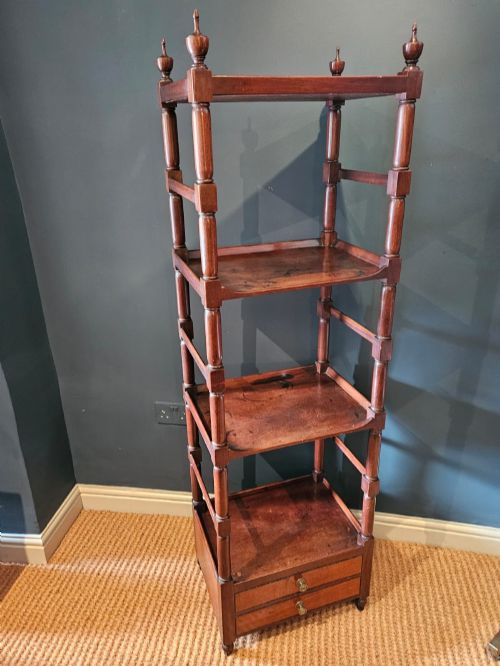
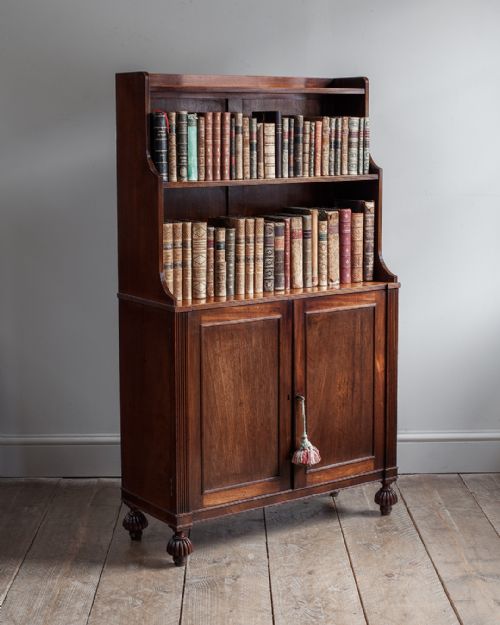
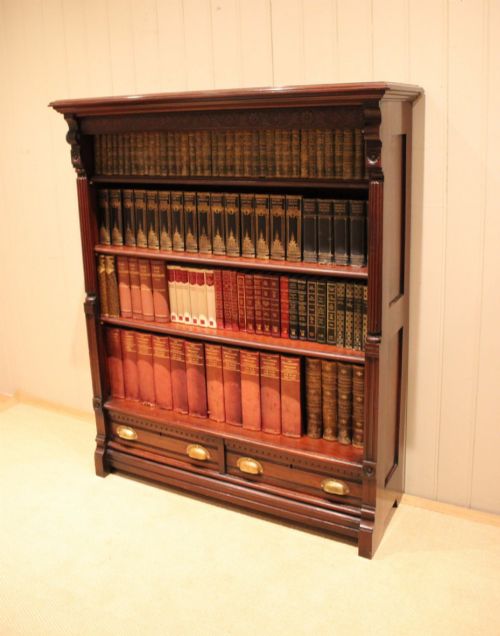
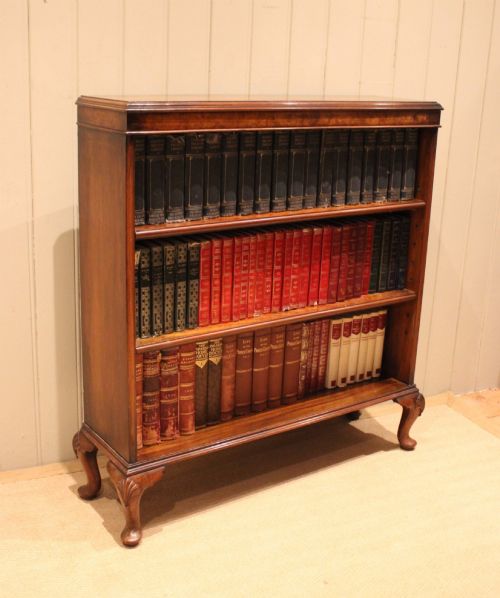
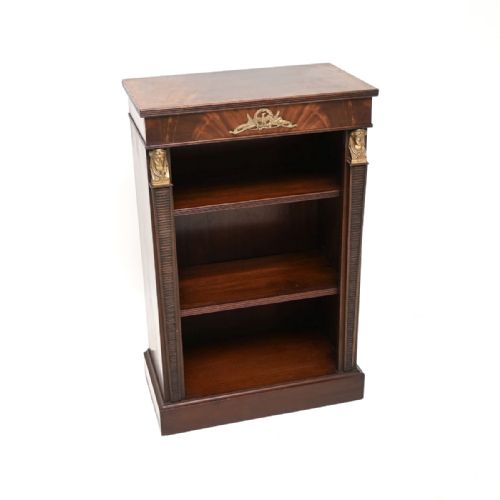
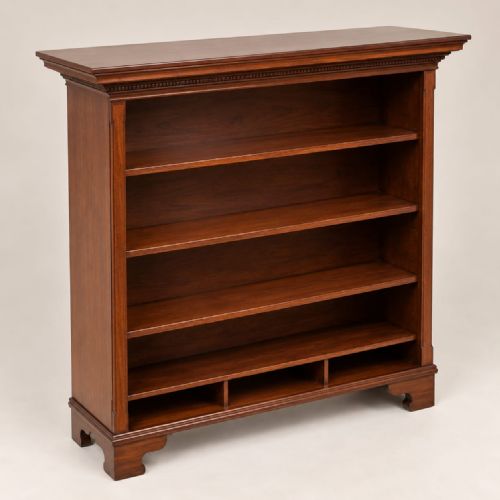
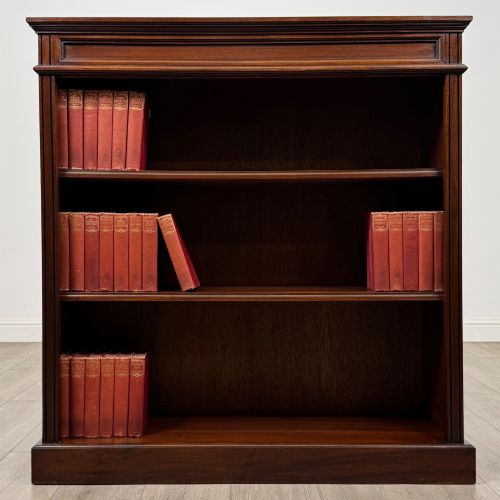
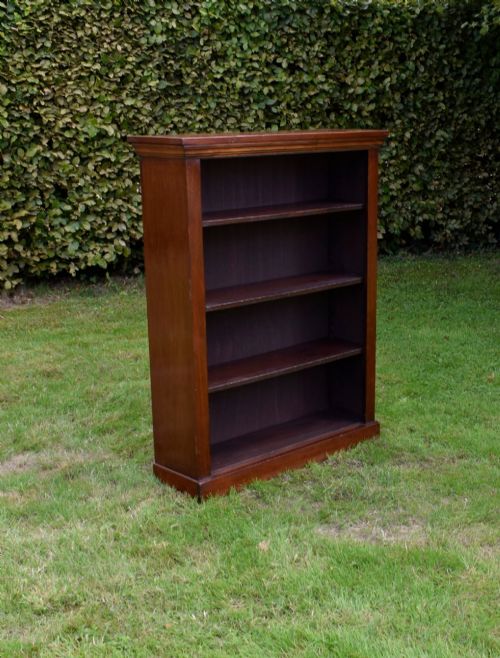
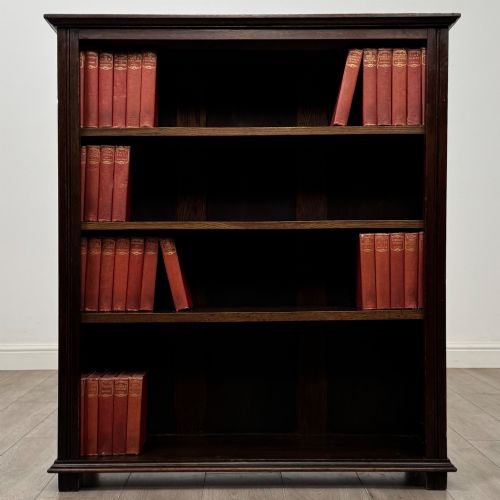
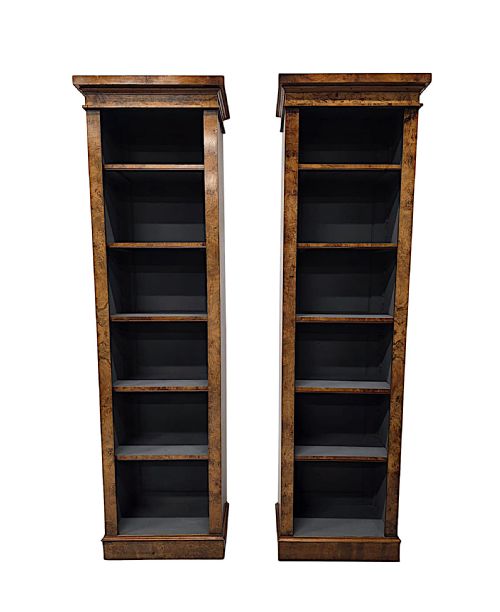
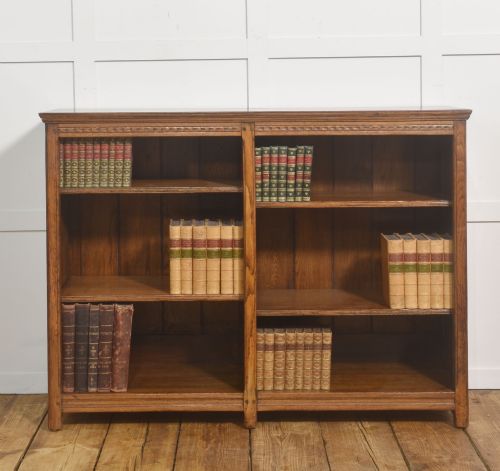
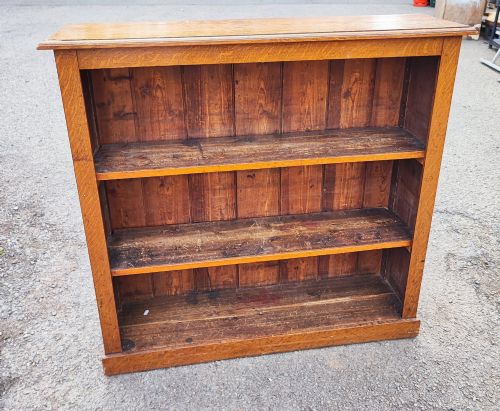
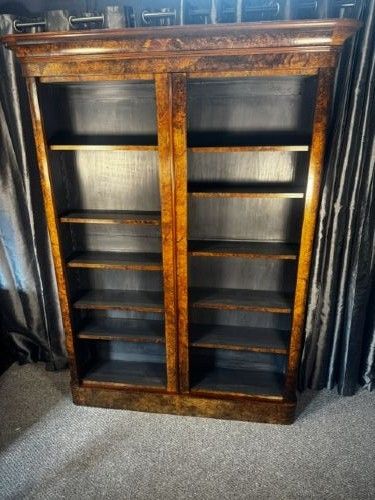
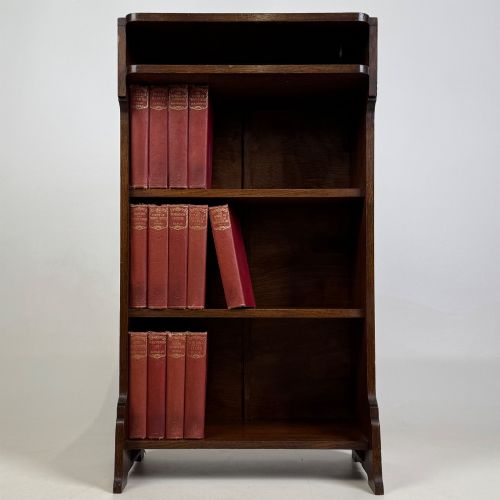
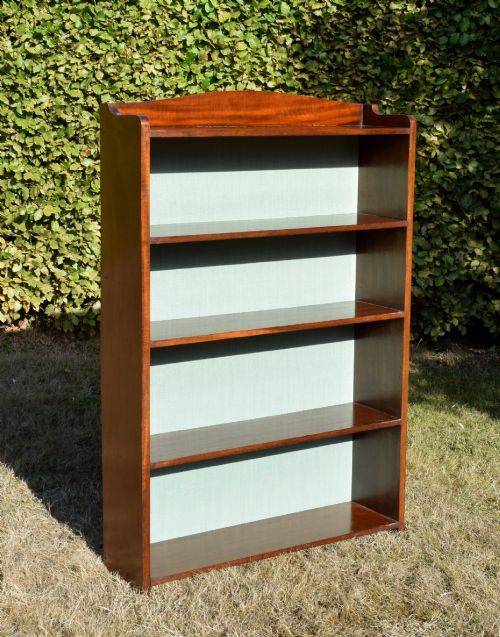
A vintage open library display brings versatile storage and architectural presence to a room through accessible, front-facing shelving. When searching for a vintage open library display, buyers encounter pieces configured as bookcases, multi-tiered what-nots, and stepped shelving units. These items range from compact Edwardian examples to substantial late Victorian and nineteenth-century furniture.
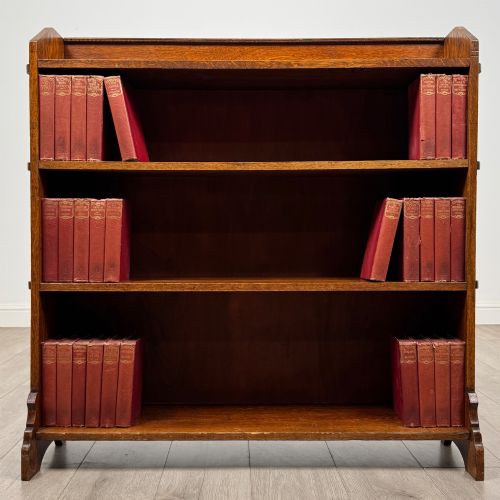
Originating in domestic and formal libraries, these items showcase stylistic influences including Queen Anne Revival, Empire, Neoclassical, and Arts and Crafts. Construction varies from simple utilitarian shelving to inlaid, decorative furniture placed in reception rooms. Buyers choose these displays for their functional capacity to hold collections while offering visual warmth.
How they were made
Makers constructed these library displays primarily using solid timbers like mahogany, oak, and walnut, frequently enhancing surfaces with walnut veneer or decorative inlay. Workshops employed traditional joinery to build sturdy frames capable of supporting heavy rows of books. Selected pieces incorporate brass hardware, such as castors on waterfall bookcase cabinets, to facilitate movement.
Carved solid wood details appear on continental library furniture, whilst domestic British pieces rely on clean grain presentation and polished finishes. Shelving mechanisms commonly utilise adjustable supports, allowing owners to alter internal heights. Fabric and glass elements appear occasionally to complement specific cabinet designs or protect contents.
Some slender waterfall bookcases manage to look simultaneously delicate and capable of holding an entire shelf of heavy Victorian novels.
What varies in quality
The grade of timber and the precision of the joinery set apart the finer library displays from utilitarian workshop output. Superior examples display carefully matched veneers, subtle inlaid details, and robust internal shelving systems that resist sagging under weight. Timber selection dictates the depth of grain pattern and the overall longevity of the frame.
Proportion and decorative restraint distinguish better-resolved pieces, where cornices, plinths, and side panels balance harmoniously. Whilst simple oak and pine pieces serve practical storage roles, finely figured mahogany and burr walnut versions command greater visual presence through superior material choice.
The Vintage Open Library Display Glossary
- What-Not
- A multi-tiered piece of furniture with open shelves designed for displaying ornaments and small books. These tiered structures often feature slender vertical supports.
- Waterfall Bookcase
- A tiered set of open shelves where each successive shelf is set back from the one below it, creating a cascading silhouette. This style gained popularity during the Regency and Victorian periods.
- Adjustable Shelves
- Shelving that can be repositioned at varying heights within a bookcase interior using movable supports or side notches. This feature accommodates books of differing vertical dimensions.
- Burr Walnut
- Timber taken from the wart or burl of a walnut tree, exhibiting intricate, swirling grain patterns. Cabinet makers utilised Burr Walnut veneer on high-status surfaces.
- Inlay
- A decorative technique where contrasting materials are inserted into recessed cavities on the wood surface. Common motifs include geometric lines or floral patterns.
Vintage Open Library Display: Frequently Asked Questions
How do I choose the right size?
Measure your available wall space and consider the height of your ceiling before selecting a display. Tall nineteenth-century pieces offer maximum vertical storage whilst Edwardian and smaller formats suit compact rooms.
Account for the depth of the shelves to ensure books and objects fit comfortably without protruding past the frame edges.
Can I adjust the shelf heights?
Many of the library displays listed feature adjustable shelves designed to accommodate varying book sizes. Traditional systems utilise side slots or movable pins to alter shelf positions.
Check individual descriptions to confirm whether the shelving is fixed or moveable in a specific bookcase.
Where should I place an open bookcase?
Position your open display against interior walls away from direct sunlight to protect timber finishes and book bindings. Studies, living rooms, and home offices provide suitable environments for daily access.
Ensure the floor surface is level so tall or heavy bookcases remain stable without relying solely on wall fixings.
What is the difference between oak and mahogany?
Oak provides a prominent, coarse grain pattern with a durable, hard-wearing structure typical of Arts and Crafts and Victorian utility furniture. Mahogany offers a finer, tighter grain with reddish-brown tones frequently associated with formal Regency and Georgian revival pieces.
Both timbers provide robust support for heavy library collections while offering distinct visual character.
How do I care for antique wood furniture?
Maintain timber surfaces by dusting regularly with a soft, dry cloth and avoiding silicone-based polishes. Apply natural beeswax occasionally to nourish the wood and preserve the traditional sheen.
Keep pieces away from direct heat sources and sudden humidity changes to prevent timber movement or veneer lifting.