


Vintage Onyx Clock Set
These vintage onyx clock set pieces bring striking mineral weight and period presence to a mantel, spanning Victorian grandeur to Art Deco lines.
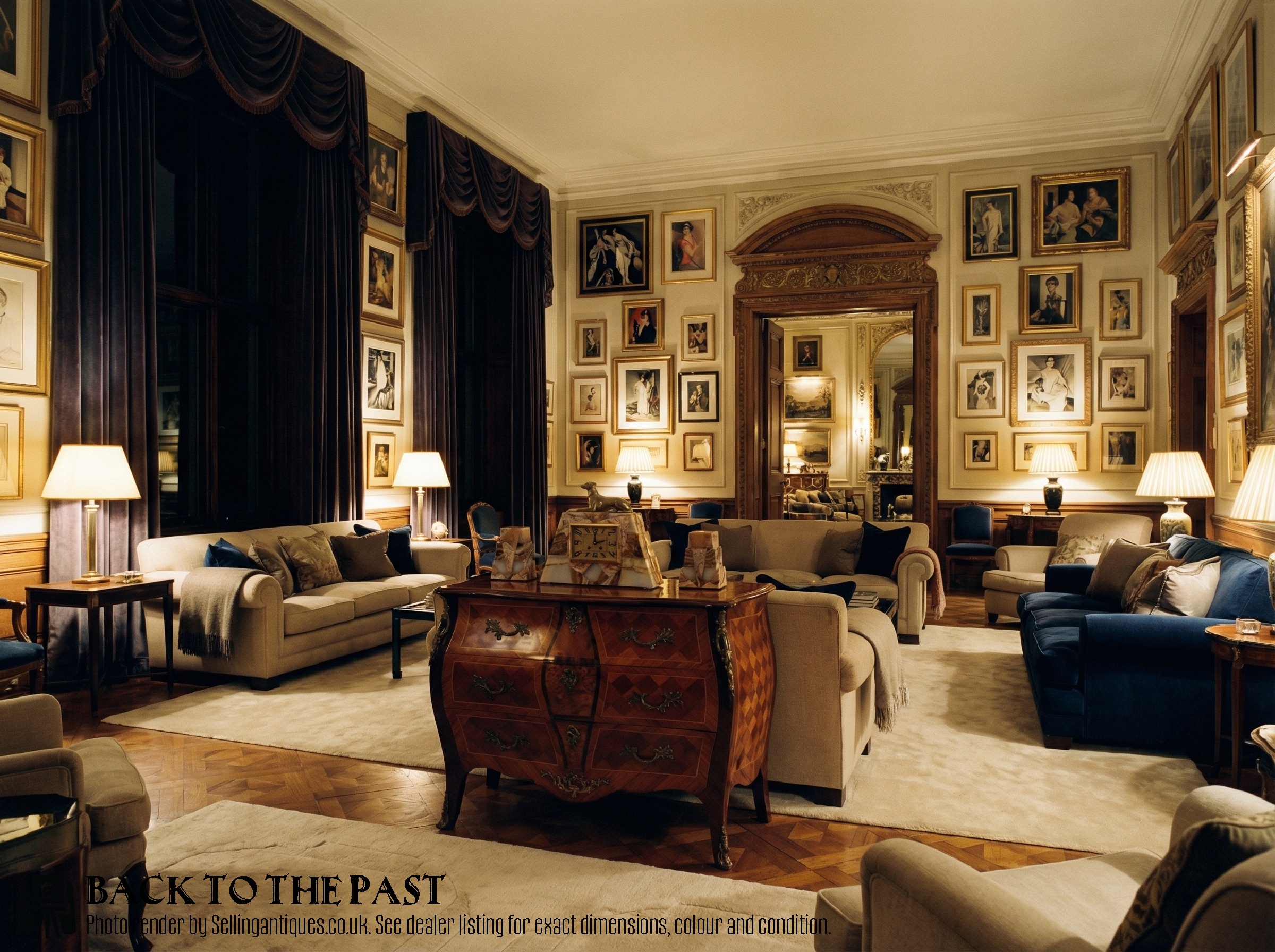
Vintage Onyx Clock Set
A vintage onyx clock set brings together a main timepiece and matching side garnitures, ornamenting a mantelpiece or desk with coordinated mineral and metal design. These groupings range from ornate Victorian and French Second Empire compositions to streamlined Art Deco silhouettes.
The versions most frequently met on this page date from the 1920s and 1930s, often displaying the geometric forms and animal sculptures typical of Art Deco design. Alongside these, earlier Victorian examples from the 1860s combine green or dark onyx with elaborate brass or ormolu mounts.
Beyond standard mantel clocks, listings for this phrase encompass functional combinations such as desk clocks paired with barometers and thermometers, or sets featuring matching side lamps. The core material remains solid stone, shaped into substantial architectural housings that anchor a room.
How they were made
Makers shaped dense blocks of natural onyx into polished housings, pairing the banded mineral with cast brass, ormolu, or spelter mounts. Glass covers protect delicate enamel dials, while chrome and metal accents appear in later twentieth-century iterations.
Art Deco examples rely on clean geometric cuts of stone combined with metal castings, sometimes incorporating sculptural figures of greyhounds or German shepherds. Victorian sets utilise elaborate ornate brass framing and contrasting marble elements to create a heavier, highly decorative finish.
Listings span the Victorian era, the Belle Epoque, and the Art Deco period, uniting onyx, brass, spelter, and glass in mantel displays.
What varies in quality
Quality rests in the harmony of the set and the crispness of the stone cutting, where sharp edges and balanced proportions distinguish finer examples from simpler assemblies. The integration of sculptural elements, such as cast metal animal figures by named sculptors, elevates the artistic ambition of the piece.
The richness of the onyx grain and the weight of the surrounding brass or ormolu mounts dictate the overall presence of the garniture. Sets that retain matching side pieces with uniform patination show greater integrity than those assembled from mismatched components over time.
Michel Decoux
The Vintage Onyx Clock Set Glossary
- Onyx
- A variety of chalcedony with parallel bands, utilised for its smooth, polished finish and varied natural green or brown tones.
- Garniture
- A set of ornamental objects designed to match and display together on a mantelpiece, typically comprising a central clock and two side pieces.
- Ormolu
- Gilded bronze or brass mounts applied to furniture and clock cases, providing decorative metallic contrast against the stone body.
- Spelter
- A zinc alloy commonly cast into decorative figures and mounts, often painted or bronzed to resemble heavier metals.
- Enamel
- A glassy substance fused to the dial face to create a smooth, white background for painted clock numerals.
Vintage Onyx Clock Set: Frequently Asked Questions
What is a clock garniture?
A clock garniture is a matched set consisting of a central mantel clock accompanied by two side ornaments, such as vases, urns, or candelabra.
These sets were designed to create a balanced decorative display across a mantelpiece or sideboard during the Victorian and Art Deco periods.
How do I style an onyx clock set?
Place the central clock on a stable mantelpiece or heavy sideboard, positioning the matching garnitures symmetrically on either side to maintain the intended visual balance.
Because of the natural weight of the stone and metal, ensure the supporting surface is sturdy enough to bear the load safely.
How do I tell Victorian from Art Deco sets?
Victorian sets from the 1860s typically feature ornate brass mounts, rich green onyx, and classical architectural details influenced by French Second Empire styles.
Art Deco sets from the 1920s and 1930s lean towards streamlined geometric stone cuts, often incorporating chrome accents or stylised animal sculptures.
Did these sets include other instruments?
Some multi-piece sets integrate barometers and thermometers alongside the primary timepiece into a single stone housing for desk or mantel use.
These combined desk instruments offered practical meteorological readings within the same polished mineral framework.