




Vintage Oil Wall Art
Vintage oil wall art brings centuries of layered pigment and brushwork into domestic spaces, offering everything from quiet floral still lifes to dramatic marine canvases.
Vintage Oil Wall Art
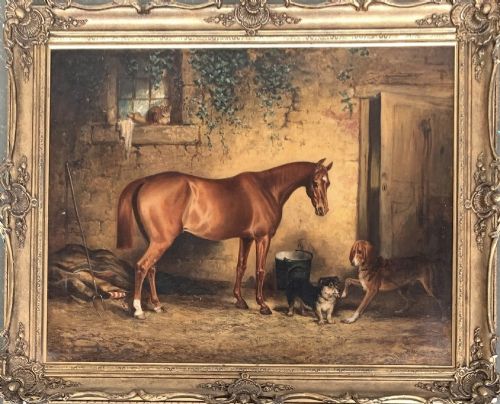
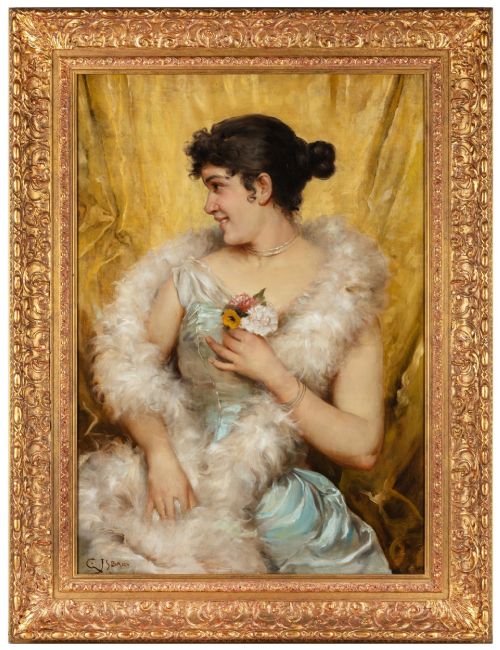
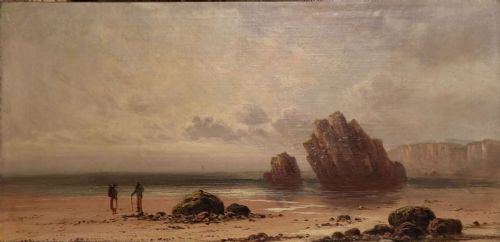
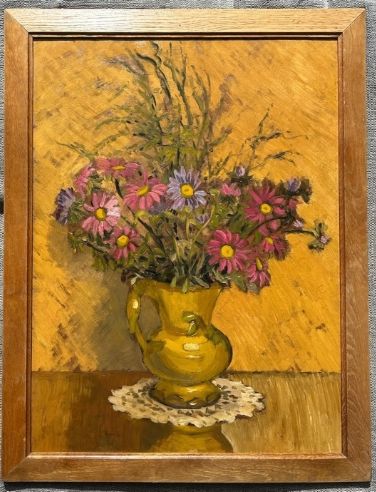
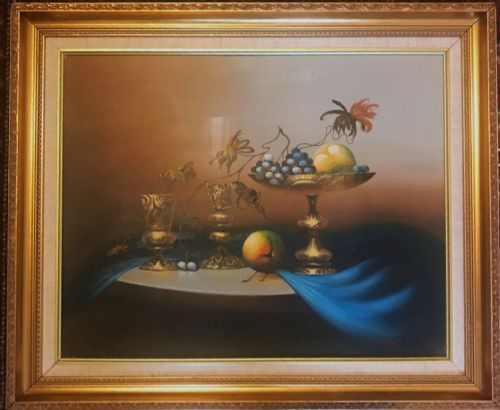
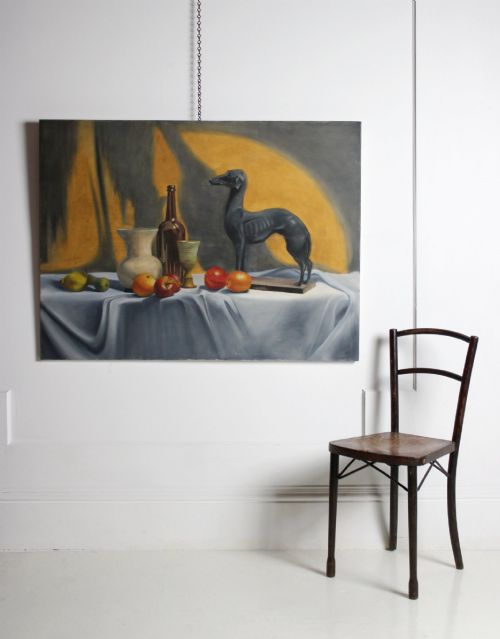
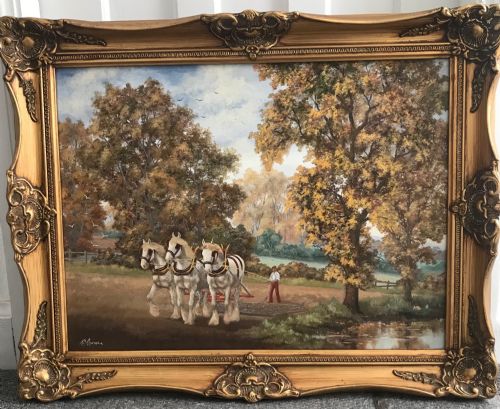
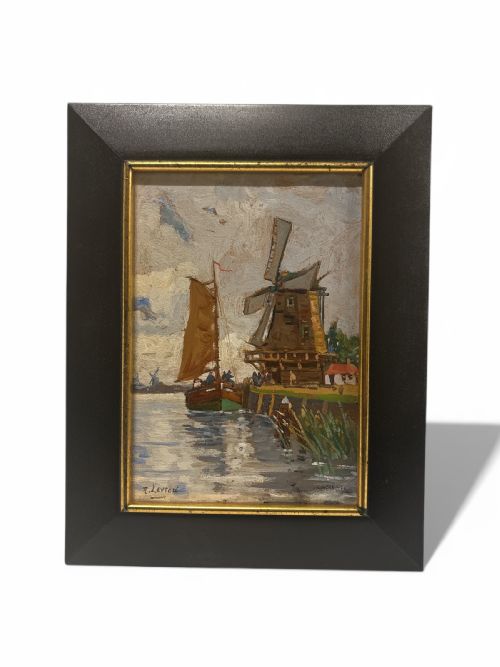
When searching for vintage oil wall art, buyers encounter painted works executed on canvas, board, and wood panel across the eighteenth, nineteenth, and twentieth centuries. The selection spans distinct genres including maritime scenes, equestrian portraits, botanical still lifes, and rural landscapes.
The most common examples on this page date from the Edwardian era through the mid-twentieth century, featuring signed British and European works. These pieces range from intimate floral studies to larger topographical coastal views housed within period frames.
Materials and construction
These works rely primarily on oil paint applied to woven canvas, rigid wood panels, or pressed boards using traditional brush and palette knife techniques. Pigments build up in layers, sometimes showing visible impasto texture that catches the light across the surface.
Many of these paintings retain their original wooden housings, including gilt gesso frames that complement the depth of the pigment. Support structures utilise stretchers or direct panel mounts suited to the era of creation.
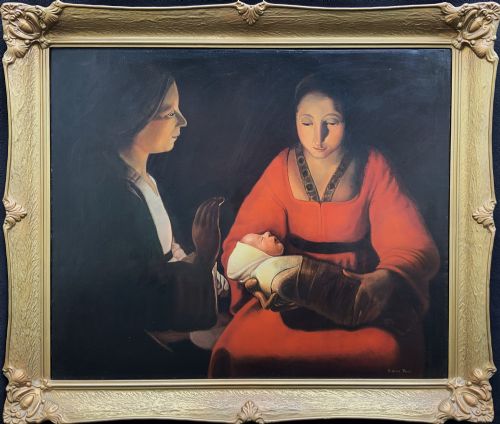
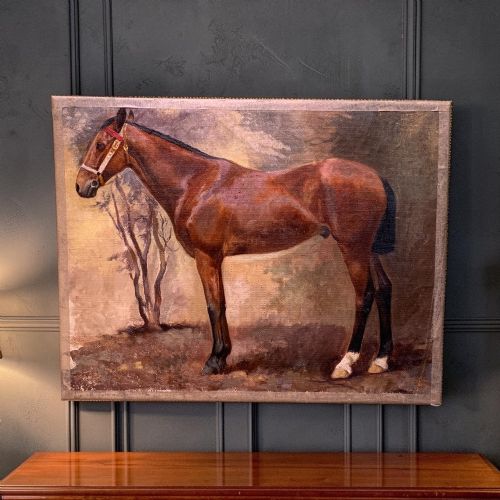
Subjects represented across the available pieces range from marine landscapes and equestrian studies to still life flowers and portraits.
Distinctions in quality
Quality rests in the surety of the brushwork and the artist's command of light, shadow, and proportion within the composition. Stronger pieces demonstrate confident handling of perspective and atmosphere, whether capturing a wind-swept coastal seascape or a detailed floral arrangement.
The harmony between the canvas and its period frame also influences the overall standard of a piece. Original gilt gesso surrounds that match the age and scale of the painting elevate the presentation considerably.
Kenneth Cozens·Tom Campbell·William H Myers·George Houston·Herbert Royle
The Vintage Oil Wall Art Glossary
- Impasto
- A technique where paint is laid onto a surface in thick layers that stand out visibly. This method adds tactile three-dimensional quality and texture to the surface of a painting.
- Gesso
- A plaster-like mixture used as a base for paint or applied to wood mouldings. It provides a smooth surface for gilding on traditional picture frames.
- En plein air
- The act of painting outdoors to capture direct natural light and atmosphere. Artists working this way complete their compositions in the open landscape.
- Canvas
- A heavy woven fabric used as a surface for oil painting. It is typically stretched tightly across a wooden frame before work begins.
- Board
- A rigid flat support material used instead of stretched canvas. Painters often utilised wood or composition boards for smaller studies and landscape panels.
Vintage Oil Wall Art: Frequently Asked Questions
How do I hang a heavy oil painting?
Heavy oil paintings require sturdy wall fixings anchored directly into masonry or wall studs rather than standard plaster plugs. Utilising robust picture wire and appropriate wall hooks ensures the weight distributes evenly.
Position the centre of the canvas at eye level to achieve the correct visual balance in a room. Ensure the wall location avoids direct heat sources and strong moisture fluctuations.
How do I date an oil painting?
Dating relies on examining the stretcher frames, canvas weave, nail types, and any inscriptions or signatures on the reverse of the work. Style and costume details within portraits or landscapes also offer clear chronological clues.
Comparing brushwork and framing materials against documented examples from specific periods helps narrow down the decade of creation.
What lighting suits vintage oil art?
Warm, indirect lighting highlights the texture of oil paint without causing glare on the varnished surface. LED picture lights fitted with UV filters protect the pigments from fading over time.
Avoid placing these artworks in direct sunlight, as prolonged exposure degrades both the canvas fibres and the oil colours.