


Vintage Oil Painting
A vintage oil painting brings history, texture and character directly to your walls, connecting you with past artists and subjects.
Vintage Oil Painting
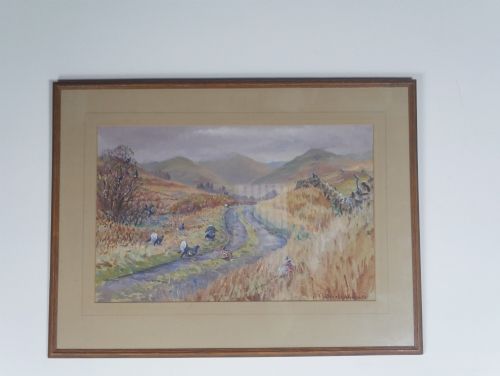
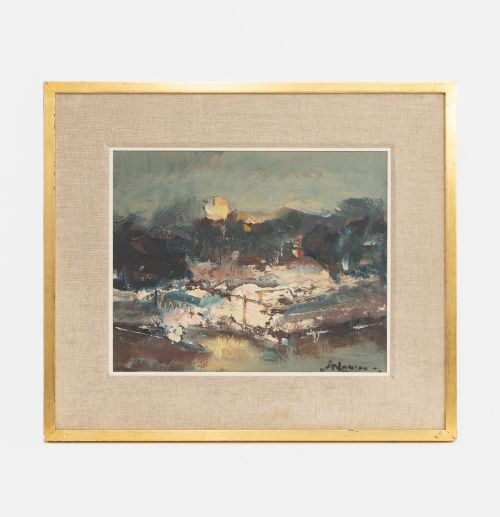
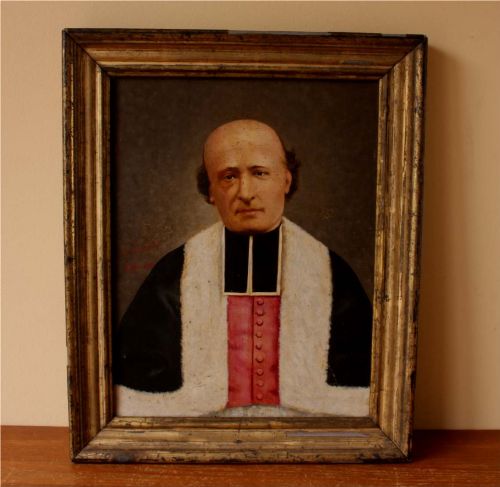
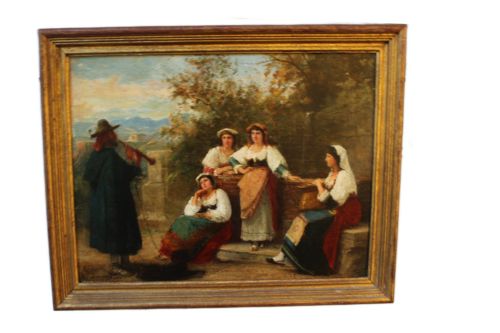
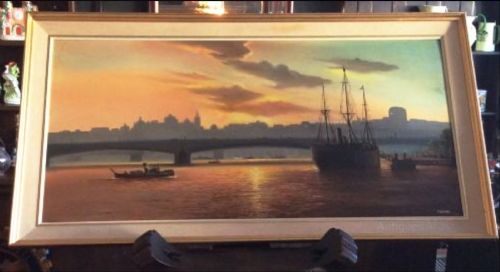
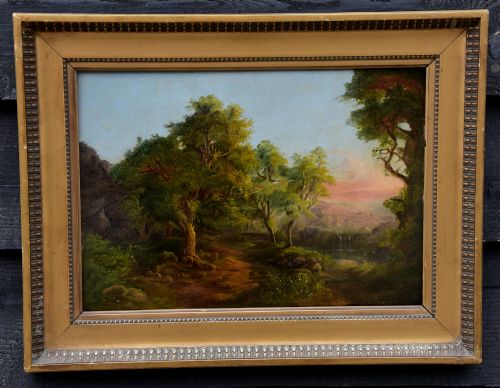
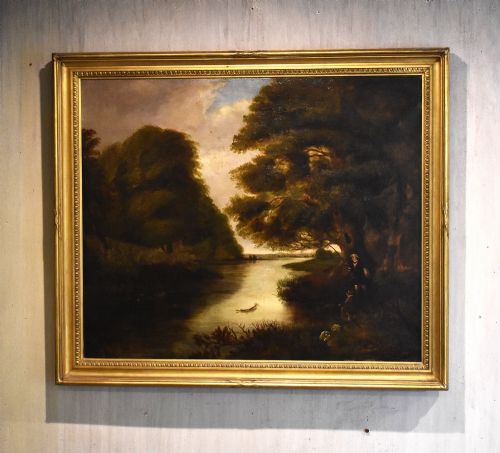
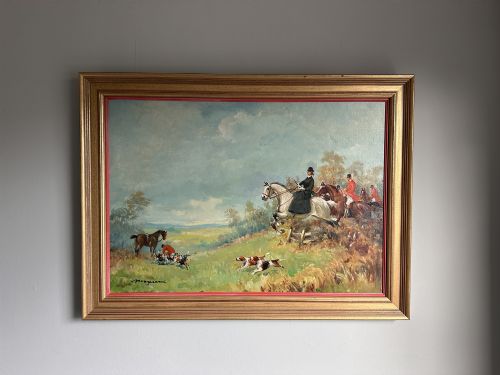
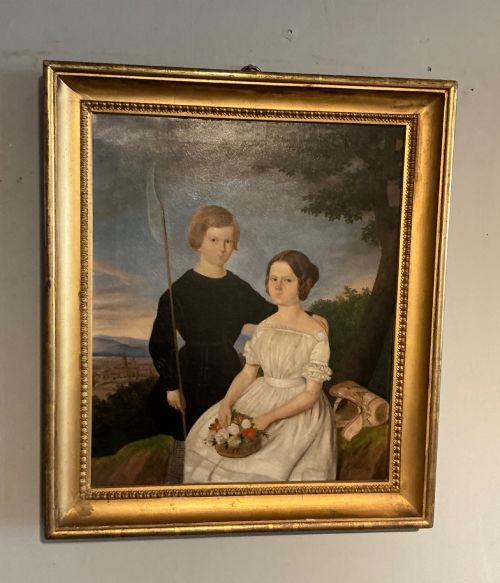
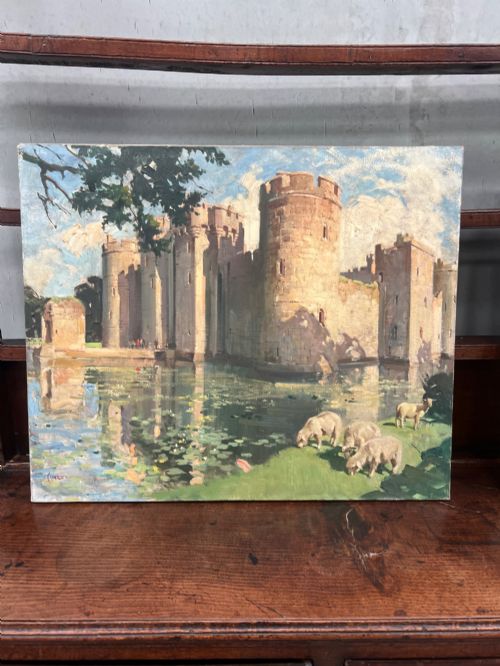
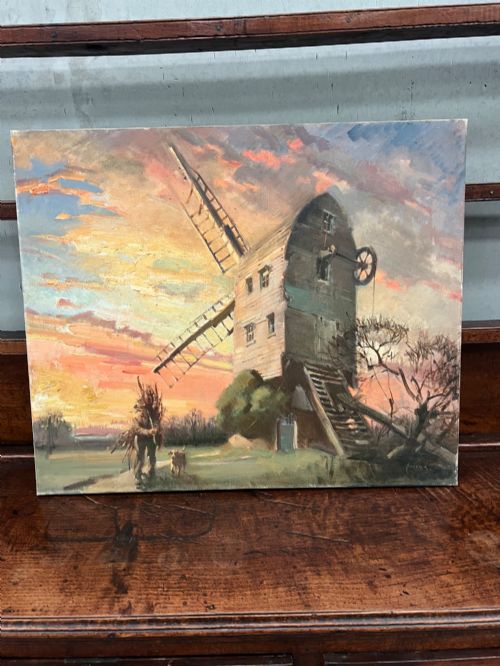
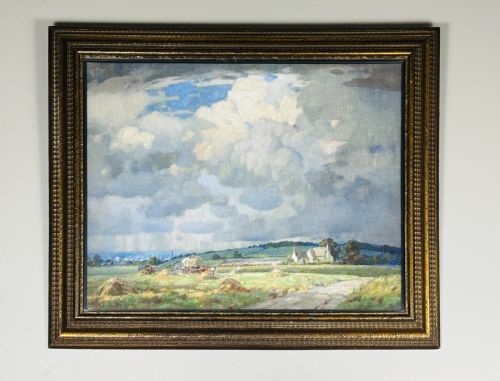
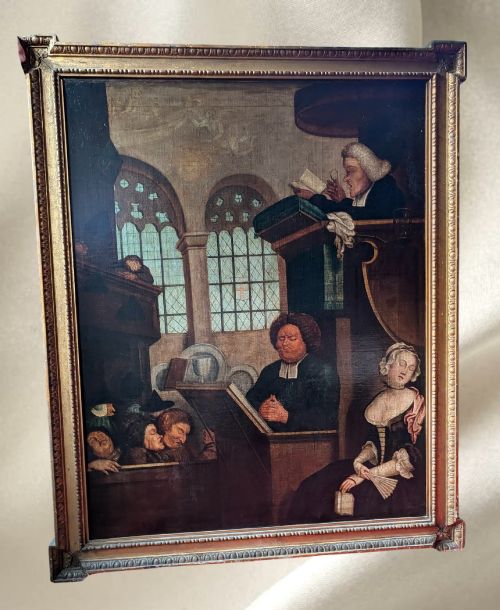
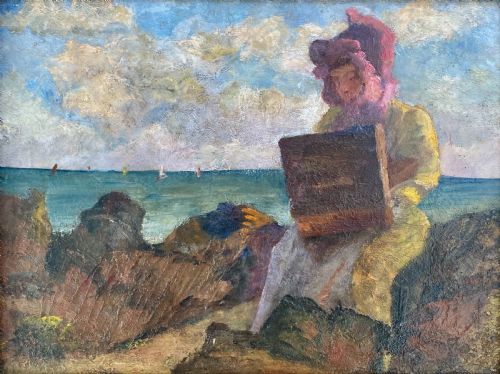
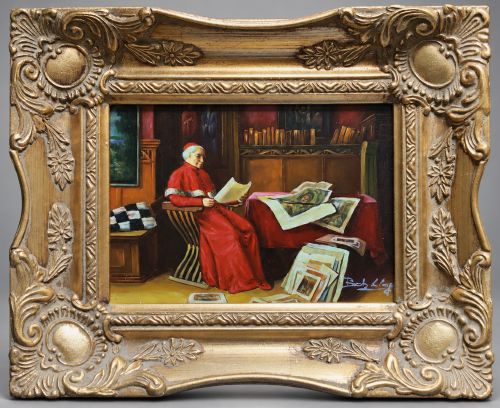
When searching for a vintage oil painting, collectors encounter diverse subjects spanning portraiture, landscapes, marine scenes and still life arrangements. These works capture the changing aesthetic movements of the nineteenth and twentieth centuries.
The pieces available range from detailed Victorian fine art to mid-century modern interpretations and impressionist coastal views. Buyers frequently find works executed on canvas, wood panels, board and stiff card.
Origins stretch across British, French, Dutch and Italian schools, reflecting regional traditions in portraiture and landscape recording. Many carry signatures or attributions to named painters from the period.
What Varies in Quality
Quality rests in the confidence of the brushwork, the handling of light and shadow, and the proportions of the composition. Skilled artists capture anatomical accuracy in portraits and convincing atmospheric depth in landscapes.
The choice and preservation of the original support and frame also influence the overall standard. Works that retain their original impasto texture and stable pigment layers represent higher artistic execution.
Vintage Oil Painting Retail Price Guide 2026
Typical asking prices for vintage oil painting among the pieces listed under this phrase on Sellingantiques today, from the lower quarter to the upper quarter. They describe what is for sale here now, not the wider market.
Listings feature works spanning the seventeenth to the mid-twentieth century, executed in oil on canvas, wood, board, and card.
Henry Barraud·George Armfield·Kenneth Cozens·Jozsef Molnar·Bernard Hailstone·R Leyton·Tom Campbell·Dumini Leopoldo·Clifford Hanney·Frederick Marriott·I Berezny·Eugène-Louis Gillot·Robert Heinrich·William McAlpine·Reginald Arthur Borstel·William Joseph Shayer Senior·Alfred Fontville de Breanski Jr·Erwin Leopold Pohl·Andrew Kurtis·Albert E Jackson·Percy Hipkiss·William H Barnes·W Matthews·Walter C Horsnell·Gordon Clifford Barlow
The Vintage Oil Painting Glossary
- Impasto
- Paint applied thickly to a canvas or board, leaving prominent brush or knife marks that stand out from the surface. This technique adds tactile depth and catches light across the composition.
- Canvas
- A closely woven fabric stretched across a wooden frame to serve as a painting surface. It provides flexible tension and a textured ground for oil pigments.
- Board
- A rigid wooden or fibrous sheet utilised as an alternative to stretched fabric for supporting oil paint. It offers a stable, flat plane resistant to sagging.
- Provenance
- The documented history and ownership lineage of an artwork. It establishes authenticity and connects the piece to past collections or exhibitions.
- Attribution
- An expert assessment suggesting who created a work when a signature is missing or unclear. It relies on stylistic comparison with known pieces by the artist.
Vintage Oil Painting: Frequently Asked Questions
How do I date a vintage oil painting?
Dating relies on examining the stretcher frames, canvas type, backing materials, and stylistic cues within the imagery. Signatures, inscriptions, and labels on the reverse often provide specific years or artist activity periods.
Analysing the framing style and pigments can also narrow down the decade of creation. Comparing the work to documented pieces by the same painter secures a tighter timeframe.
Where should I hang an oil painting?
Select a wall away from direct sunlight and excessive moisture to protect the oil pigments and canvas support. Stable indoor temperatures prevent warping in wooden panels and cracking in thick paint layers.
Positioning the artwork at eye level enhances viewing appreciation in living spaces, studies, or hallways. Adequate indirect lighting highlights the texture and depth of the brushwork.
How do I clean an old painting?
Dust accumulation should be gently removed using a very soft, dry brush without applying pressure to the painted surface. Avoid using water, household cleaners, or chemical solvents on the delicate oil layers.
Professional conservators should handle deeper cleaning or varnish removal to prevent damaging the original pigment. Regular inspection helps monitor the condition of the canvas and frame.
What is the difference between canvas and board?
Canvas consists of woven fabric stretched tightly over a wooden framework, providing slight elasticity and a textured weave. Board offers a rigid, solid backing made of wood or compressed fibres that requires no tension.
Artists chose canvas for larger works and flexibility during transport, while board provided a firm, stable foundation. Both materials were widely utilised across the nineteenth and twentieth centuries.