


Vintage Officer Portrait
A vintage officer portrait captures military history on canvas or paper, offering buyers a direct connection to past commanders and conflicts through fine art.
Vintage Officer Portrait
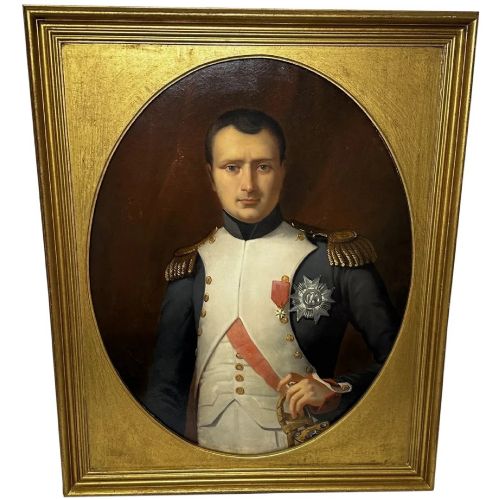
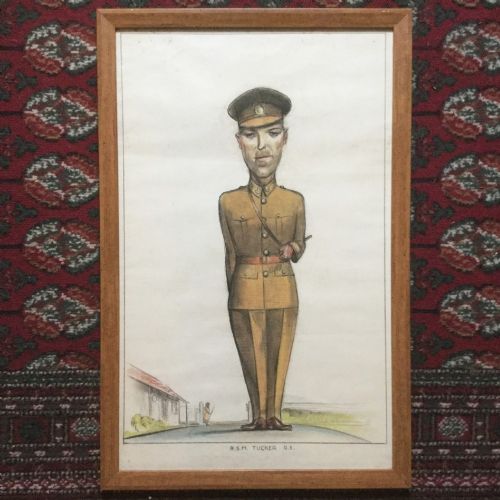
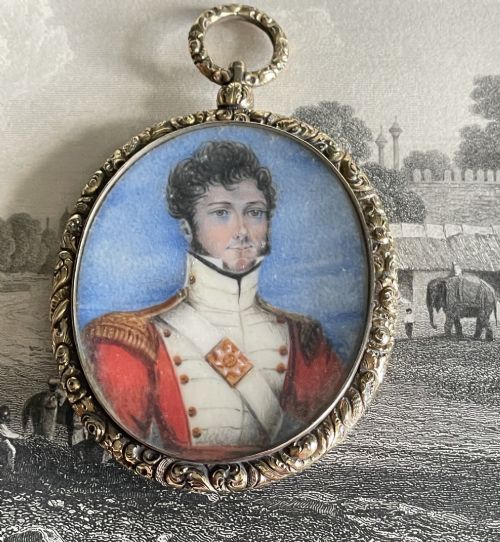
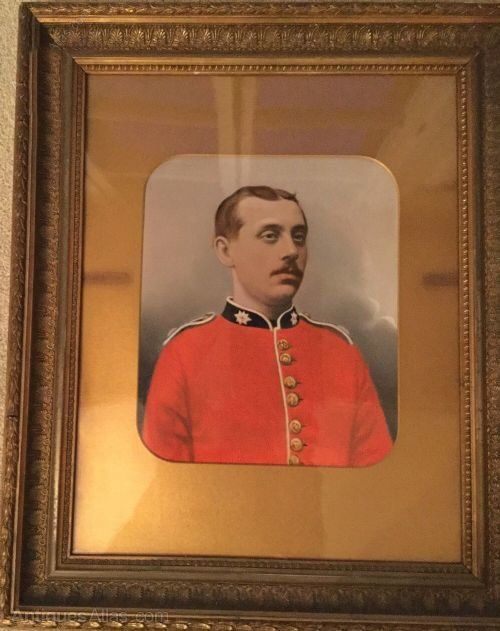
A vintage officer portrait depicts military personnel ranging from naval captains to army generals across several centuries. Buyers searching for a vintage officer portrait encounter works spanning the eighteenth century through the mid twentieth century, featuring subjects in full uniform or formal dress.
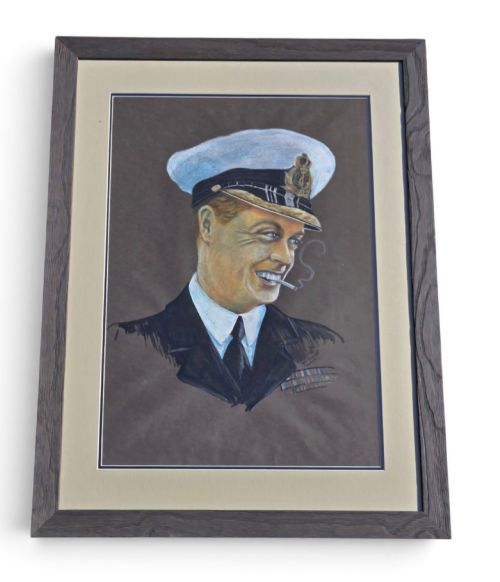
The selections on this page include oil paintings, pastels, watercolours, and engravings originating from various British, European, and Anglo-Indian contexts. Many pieces identify specific historical figures, including royalty, decorated commanders, and regiment members.
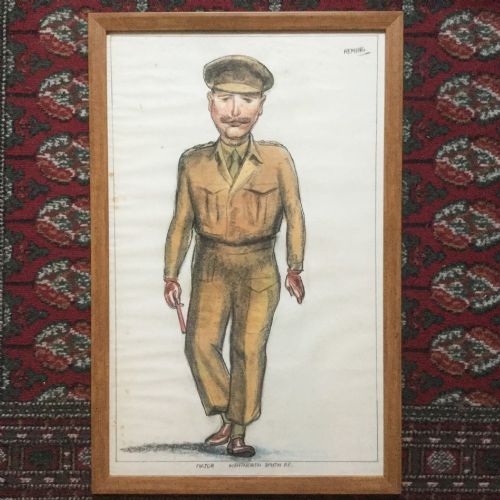
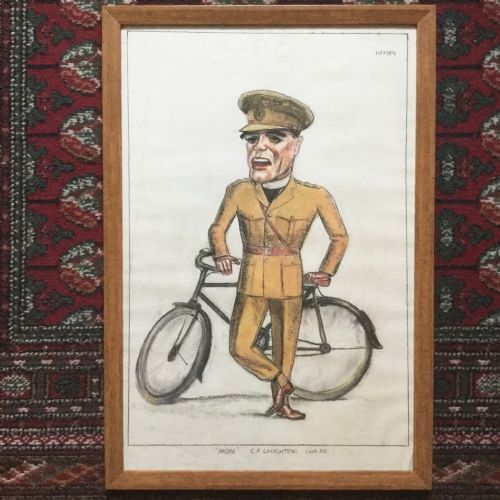
Framed artwork and wall pieces dominate the category, offering distinct representations of military rank and service. These items range from wartime sketches executed during active service to formal commemorative portraits produced by recognised artists.
Materials and execution
Artists relied primarily on oil paint applied to canvas or wood panels for formal commissions, achieving depth and durability. Pastels and gouache appeared frequently for wartime sketches and rapid studies, offering immediate colour and texture on paper supports.
Watercolours and engravings provided alternative mediums for naval and military subjects, particularly during the eighteenth and nineteenth centuries. Glazing and wooden framing protected these delicate paper and canvas surfaces from environmental damage over time.
One major general managed to look entirely unbothered by history while posing with his favourite wartime pipe.
Assessing quality
The standard of a vintage officer portrait depends on the precision of the uniform details and the psychological depth of the subject's expression. Master works capture individual likeness alongside accurate regimental insignia, whereas lesser examples produce generic figures in standard attire.
The reputation of the artist and the documentation associated with the sitter heavily influence the standing of each piece. Signed works by established painters command greater attention than anonymous sketches, particularly when historical records verify the subject's identity.
Herskind·G Hindle·Aubrey Sykes RA·John Laviers Wheatley·Ruth Cecil Latter·Leslie Moore·Maurice Codner·Richard Hall
The Vintage Officer Portrait Glossary
- Pastel
- A medium consisting of powdered pigment and a binder, rolled into sticks for drawing. It creates a velvety texture that requires glass protection.
- Gouache
- An opaque water-based paint that dries to a matte finish. Artists used this alongside pastel for wartime sketches to add solid highlights.
- Regiment
- A permanent unit of an army commanded by a colonel. Portraits often record specific regimental uniforms to identify the wearer's allegiance.
- Engraving
- A printmaking process where an artist cuts lines into a metal plate to hold ink. This technique allowed the mass production of military portraits before photography.
Vintage Officer Portrait: Frequently Asked Questions
How do I identify the rank in a military portrait?
Uniforms display specific insignia, cap badges, and sleeve lace that denote the exact rank of the officer. Researching the historical regiment helps clarify the sitter's position.
Collar patches and shoulder boards also provide definitive clues to whether the subject served in the army, navy, or specialised engineering corps.
Are wartime sketches less formal than oil paintings?
Wartime sketches executed in pastel or gouache on paper capture immediate, on-the-ground likenesses during active service. They lack the rigid formality of large studio oil commissions.
These rapid drawings often carry more personal immediacy, recording officers as they appeared during campaigns rather than in ceremonial poses.
How should I display framed paper artwork safely?
Works on paper require protection from direct sunlight to prevent the fading of pastels, watercolours, and gouache pigments. Acid-free mounts prevent chemical damage over decades.
Keep these pieces away from damp environments like unheated exterior walls to protect the paper substrate and wooden frames.
Can I trust the identity of unnamed sitters?
Unidentified subjects appear frequently in historical military art when records fail to survive generations of descent. Uniform details often narrow down the regiment and approximate era.
Inscripions on the reverse of the canvas or frame occasionally offer clues, though verification requires corroboration from military archives.