
Vintage Office File Storage
Vintage office file storage brings together heavy timber and metal mechanisms designed to keep paperwork in order.

Vintage Office File Storage
Vintage office file storage encompasses sturdy timber filing cabinets, banks of drawers, and modular cabinets built to manage paperwork in workspaces. When searching for vintage office file storage, buyers encounter practical organizational furniture originating from the Victorian, Edwardian, and mid-century eras.
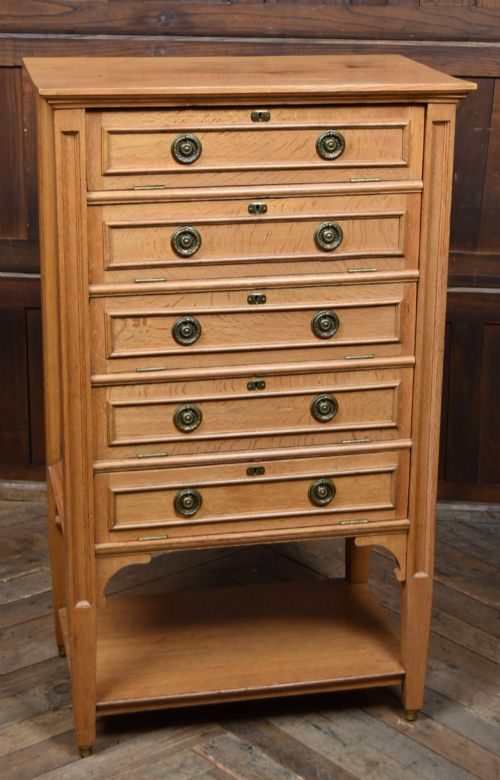
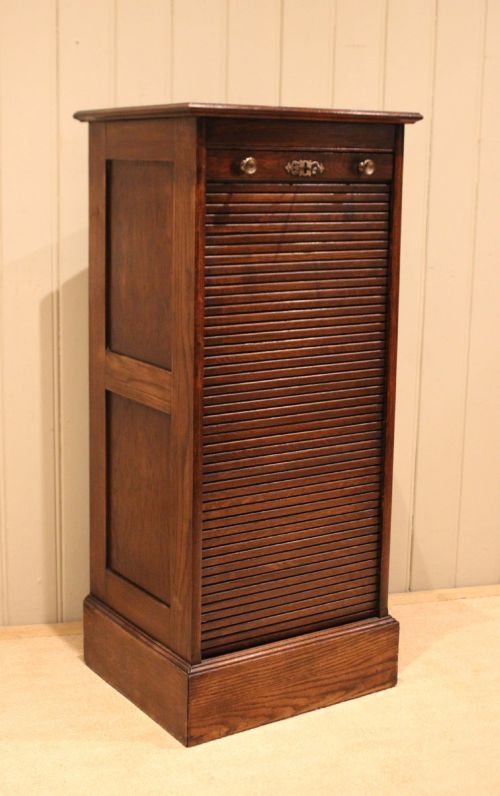
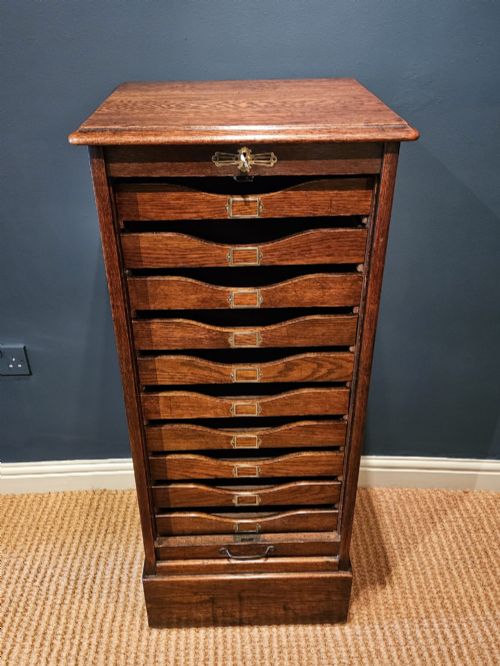
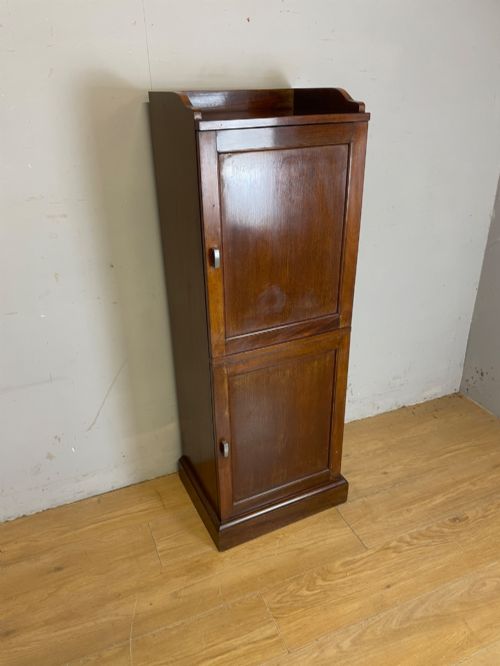
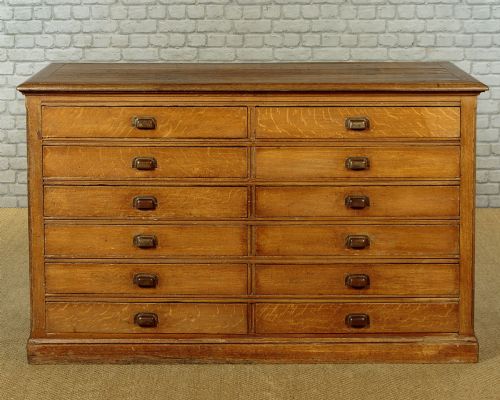
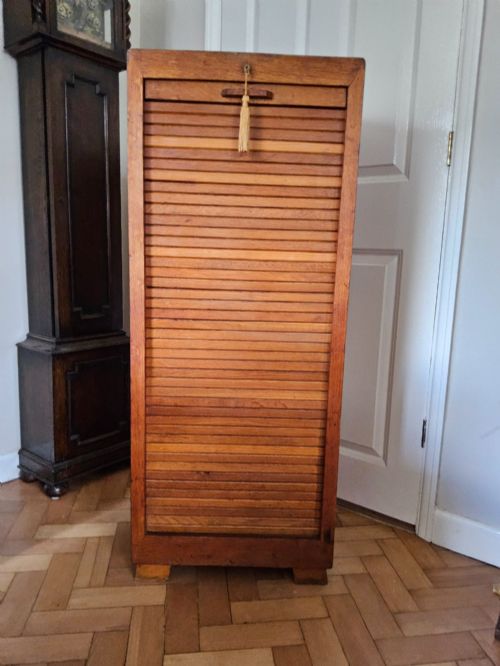
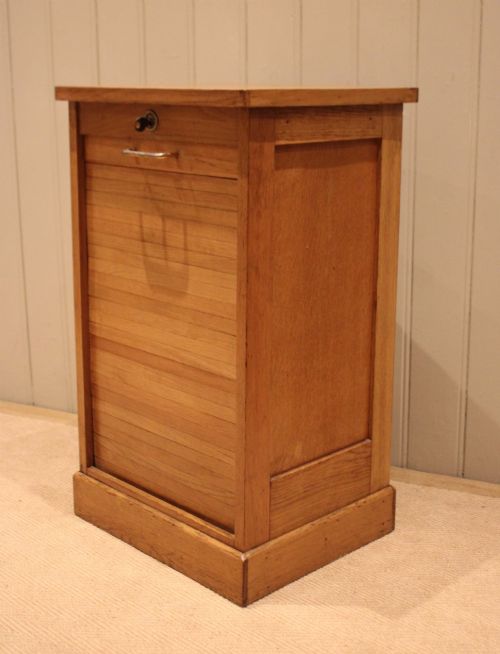
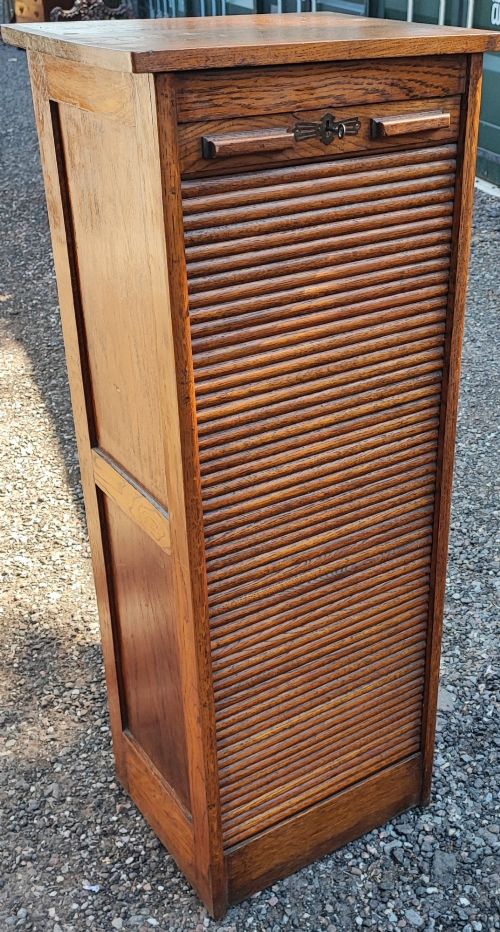
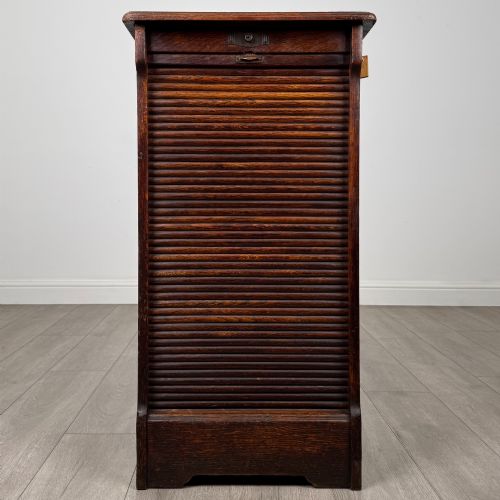
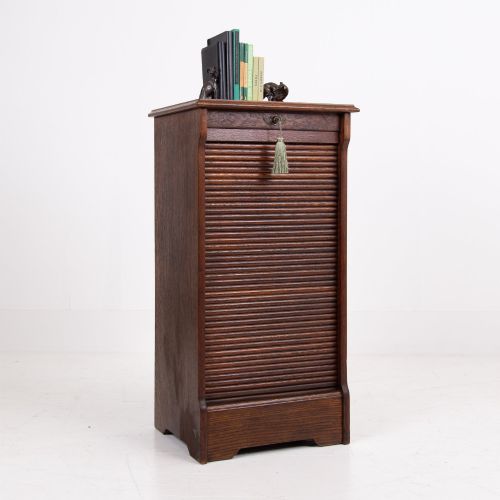
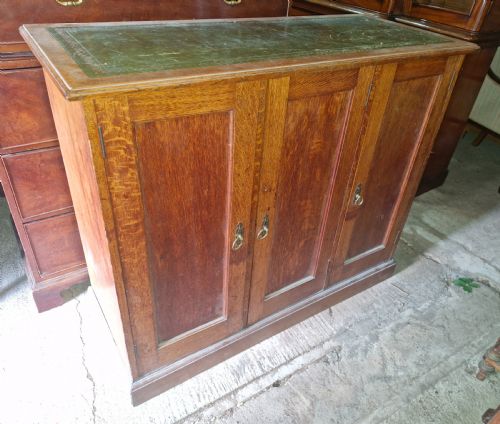
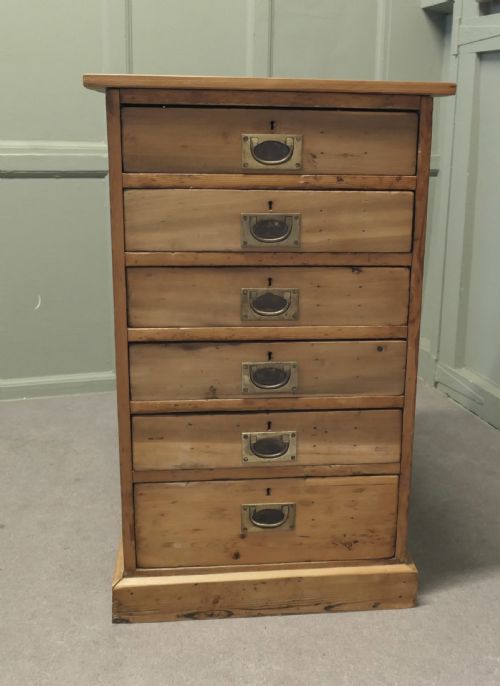
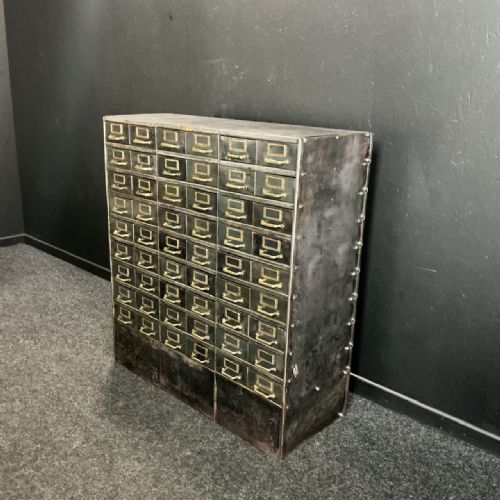
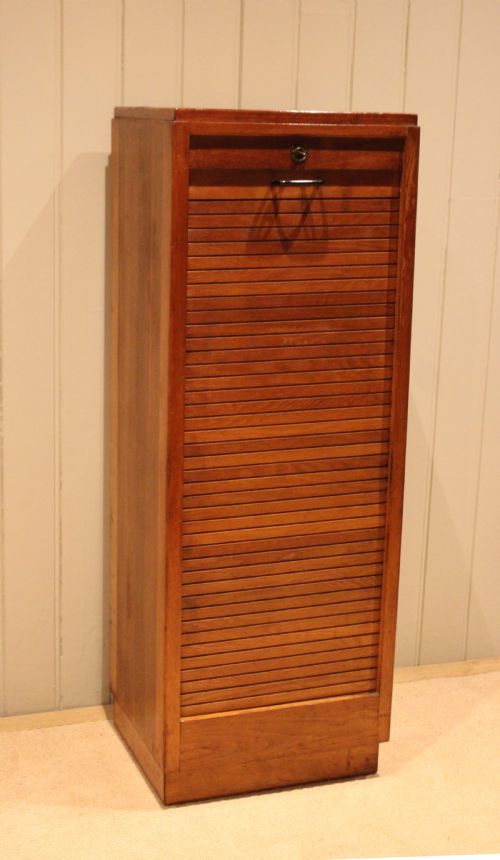
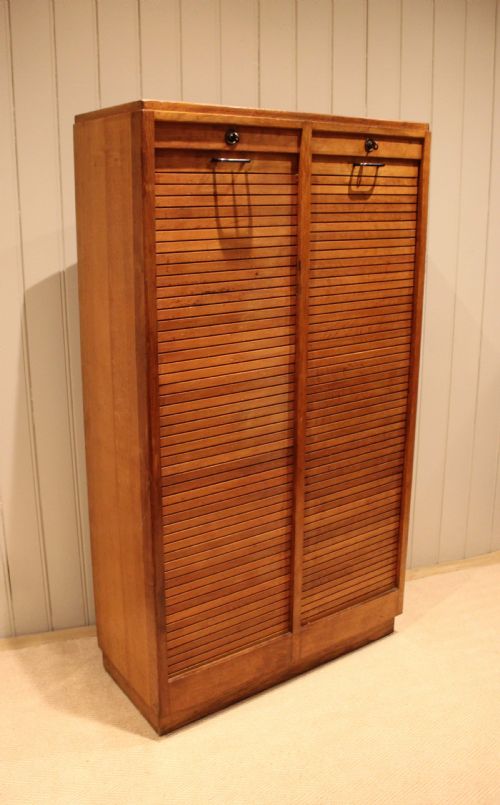
The most common forms on this page include oak and mahogany filing cabinets featuring flexible tambour doors, alongside industrial banks of drawers and shallow pine units. These pieces range from single-column roll-top cabinets to multi-drawer workshop chests designed for heavy daily sorting.
Origins stretch from English workshops to French provincial post offices, spanning styles from industrial utility to polished Edwardian office furniture. Each format reflects the specific sorting needs of past clerical work, utilising dedicated compartments for letters, ledgers, and files.
Materials and Construction
Makers relied heavily on solid oak, mahogany, and pine for carcass construction, pairing dense timbers with durable steel and brass hardware. Tambour cabinets utilised flexible wooden slats running in recessed tracks to conceal interior pigeonholes and shelves smoothly.
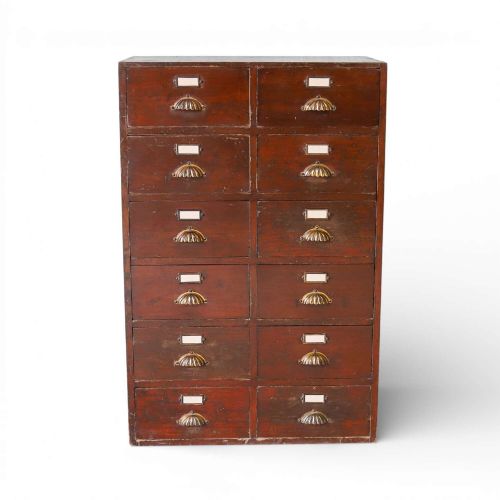
Drawer assemblies frequently incorporated hand-cut joinery to withstand heavy loads of paper, fitted with cast brass pull handles and integrated label holders. Secondary metals appeared in industrial items, where steel frames and hardware provided robust support for intensive workshop use.
Recorded periods span from the 19th century through the Edwardian era up to the 1940s and 1960s utility decades.
Evaluating the Pieces
Distinction across the range rests on the integrity of sliding mechanisms and the choice of primary timber. Oak and mahogany units with smoothly operating tambour doors represent higher tiers of craftsmanship compared to basic utility pine boxes.
Original hardware, such as cast brass shell pulls and legible label holders, elevates a piece significantly. Retaining the factory-fitted interior partitions and keys demonstrates careful preservation over decades of clerical use.
The Vintage Office File Storage Glossary
- Tambour
- A flexible door constructed from narrow strips of wood glued to canvas or leather backing, allowing it to slide around a curved track. This clever mechanism conceals contents without requiring clearance for swinging doors in cramped offices.
- Bank of Drawers
- A multi-tiered chest containing numerous shallow or deep drawers arranged in vertical columns. These units were standard in workshops and offices for sorting large volumes of small documents.
- Cartonniere
- A freestanding desktop or cabinet filing structure containing pigeonholes or compartments for papers. Originating in France, these leather-accented pieces held individual cartons or files.
- Plan Chest
- A wide, shallow set of drawers designed originally for architectural drawings and maps. They provide flat storage across expansive surfaces.
- Shell Pull
- A stamped metal or cast brass handle shaped like a seashell that incorporates a slot for a paper label. They allow users to identify drawer contents at a glance.
Vintage Office File Storage: Frequently Asked Questions
How do I use vintage filing cabinets today?
These pieces fit easily into modern studies or living rooms to store stationery, paperwork, or electronics. The deep drawers and shelving compartments organise contemporary clutter while adding period character to a room.
Many styles function well as sideboards or hallway storage units alongside their original office purpose.
Are these cabinets made of solid wood?
The listings show predominantly solid timbers such as oak, mahogany, pine, and teak. Construction relied on durable woods to endure heavy loads of business ledgers and correspondence.
Occasional industrial pieces integrate steel frames and canvas components alongside timber elements.
How do I date a wooden filing cabinet?
Dating relies on identifying stylistic markers, timber choices, and hardware types characteristic of periods like the Edwardian era or the 1910s and 1920s. Brass shell pulls, patent plaques, and construction methods offer clear clues to manufacturing decades.
Victorian pieces lean toward heavier mahogany with military brass mounts, while 1930s examples often display plainer oak utility surfaces.