



Vintage Occasional Set
A vintage occasional set brings versatile tiered table groups and matched seating into a room, offering adaptable surfaces and period charm.
Vintage Occasional Set
When buyers search for a vintage occasional set, they encounter grouped nesting tables and coordinated salon or side chairs spanning the nineteenth century through the mid-twentieth century. These multi-piece groups provide functional flexibility for entertaining while maintaining a cohesive aesthetic across domestic spaces.
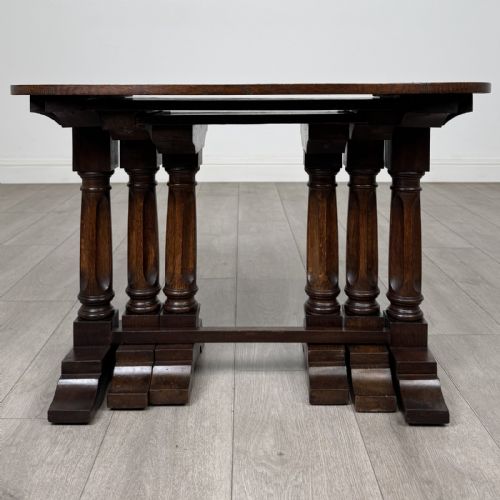
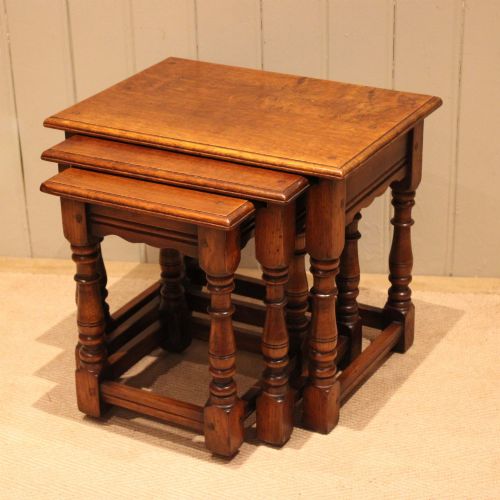
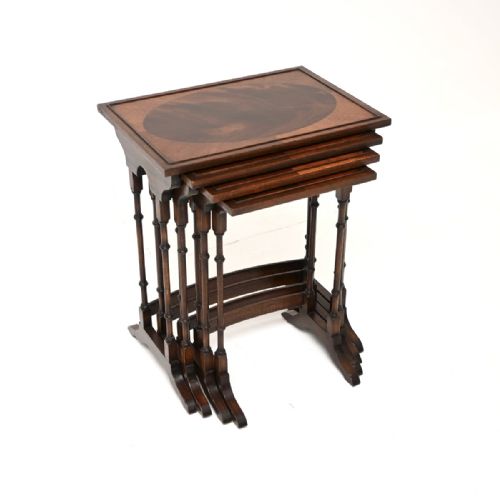
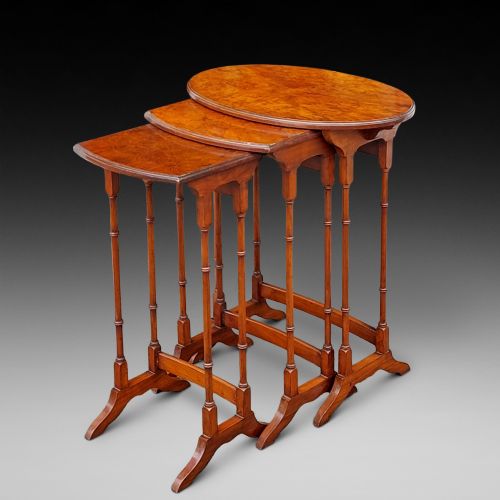
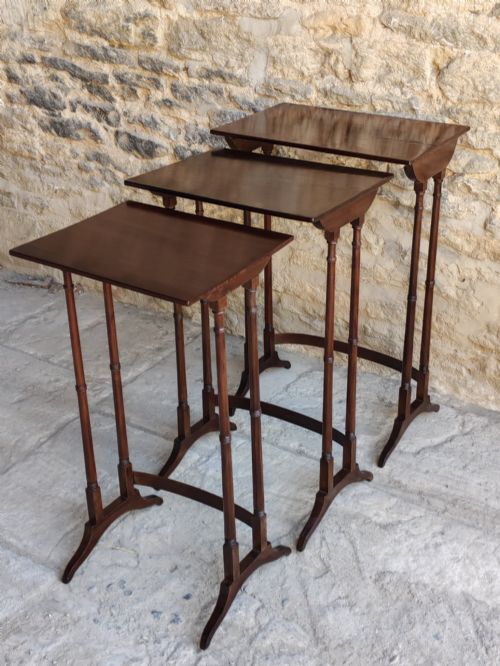
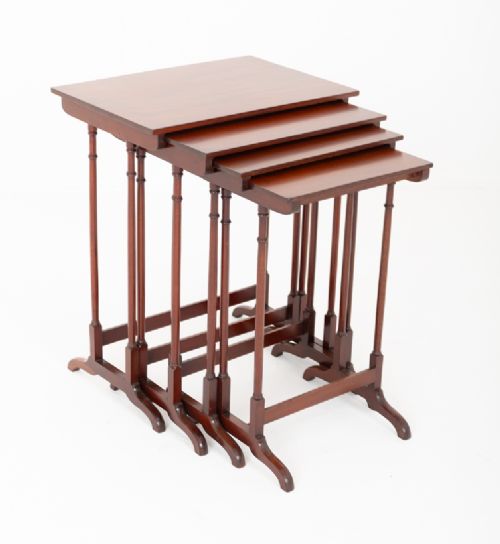
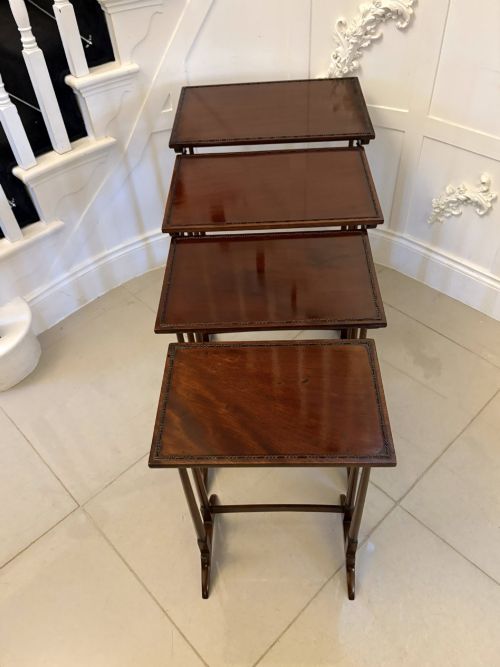
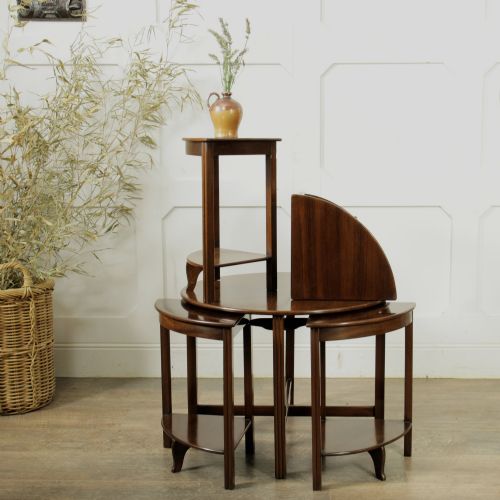
The most common form met on this page is the nest of tables, often structured as sets of three, four, or five tables sliding neatly beneath one another. Alongside these tiered wooden tables, the selection includes matched sets of occasional, salon, and dining chairs.
Originating across Edwardian, Georgian, Victorian, and Art Deco periods, these sets reflect the changing demands for space-saving furniture throughout the decades. Woods such as mahogany, walnut, and oak dominate the construction, styled in traditional British revivals alongside continental and oriental influences.
Materials and Construction Techniques
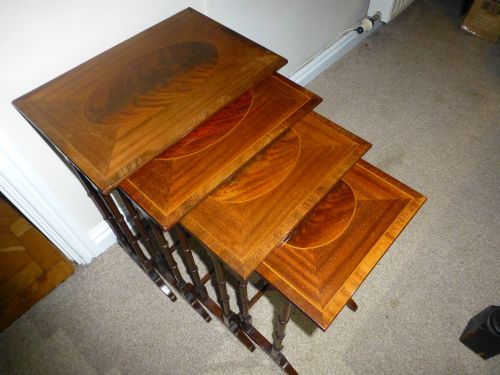
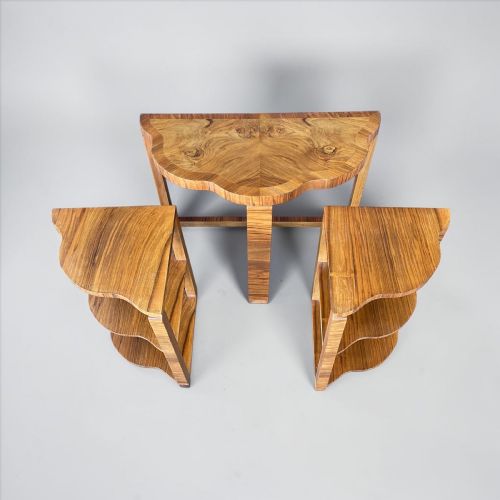
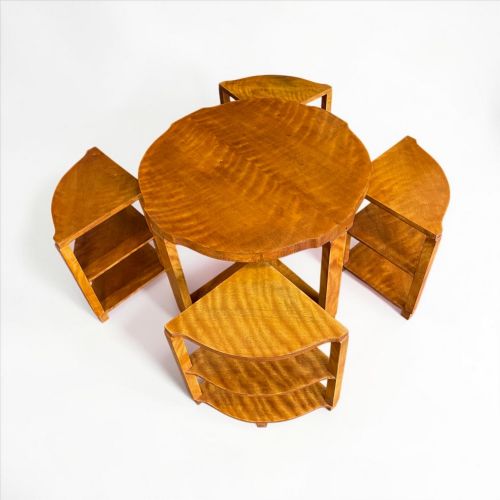
Cabinetmakers utilised solid timbers and decorative veneers, applying mahogany, oak, and walnut across frames and tabletops. Burr walnut and satinwood appear as distinctive surface veneers, adding natural figuring and lighter contrasting tones to the woodwork.
Inlaid details, stringing, and hand-painted lacquer finishes define the decorative execution seen in Chinoiserie and Edwardian pieces. Tables and chairs rely on traditional joinery methods, ensuring stability despite the slender proportions required for interlocking nesting designs.
Vintage Occasional Set Retail Price Guide 2026
Typical asking prices for vintage occasional set among the pieces listed under this phrase on Sellingantiques today, from the lower quarter to the upper quarter. They describe what is for sale here now, not the wider market.
Some sets stretch up to five tables deep, perfect for those who enjoy an archaeological dig just to reach the smallest surface.
Assessing Craftsmanship and Distinction
Quality separates simple utility items from pieces showing finer cabinetmaking, visible in the selection of figured timber veneers and the precision of inlaid stringing. Tops matched for grain continuity and frames maintaining structural integrity during nesting demonstrate higher workshop standards.
The complexity of the set design influences its standing, with larger multi-tiered configurations like quartetto sets or decorated lacquer surfaces requiring greater skill than plain oak or mahogany variants. Original finishes and intact decorative painting preserve the integrity sought by collectors.
Harry and Lou Epstein·Heal's
The Vintage Occasional Set Glossary
- Quartetto
- A set of four small tables designed to fit one beneath another. This nineteenth and early twentieth-century form maximises floor space.
- Chinoiserie
- European imitation of Chinese artistic traditions, typically featuring hand-painted motifs on lacquered backgrounds. It appears on select decorative tables.
- Stringing
- Thin lines of contrasting wood inlaid into the surface of furniture to create geometric borders. Cabinetmakers used this technique to outline tabletops and chair rails.
- Burr Walnut
- Timber taken from the warted growth of a walnut tree, yielding intricate, swirling grain patterns. It serves as a decorative veneer on tabletops.
- Salon Chair
- A light occasional chair designed for sitting in a drawing room rather than heavy daily dining use. These pieces often feature matching woodwork or upholstery.
Vintage Occasional Set: Frequently Asked Questions
What is a quartetto table set?
A quartetto set consists of four graduating tables designed to slide neatly into one another. They were widely produced during the Edwardian period for tea and occasional use.
This nesting design allowed households to store multiple surfaces in the footprint of a single small table. Owners could easily pull them out when entertaining guests.
How do I identify an Edwardian nest?
Edwardian nests typically feature light mahogany frames, delicate string inlay, and sets of three or four tables. They date from the early twentieth century.
Makers of this era favoured slender legs and polished timber surfaces. The styling often looks back to Georgian proportions while serving contemporary domestic needs.
What materials are used in these sets?
Primary timbers include mahogany, walnut, oak, and burr walnut. Some decorative examples incorporate hand-painted lacquer and exotic wood veneers.
Solid hardwoods provide structural strength for the legs and frames. Veneers add decorative grain patterns to the visible tabletops.
Where should I place nesting tables?
Nesting tables suit living rooms, reading corners, and bedrooms where surface space is needed intermittently. They sit compactly beside armchairs or sofas.
When extra space is required, individual tables can be distributed around the room for drinks or books. Afterwards, they stack back together to clear the floor.