

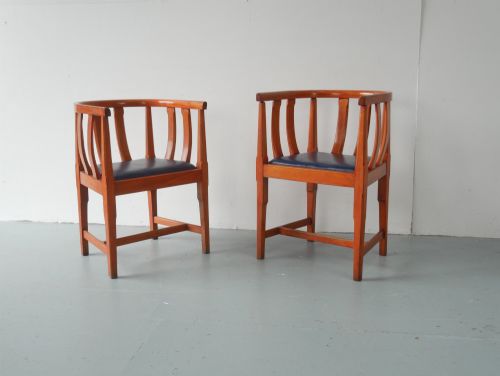
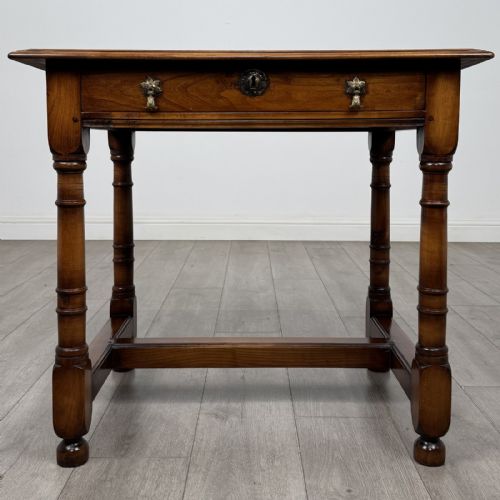
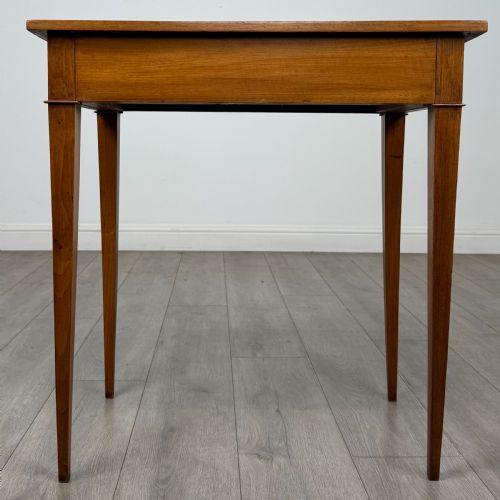
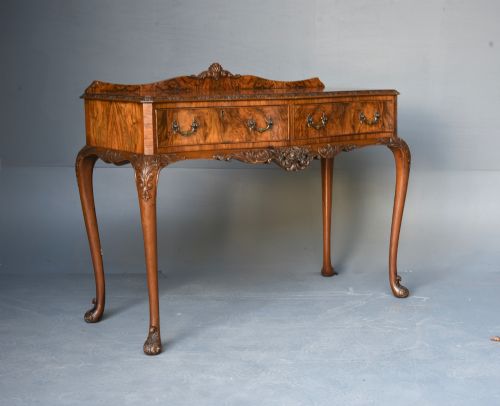
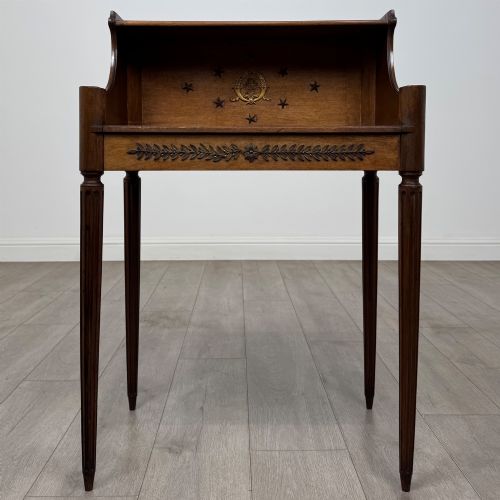
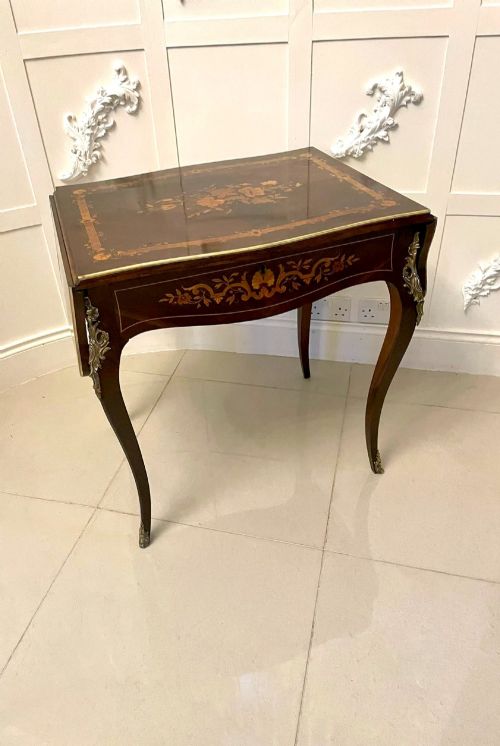
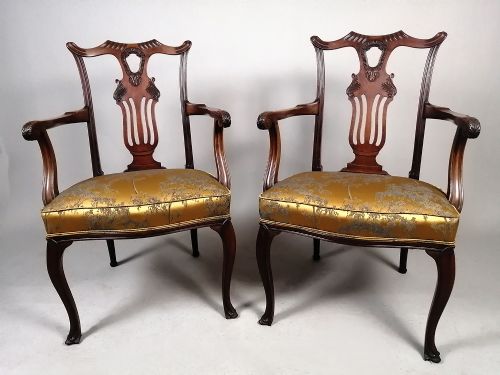

Vintage Occasional Desk
These vintage occasional desk pieces combine compact utility with period character, offering flexible writing and display surfaces for smaller rooms.
Vintage Occasional Desk
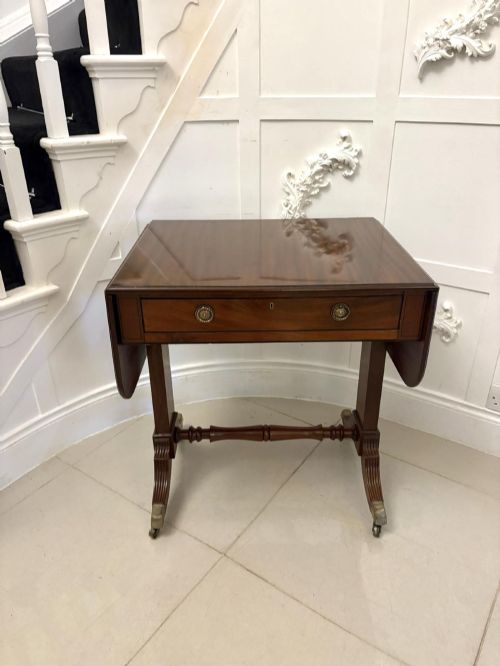
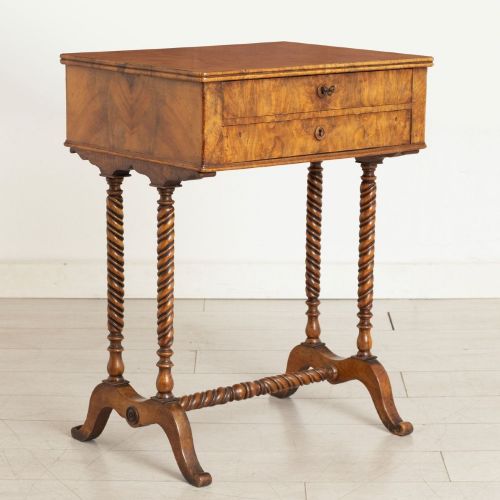
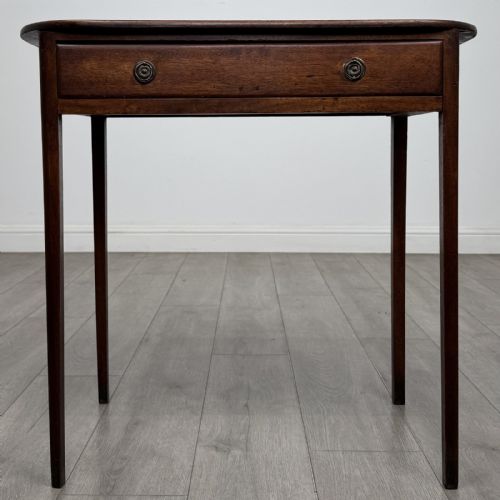
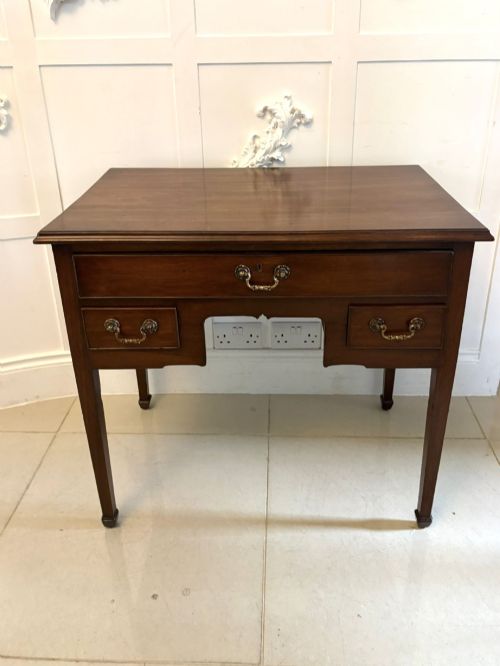
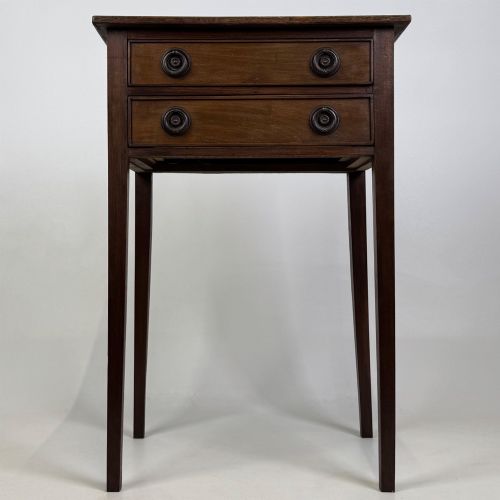
A vintage occasional desk brings compact writing or display utility to a room without dominating the floor space, spanning forms from side tables and lowboys to specialised work and sewing tables. When searching for a vintage occasional desk, buyers frequently encounter Edwardian and Victorian examples alongside pieces stretching back to the eighteenth century.
The selection ranges from mahogany side tables with hidden drawers and brass galleries to walnut drop-leaf designs and inlaid satinwood creations. Many of these versatile items originate from British workshops, though French rosewood marquetry and Kashmiri walnut pieces also appear in the record.
Materials and construction methods
Cabinetmakers relied heavily on timber variety, utilising solid mahogany, walnut, oak, and rosewood alongside delicate satinwood and burr walnut veneers. Decorative detailing frequently involved intricate mother-of-pearl inlay, brass galleries, and marquetry patterns.
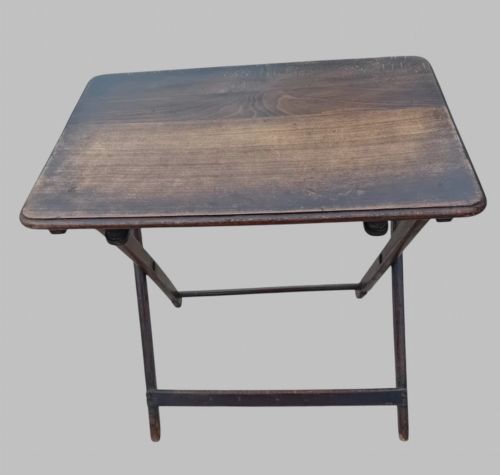
Structural integrity relied on traditional joinery, cabriole legs, and folding mechanisms designed for campaign or drop-leaf versatility. Beech and pine served supplementary roles for internal framing and secondary elements.
Vintage Occasional Desk Retail Price Guide 2026
Typical asking prices for vintage occasional desk among the pieces listed under this phrase on Sellingantiques today, from the lower quarter to the upper quarter. They describe what is for sale here now, not the wider market.
Assessing construction and material standards
Quality rests in the selection of timber figures, such as burr walnut or figured mahogany, and the precision of inlaid details like satinwood banding or mother-of-pearl. Superior execution shows in the crispness of carved cabriole legs and the smooth operation of hidden drawers and drop leaves.
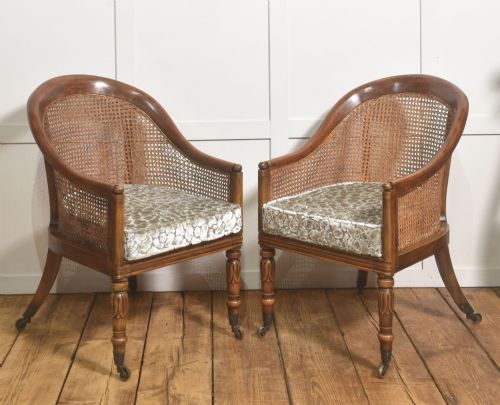
The integration of secondary materials, including solid brass galleries and finely woven cane seats, separates standard utility pieces from higher-tier salon furniture. Original patination and balanced proportions further elevate a piece above simpler utilitarian forms.
Hubert Simpson of Kendal·Rowland Ward of London·Andrew Thomson and Sons
The Vintage Occasional Desk Glossary
- Lowboy
- A small occasional table or writing desk featuring one or more drawers, typically raised on four legs and common in eighteenth-century rooms.
- Work table
- A specialised small table equipped with drawers or a fabric bag for sewing and needlework supplies.
- Marquetry
- Decorative veneer patterns formed by fitting together small pieces of wood, shell, or ivory into wood panels.
- Cabriole leg
- A furniture leg that curves out gracefully and then narrows inward, often ending in a pad or claw foot.
- Drop-leaf table
- A table featuring hinged flaps on the sides that fold down to save space when not in use.
Vintage Occasional Desk: Frequently Asked Questions
How do I identify an Edwardian desk?
Edwardian pieces often feature lighter timbers, satinwood inlay, and neoclassical influences derived from earlier eighteenth-century designs.
They tend to prioritize domestic refinement and manageable proportions suited to smaller reception rooms.
Where were these small desks used?
These versatile pieces served in bedrooms, libraries, and withdrawing rooms for brief correspondence or needlework.
Their portable nature allowed them to move easily around the house as domestic needs shifted.
What is a campaign style table?
Campaign furniture was constructed for easy transport by military officers on the move.
These pieces typically incorporate folding frames and robust timbers designed to withstand travel.
How should I care for veneered walnut?
Veneered surfaces require stable humidity levels and protection from direct sunlight to prevent warping and fading.
Gentle dusting with a dry cloth preserves the finish without harming the historic timber.