

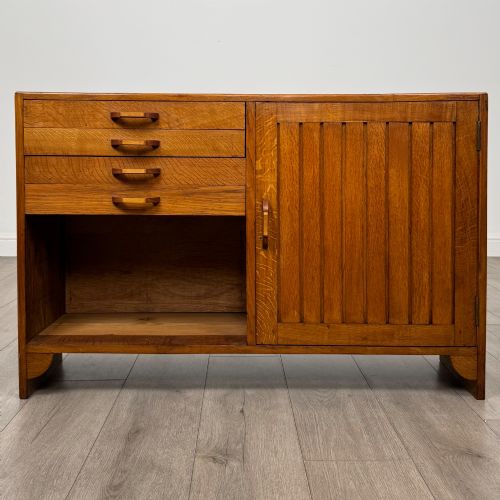
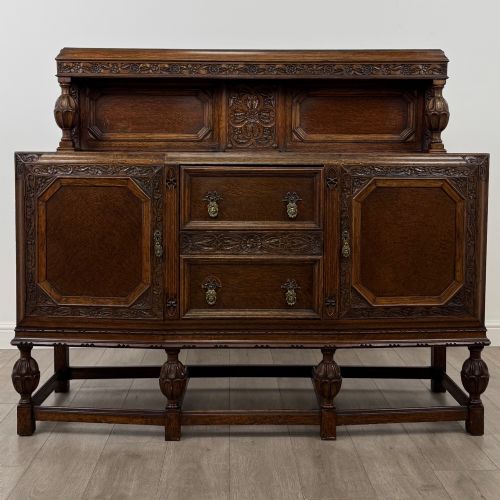
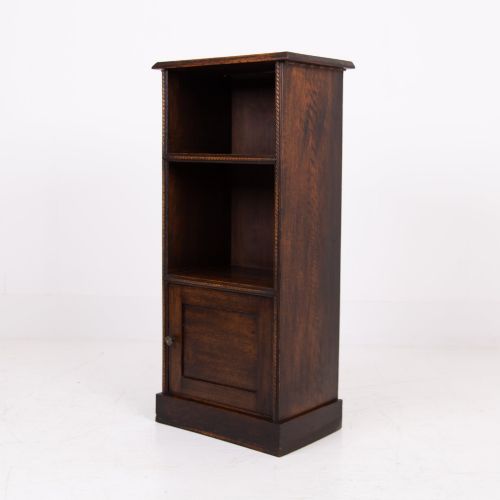
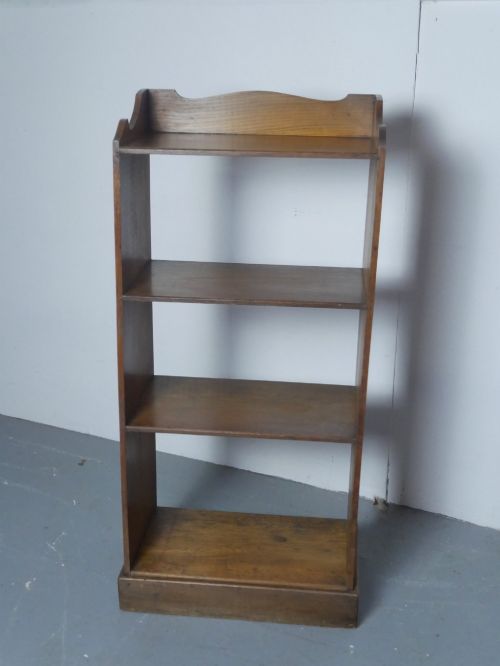
Vintage Oak Storage Unit
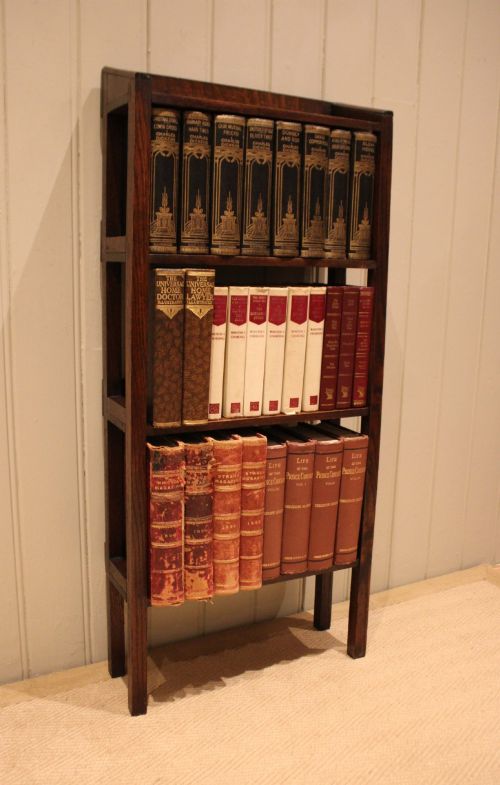
A vintage oak storage unit brings sturdy character and honest grain to any room, offering practical containment built from durable timber.
Vintage Oak Storage Unit
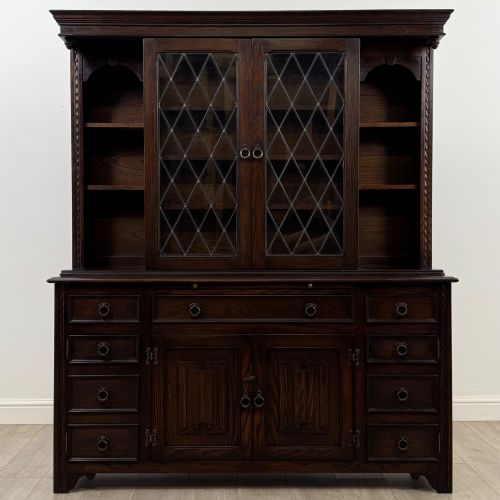
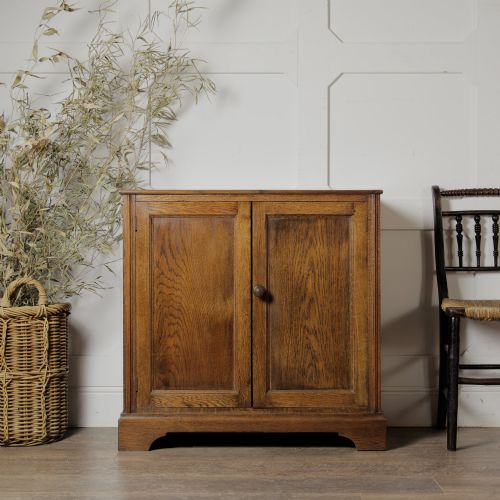
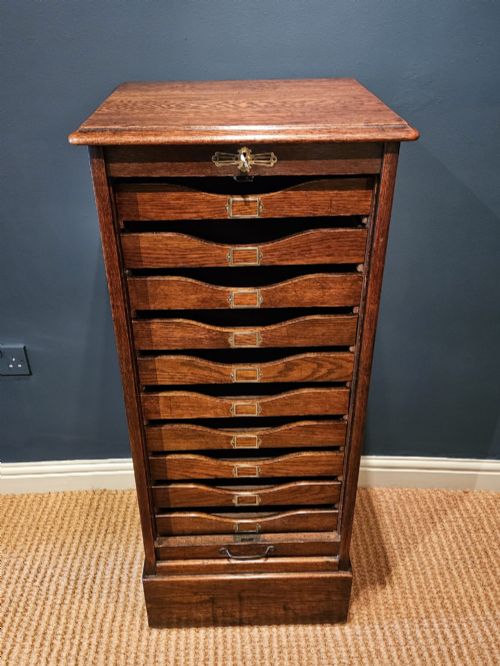
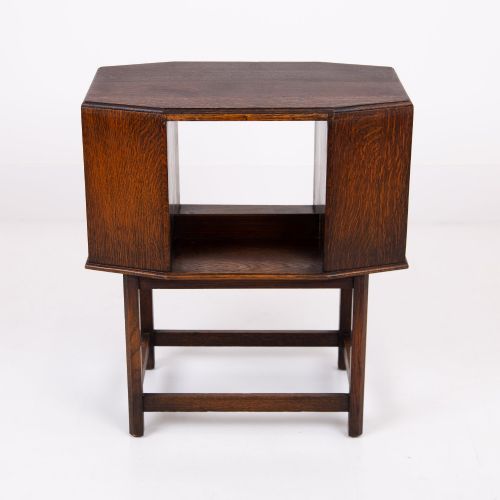
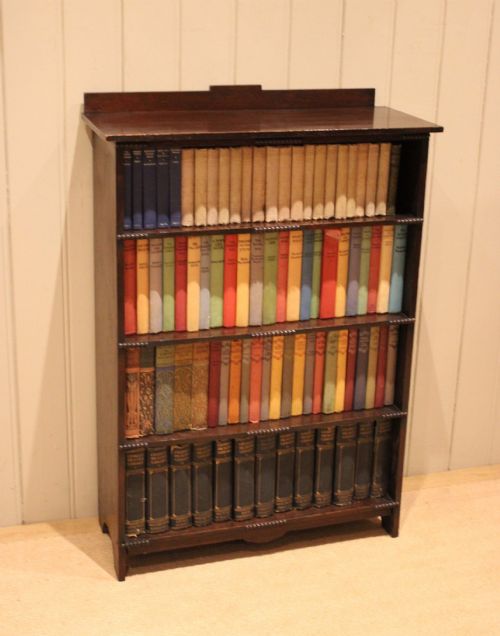
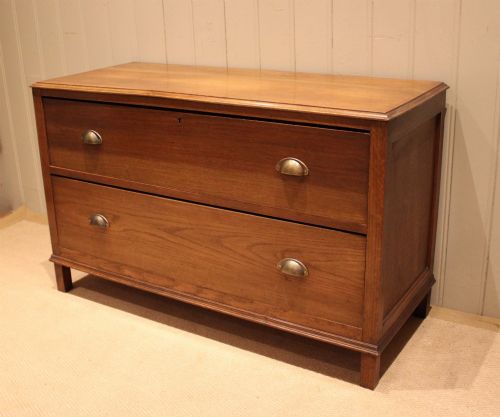
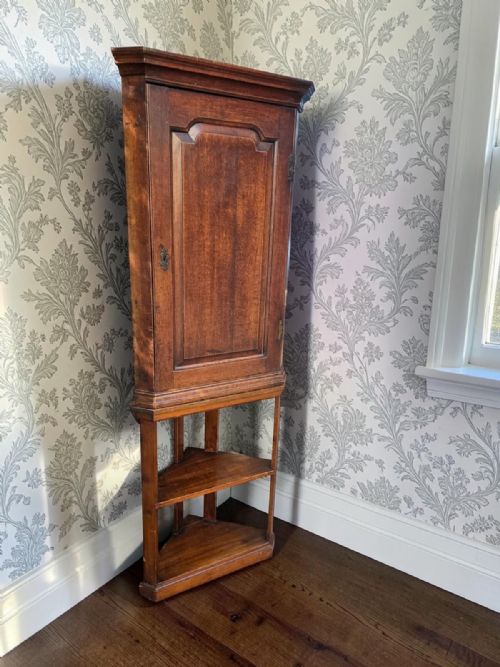
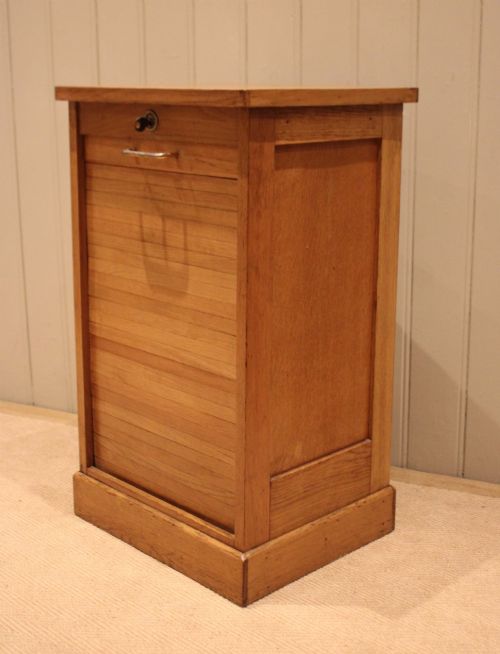
When searching for a vintage oak storage unit, buyers encounter a diverse selection of practical timber furniture spanning several centuries. The choices range from early Georgian corner cupboards to Edwardian tambour front filing cabinets and 1930s modernist bookcases.
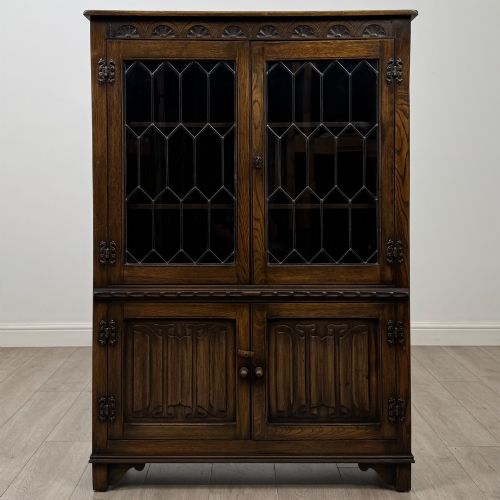
Examples stretch across formal styles like Jacobean Revival and Tudor Revival alongside utilitarian office furniture and Arts & Crafts designs. This variety ensures buyers find items suited for storing books, linens, and documents within traditional or contemporary interiors.
How they were made
Makers utilised solid oak alongside supporting timbers, combining robust construction with functional hardware like brass handles and leaded glass panes. Construction methods prioritized longevity, employing panelled doors, dovetailed drawers, and slatted tambour mechanisms that required precise woodworking skill.
Surfaces received treatments ranging from simple wax polishes to dark or golden stains that accentuated the natural grain patterns of the wood. Specialised forms such as plan chests and filing cabinets incorporated internal partitions and metal runners designed for intensive daily office use.
The listings span pieces originating from the 18th, 19th, and 20th centuries, covering Georgian, Victorian, Edwardian, and Art Deco eras.
What varies in quality
The distinction between standard utility furniture and superior pieces rests largely on the selection of timber and the refinement of minor details. Superior examples display carefully matched grain, substantial brass hardware appropriate to the period, and tight joinery that remains stable over decades.
Design ambition also divides the range, separating plain functional office pieces from items featuring carved details, linenfold panels, or accredited workshop attributions. The integration of complex mechanics, such as smooth-running tambour shutters or secret drawers, marks out the superior tier.
Heals·Betty Joel
The Vintage Oak Storage Unit Glossary
- Tambour front
- A flexible shutter formed of narrow strips of wood glued to canvas, allowing cabinet doors to slide smoothly around a curved track.
- Plan chest
- A wide, shallow set of drawers specifically designed for flat storage of large maps, drawings, and architectural blueprints.
- Linenfold
- A style of wood carving that imitates folded linen, frequently seen on panels of cupboards and display cabinets from revivalist periods.
- Corner cupboard
- A specialised storage cabinet constructed with a triangular footprint designed to fit neatly into the corner of a room.
- Sideboard
- A long piece of furniture used for storing dining accessories, typically combining cupboards and drawers beneath a flat top surface.
Vintage Oak Storage Unit: Frequently Asked Questions
What is a tambour front cabinet?
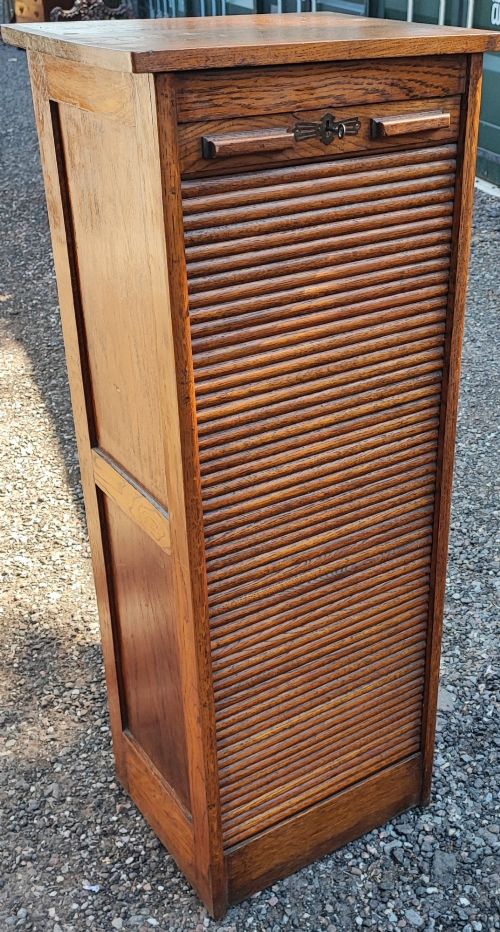
A tambour front cabinet utilises a sliding shutter made from narrow slats of oak fixed to a flexible backing fabric. This clever design allows the door to slide around a curved track, hiding the interior contents without requiring clearance for swinging doors.
These pieces were particularly popular in early office furniture, such as filing cabinets and desks, where space efficiency and quick access were paramount.
How do I date an oak storage piece?
Dating oak furniture involves examining construction techniques, hardware, and stylistic revival cues. Pieces from the Georgian era often feature hand-cut dovetails and pegged frames, whereas 20th-century office units introduce mechanical elements and standardised brass pulls.
Stylistic markers also help narrow the timeline, distinguishing the heavy carved motifs of Tudor Revival from the cleaner lines associated with 1930s modernist design.
Where should I place a corner cupboard?
A corner cupboard is designed to maximise awkward angles by utilising unused wall junctions in dining rooms, hallways, or living spaces. These units lift visual weight off the floor while offering secure storage for glassware, books, or tableware.
Freestanding floor-standing versions and wall-mounted pieces both serve to anchor empty corners without protruding too far into the main floor area.
Are these units suitable for modern offices?
Vintage oak office furniture brings both practical document storage and substantial character to contemporary workspaces. Items like oak plan chests and multi-drawer filing cabinets offer deep compartments that readily accommodate modern paper sizes and stationery.
The durable nature of solid oak ensures these pieces withstand daily professional use while providing an alternative to standard contemporary metal furniture.