

Vintage Oak Hall Cabinet
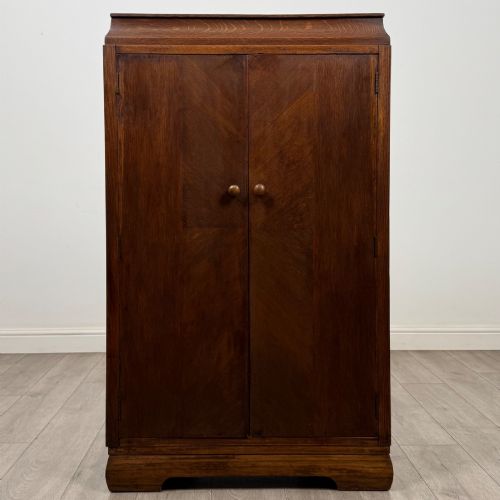
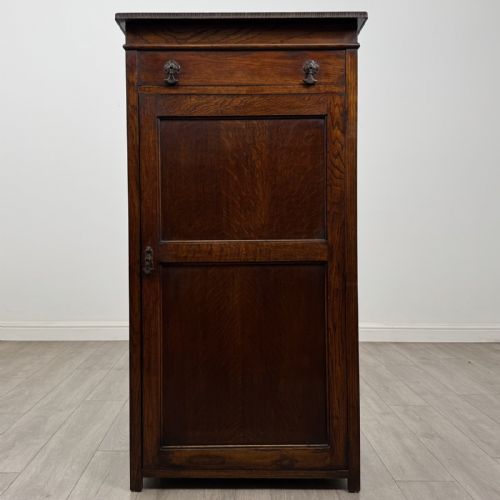
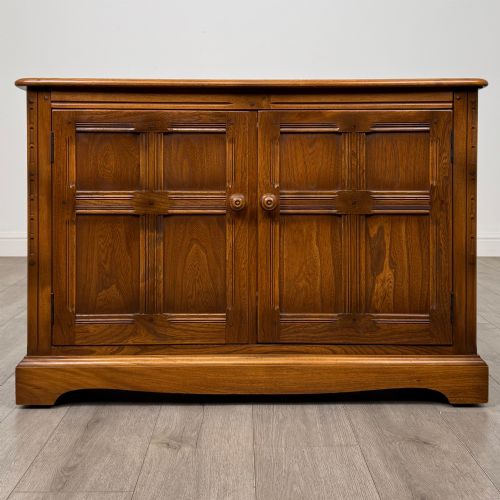
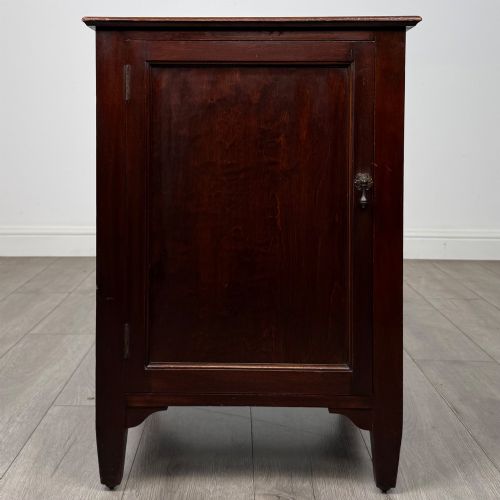
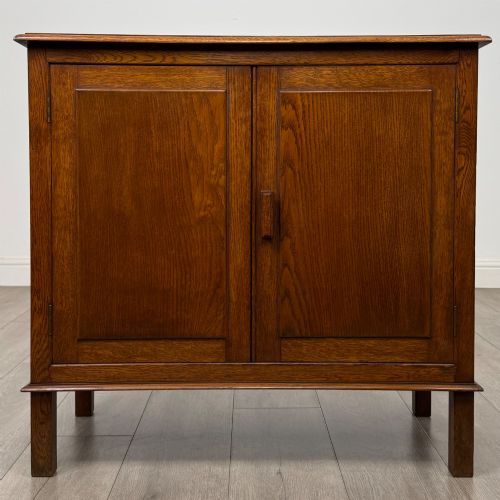
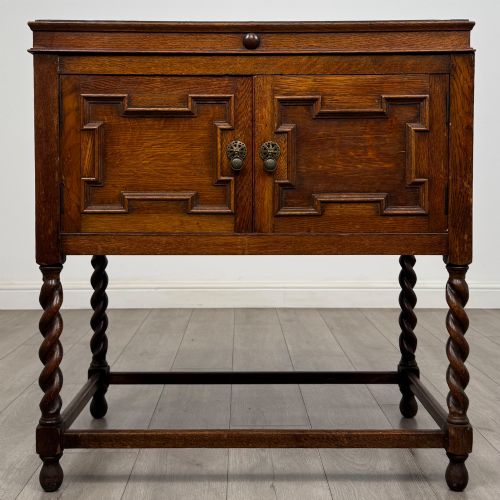
These vintage oak hall cabinets are sturdy timber storage pieces designed for entryways, ranging from Edwardian cupboards to 1920s wardrobes.
Vintage Oak Hall Cabinet
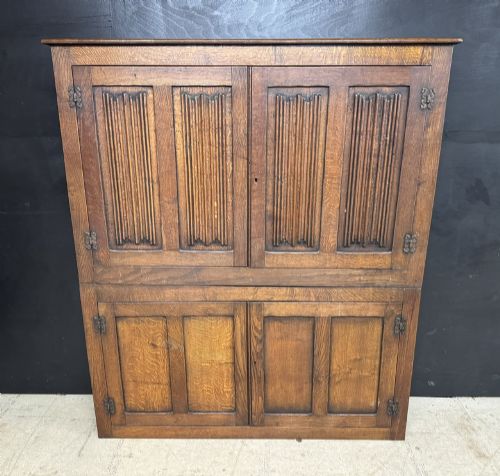
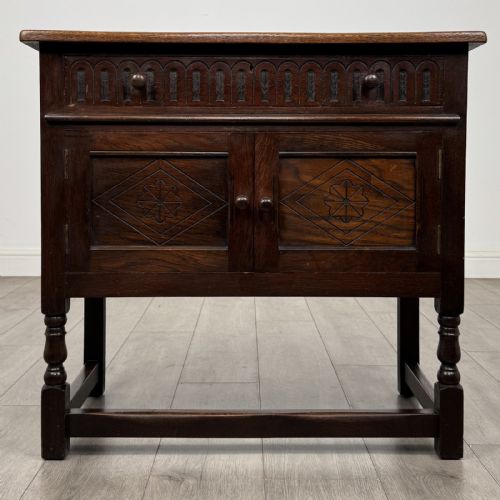
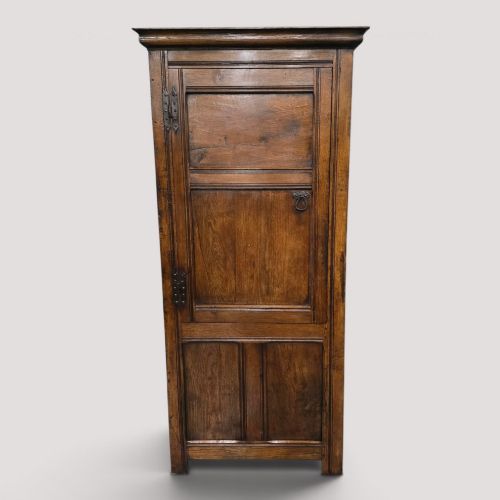
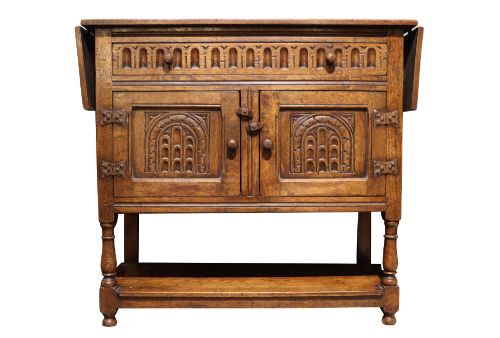
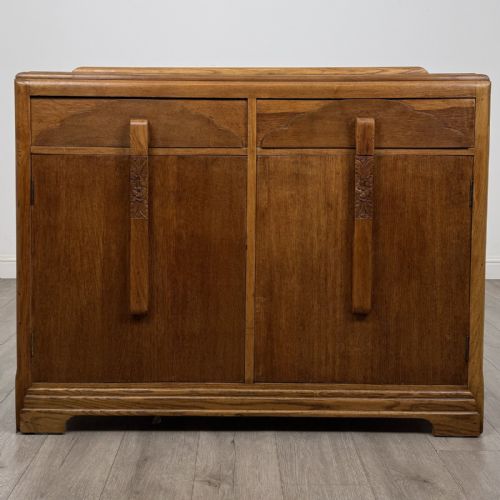
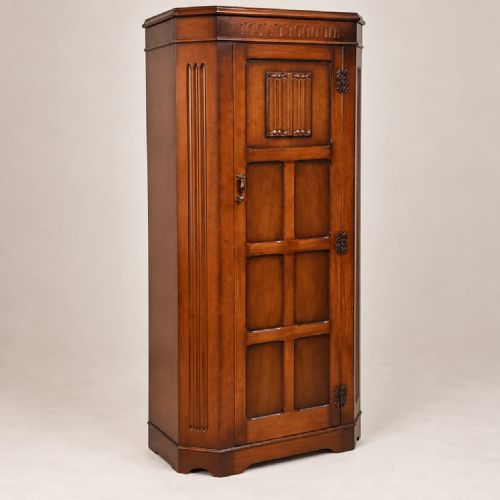
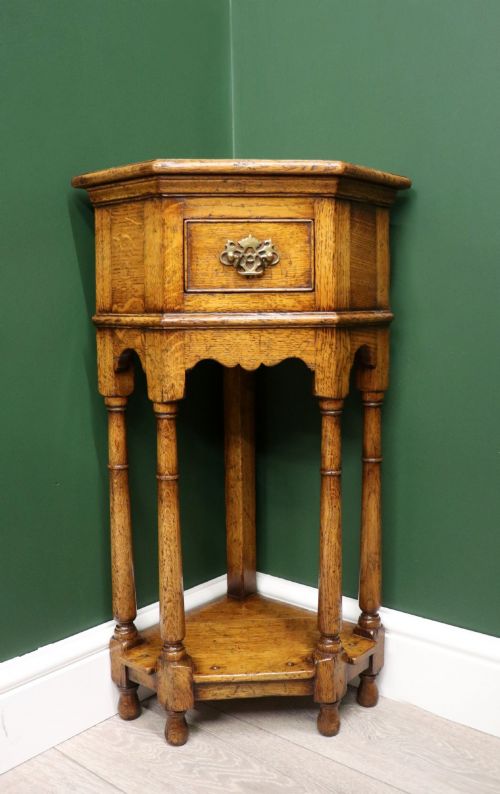
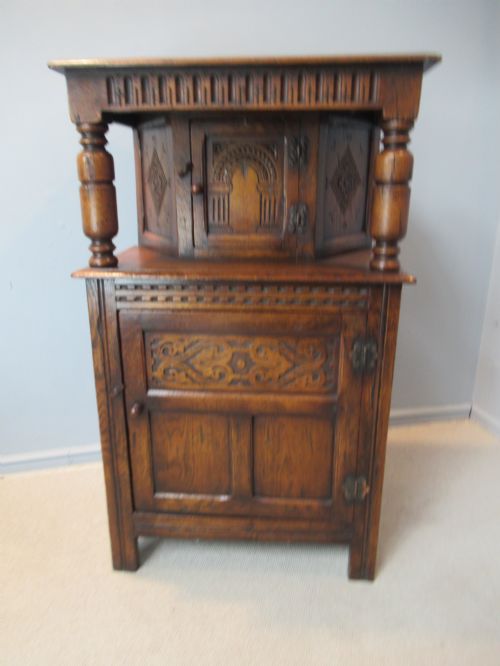
A vintage oak hall cabinet provides practical timber storage for entryways and passages, frequently appearing as side cabinets, standing cupboards, and wardrobes dating from the Edwardian era and the 1920s. Buyers searching for a vintage oak hall cabinet encounter various forms including small cupboards on stands, linenfold cupboards, and fitted storage pieces.
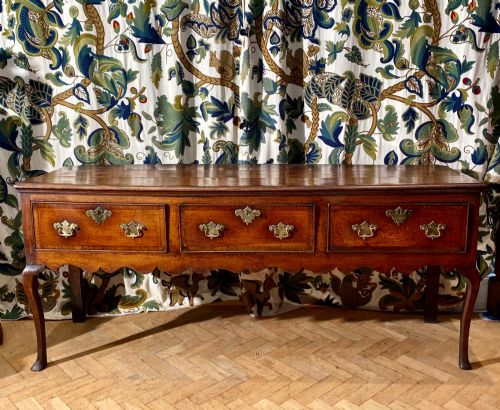
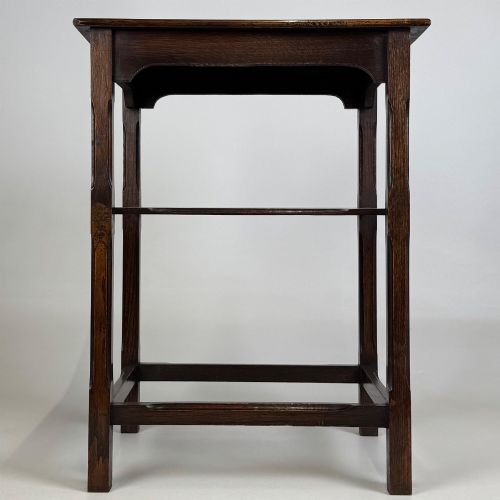
The selection extends across multiple periods, incorporating pieces from the 18th century, 19th century, Victorian era, and mid-20th century alongside the dominant Edwardian and 1920s examples. Alongside dedicated hall wardrobes and side cabinets, related forms such as side tables, washstands, and key cabinet shelves share the domestic entryway function.
Materials and construction methods
Construction relies heavily on solid oak, golden oak, light oak, dark oak, and stained wood, frequently complemented by brass, iron, and metal hardware. Certain pieces integrate marble tops or glass elements, particularly within washstands and side cabinets.
Stylistic details span Jacobean Revival, Gothic Revival, Tudor Revival, and Arts and Crafts traditions, showing carved ornamentation and linenfold panels. Joinery techniques deliver the sturdy carcasses necessary for daily hallway use.
Vintage Oak Hall Cabinet Retail Price Guide 2026
Typical asking prices for vintage oak hall cabinet among the pieces listed under this phrase on Sellingantiques today, from the lower quarter to the upper quarter. They describe what is for sale here now, not the wider market.
One wall-hanging bathroom shaving mirror doubles as a hall key cabinet shelf.
Assessing quality in oak hall furniture
Quality differences emerge through the selection of timber, ranging from standard oak to figured golden oak, and the crispness of carved details such as linenfold panels and revival motifs. Superior examples maintain structural integrity in doors, hinges, and internal fittings.
The sophistication of the design dictates the tier of the piece, distinguishing simple storage cupboards from elaborate Jacobean Revival or Arts and Crafts side cabinets with fitted interiors and quality brass or iron hardware.
Walker & Hall·Thurston & Co. of London
The Vintage Oak Hall Cabinet Glossary
- Linenfold
- A style of wood carving that imitates folded linen, commonly seen on panels of Edwardian cupboards. This decorative technique adds texture to the flat surfaces of the cabinet doors.
- Jacobean Revival
- An architectural and furniture style reviving 17th-century English designs, featuring dark oak and geometric carvings. Pieces from this style often display robust turnings and heavy mouldings.
- Court cupboard
- A traditional short sideboard or cupboard used for displaying plate, translated into smaller proportions in 20th-century pieces. They provide compact storage with a distinct tiered silhouette.
- Lowboy
- A small 18th-century dressing table with drawers, functioning historically as a side table or low serving surface. These pieces sit on slender legs and often feature polished oak tops.
Vintage Oak Hall Cabinet: Frequently Asked Questions
What periods do these oak cabinets come from?
The listings predominantly feature Edwardian and 1920s pieces, alongside examples from the Victorian era and the 18th and 19th centuries.
Craftsmanship and materials shift across these decades, moving from earlier solid construction to later revival styles.
How were these cabinets used in a home?
They served primarily in hallways and entryways to store garments, hats, and everyday items out of sight.
Tall wardrobes managed heavy outerwear, while smaller cupboards and side tables held keys, gloves, and correspondence.
What is linenfold carving?
Linenfold is a panel-carving technique designed to resemble vertical folds of fabric, popular in revival furniture.
Cabinet makers used this motif on doors to add architectural interest to plain oak surfaces.
How do I distinguish an Edwardian piece from a 1920s piece?
Edwardian examples often lean towards refined revival styles with specific hardware, while 1920s pieces frequently showcase simpler light or dark oak finishes.
Construction methods and timber selection help clarify the exact period of manufacture.