
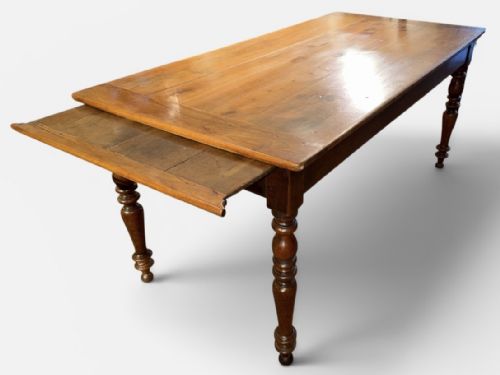
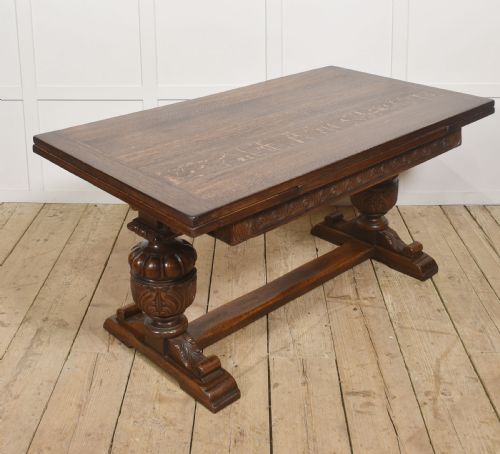


Vintage Oak Extending Table
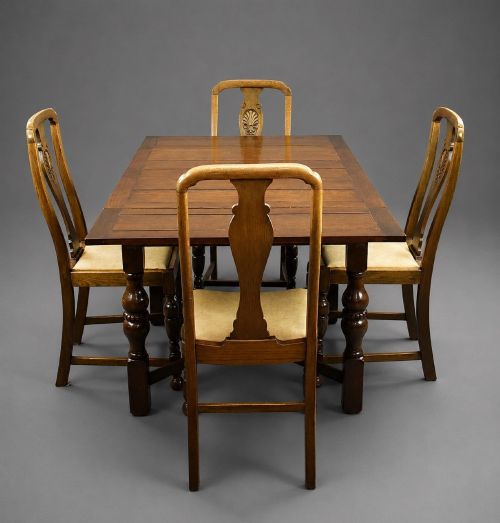
A vintage oak extending table brings robust timber and adaptable surfaces to the dining room, offering practical daily dining alongside effortless expansion for larger gatherings.
Vintage Oak Extending Table
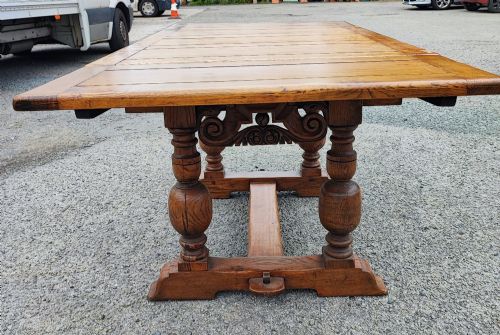
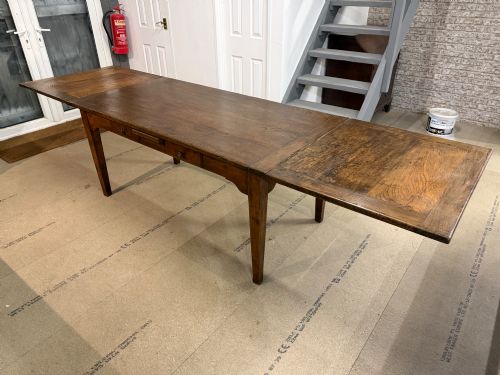
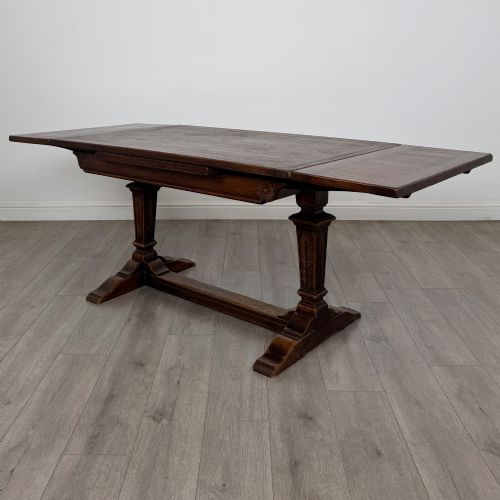
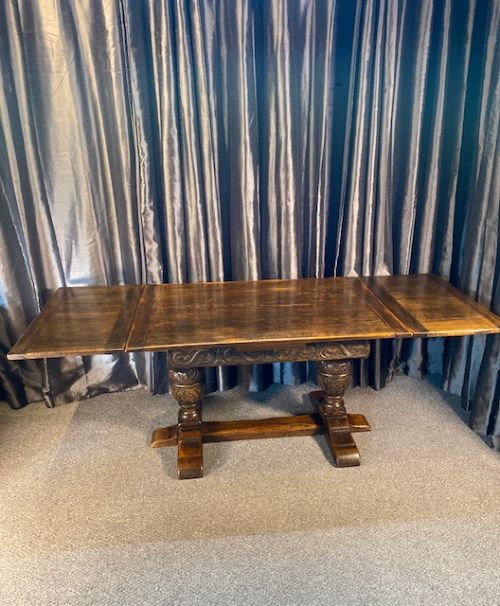
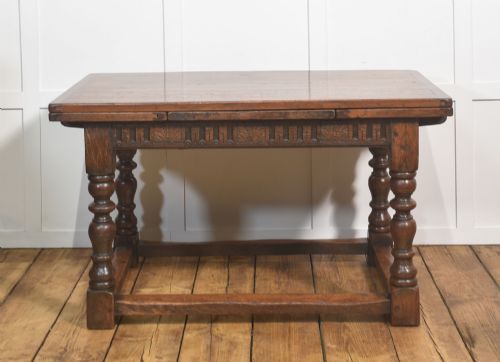
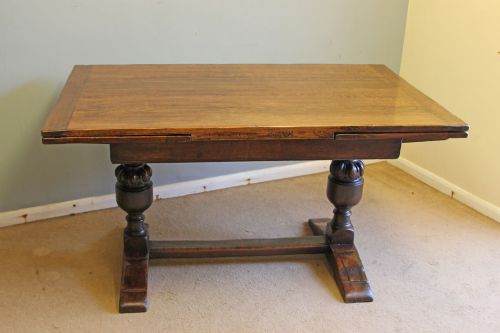
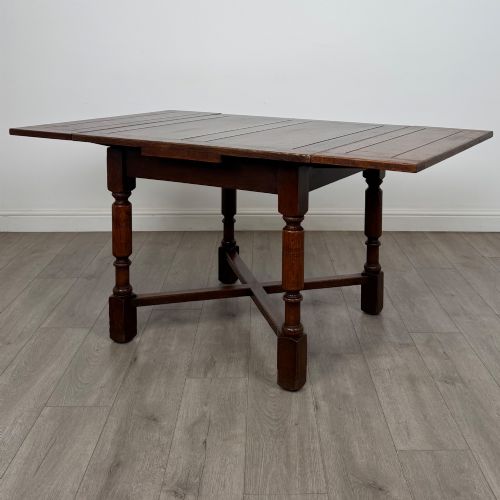
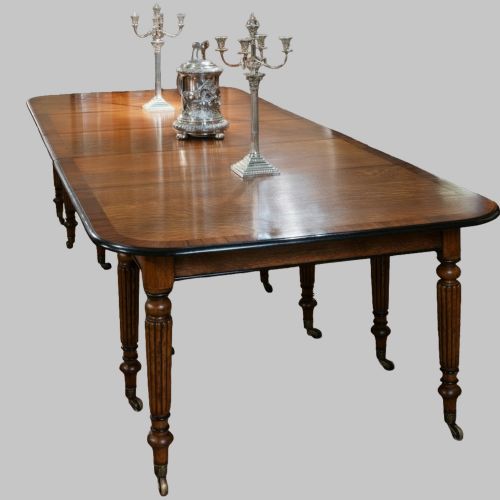
A vintage oak extending table serves as the functional heart of a home, designed to accommodate both intimate family meals and larger gatherings through clever mechanical leaves. When searching for a vintage oak extending table, buyers encounter a robust variety of forms spanning from the late nineteenth century through the 1930s, alongside Edwardian and Regency periods.
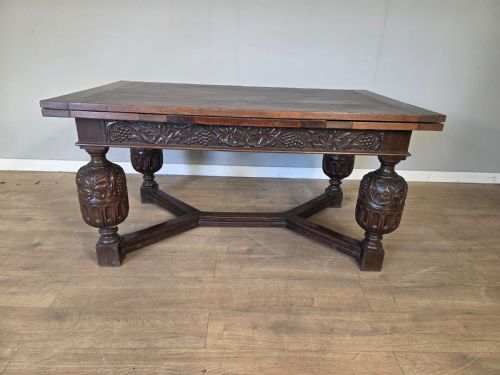
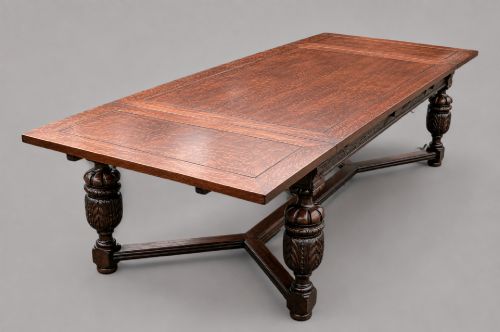
The selections on this page heavily feature the classic draw-leaf mechanism and refectory styles, as well as gateleg, wake, and console formats. Oak predominates as the primary timber, occasionally complemented by fruitwood and supported by brass or iron hardware.
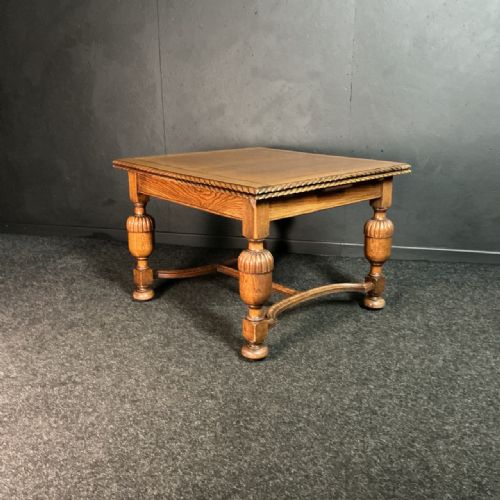
Stylistically, these pieces draw heavily from revival movements, presenting Jacobean, Elizabethan, Gothic, and French Country aesthetics. Alongside large dining tables, the range includes smaller kitchen variants and even specialised items like book slides.
Assessing Quality and Character
Quality in these tables rests upon the selection of the timber and the precision of the extension mechanism. Solid oak construction with tight, stable joints separates superior pieces from lighter, less durable alternatives.
The articulation of stylistic details, such as carved refectory bases or parquetry surfaces, demonstrates the maker's hand and elevates the piece. The smoothness with which draw leaves or gateleg actions operate further indicates careful initial manufacturing and subsequent preservation.
Some extending tables hide clever bread slides alongside their main leaves, ready for slicing loaves.
Maple and Co
The Vintage Oak Extending Table Glossary
- Draw-leaf table
- A dining table fitted with two sliding leaves stored beneath the main top that pull out to extend the surface length. This mechanism allows for quick expansion without removing the primary cloth.
- Refectory table
- A long, narrow dining table historically used in monasteries and large halls, characterised by substantial legs connected by a low stretcher. In later iterations, this form is frequently adapted with extending leaves for domestic use.
- Gateleg table
- A drop-leaf table where the leaves are supported by hinged legs that swing out like a gate. This design saves floor space when collapsed and provides sturdy support when opened.
- Wake table
- A large, oval or rectangular table with drop leaves, traditionally designed to accommodate many guests for community gatherings or feasts. They utilise multiple swing legs to support the extended leaves.
- Parquetry
- A geometric mosaic of wood pieces used for decorative effect on tabletops and flooring. This technique showcases contrasting grain patterns and precise carpentry.
Vintage Oak Extending Table: Frequently Asked Questions
How do draw-leaf extending tables work?
Draw-leaf tables feature two auxiliary leaves stored directly underneath the main top surface. When extra space is required, these leaves slide outward from each end while the main top drops slightly into place to create a flush, extended surface.
This clever mechanism allows a single person to lengthen the table without needing to store separate insert leaves elsewhere in the home.
What is a refectory dining table?
A refectory table is a long, narrow table style defined by sturdy legs and a low structural stretcher running between them for added stability. Originally built for communal dining halls, vintage versions often incorporate pull-out extensions for modern convenience.
The elongated proportions make them well suited for spacious dining rooms and large seating arrangements.
How do I care for a solid oak table?
Solid oak surfaces benefit from regular dusting with a soft cloth and occasional treatment with appropriate wood waxes or oils to nourish the grain. Avoiding excessive moisture and direct heat sources protects the timber from warping.
Using placemats and coasters prevents everyday marks and preserves the vintage finish of the wood.
Are gateleg tables suitable for small spaces?
Gateleg tables offer exceptional versatility because their drop leaves fold down completely when not in use. This allows the table to sit compactly against a wall or in a corner until needed for meals.
Swinging out the hinged wooden gates provides reliable structural support whenever the leaves are raised to seat more guests.