




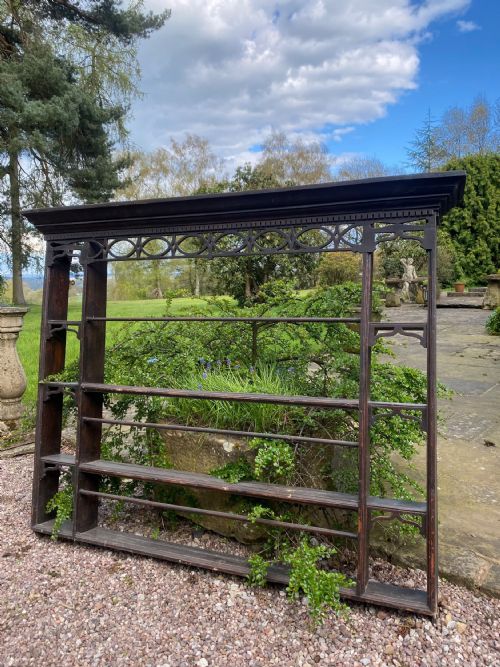
Vintage Oak Display Rack
A vintage oak display rack brings warmth and utility to any room, holding books, plates, and treasures upon solid timber shelves.

Vintage Oak Display Rack
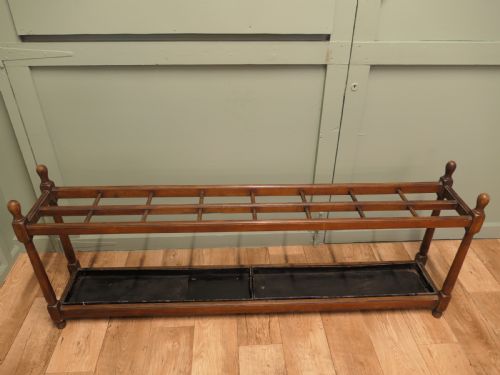
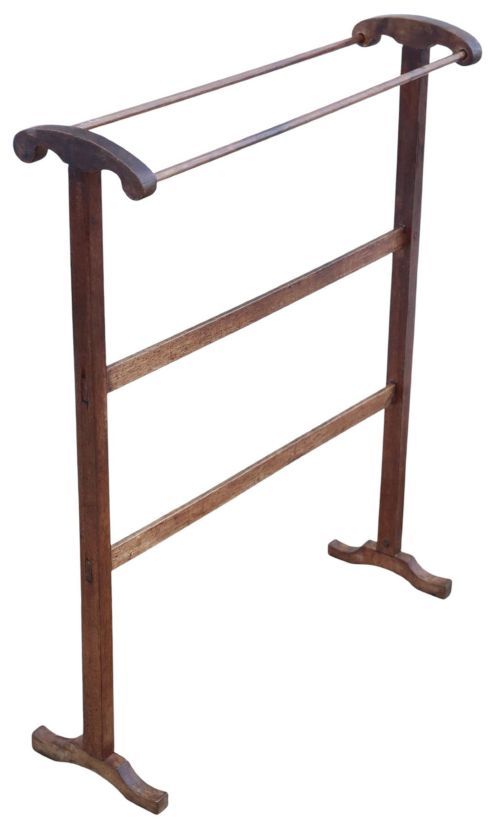
When you search for a vintage oak display rack, you encounter a range of functional furniture primarily designed for domestic storage and presentation. The selection spans distinct eras, from the clean lines of Edwardian and 1920s bookcases to the substantial presence of 18th-century and Georgian country dressers.
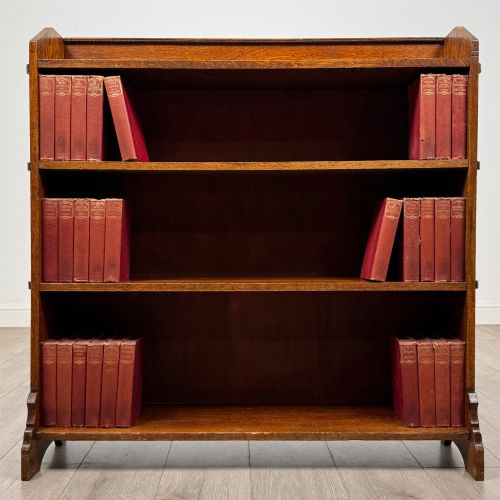
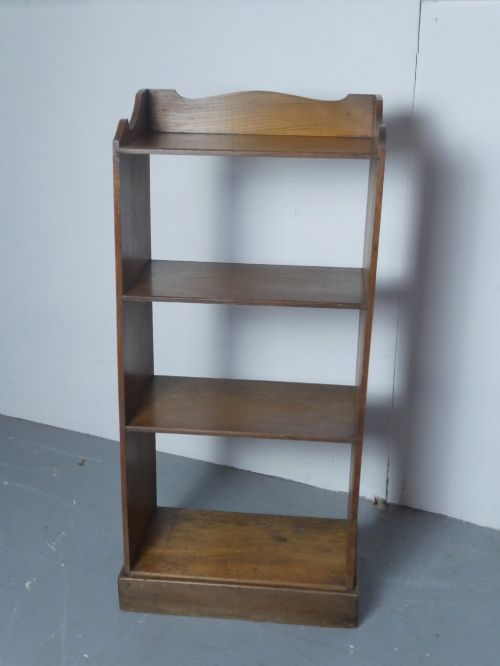
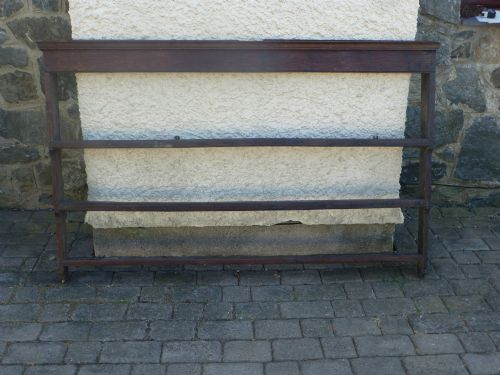
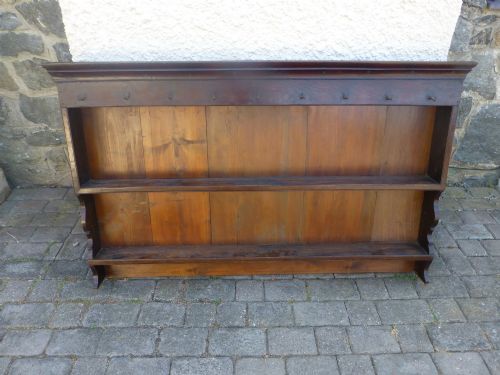
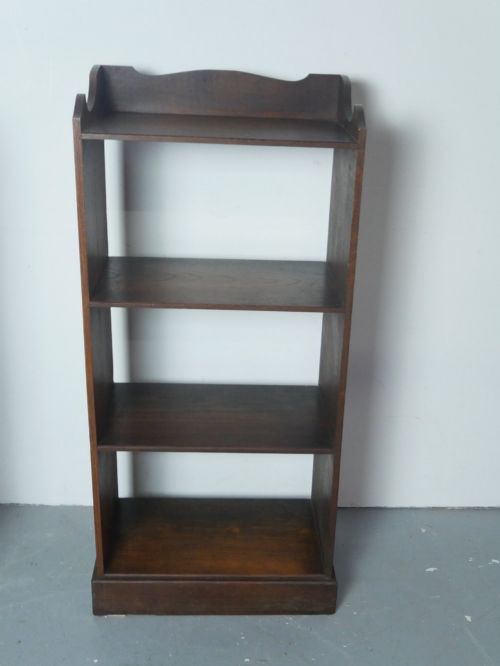
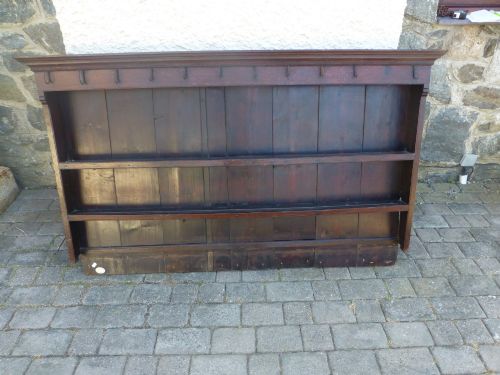
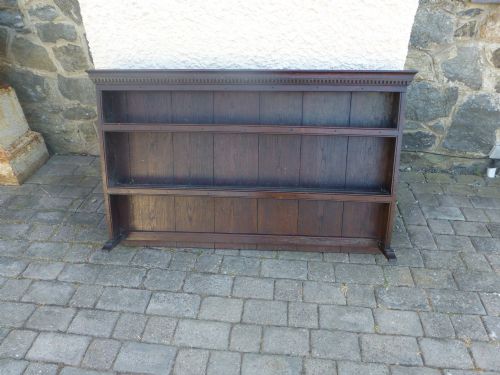
The version you are most likely to meet on this page is an open bookcase or a wall-mounted plate rack fashioned from oak, often reflecting regional English styles such as Welsh country manufacture. These pieces vary from simple utilitarian shelving units to decorative Arts and Crafts iterations with distinctive cut-outs.
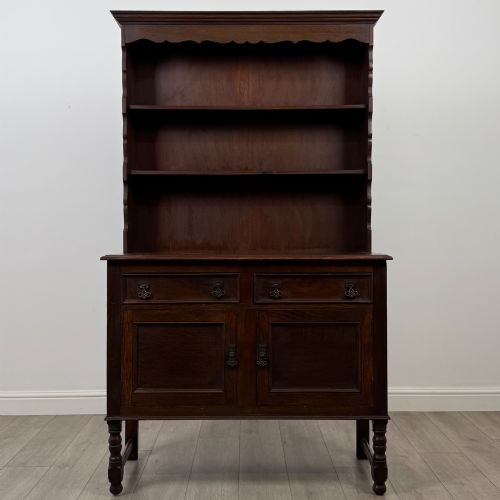
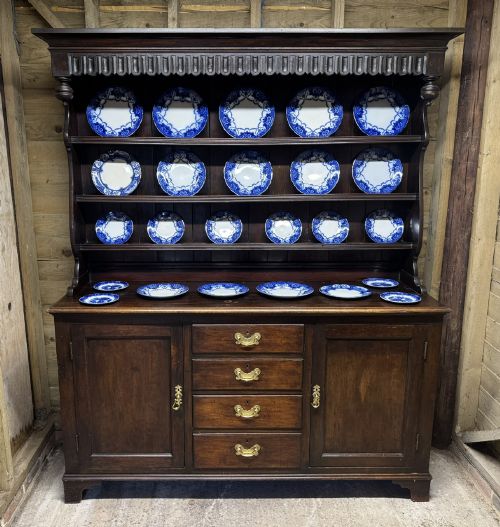
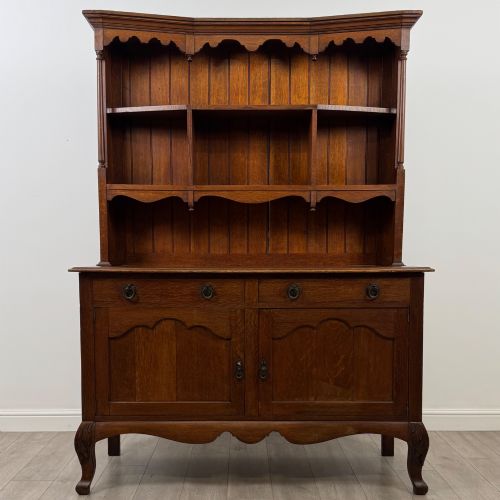
Older examples frequently combine the rack with a base dresser or integrate brass and iron fixings. Whether configured as a countertop paper dispenser, a narrow cottage shelf, or a tall bookcase, each item serves to organise and exhibit domestic objects.
How they were made
Construction relies heavily on solid oak and stained oak, sometimes paired with secondary timbers like mahogany, alongside structural metal components such as brass and iron fittings. Timber selection dictated the weight and longevity of the shelving, with denser grain found in earlier country pieces.
Joinery techniques ranged from traditional pegged framing in 18th-century dressers to machine-planed boards in later Edwardian and 1920s bookcases. Makers often incorporated decorative elements like carved borders, beaded edges, and cut-out panels, particularly within Arts and Crafts and Jacobean Revival pieces.
Vintage Oak Display Rack Retail Price Guide 2026
Typical asking prices for vintage oak display rack among the pieces listed under this phrase on Sellingantiques today, from the lower quarter to the upper quarter. They describe what is for sale here now, not the wider market.
The inventory includes a dedicated fishing goods rack alongside formal Georgian plate display furniture.
What varies in quality
The distinction between ordinary utility items and superior examples lies in the selection of the timber and the integrity of the original construction. Better pieces exhibit well-figured oak boards with stable joints that have survived centuries of domestic use without excessive replacement timber.
Proportion and decorative restraint also separate the grades of manufacture, as seen in the balance of a moulded cornice or the careful execution of an Arts and Crafts cut-out. Finer items retain their original brass or iron hardware and uncompromised structural depth.
The Vintage Oak Display Rack Glossary
- Delft rack
- A wall-mounted or dresser-top shelf specifically slotted and railed to display ceramic plates upright. It protects earthenware while keeping tableware accessible in the kitchen.
- Welsh dresser
- A large kitchen or dining room combination piece featuring a base of drawers and cupboards surmounted by open display shelving. These units originated in rural Wales for domestic storage.
- Arts and Crafts
- A design movement prioritising honest construction, plain surfaces, and local craftsmanship over mass-produced ornamentation. Pieces from this style often feature geometric cut-outs and visible joinery.
- Jacobean Revival
- A late 19th and early 20th-century style emulating 17th-century English furniture through heavy mouldings and dark stained oak. It brings a substantial, historic weight to domestic interiors.
- Open bookcase
- A piece of freestanding furniture comprising horizontal shelves without doors. This form allows immediate visibility and retrieval of books and decorative objects.
Vintage Oak Display Rack: Frequently Asked Questions
How do I date an oak display rack?
Dating relies on observing construction methods, timber patination, and stylistic markers such as hardware and mouldings. Earlier pieces from the 18th century often display hand- cut pegs and irregular board widths.
Later Edwardian and 1920s examples typically show more uniform machine-finished timber and simpler joinery. Comparing the overall form against known period styles helps narrow the decade of manufacture.
Where should I place a wall rack?
Wall-mounted racks suit kitchens, dining rooms, and hallways where floor space is limited. Ensure the wall structure can support the combined weight of the oak timber and the items displayed upon it.
Positioning the rack at eye level allows plates or books to be viewed comfortably. Keep timber away from direct heat sources to prevent the wood from drying out.
What is the difference between a dresser and a bookcase?
A dresser traditionally combines a lower storage base of cupboards or drawers with an upper display rack for plates and ceramics. This form evolved primarily for kitchen and dining use.
A bookcase consists exclusively of open or closed shelving intended primarily for the storage of books. While both utilise oak timber, their internal proportions reflect their original domestic functions.