



Vintage Oak Display Furniture
Vintage oak display furniture brings together functional storage and rich timber grains, offering sturdy shelving and glazed cabinets suited to everyday display.
Vintage Oak Display Furniture
Vintage oak display furniture encompasses open bookcases, glazed cabinets, wall racks, and corner cupboards produced across the nineteenth and early twentieth centuries. Pieces range from provincial French cupboards and Welsh dressers to Edwardian glazed china cabinets and Art Deco bookcases.
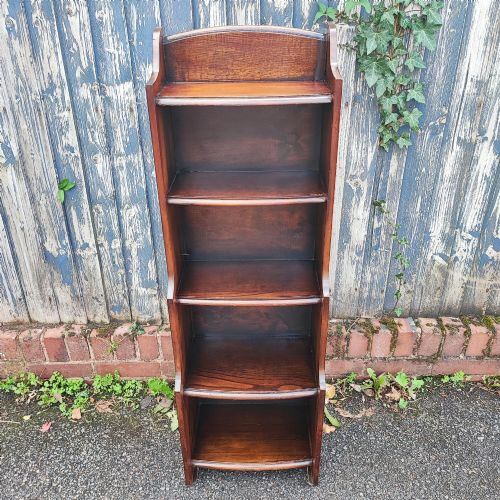
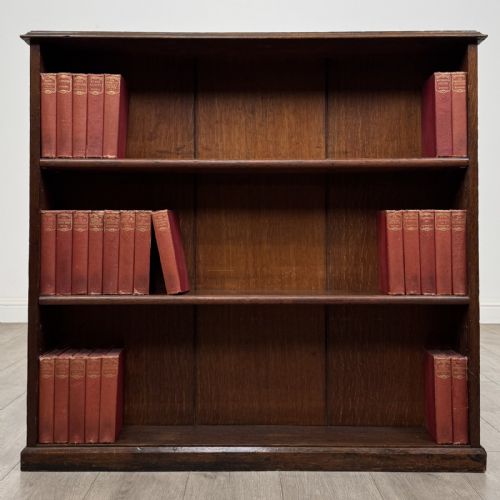
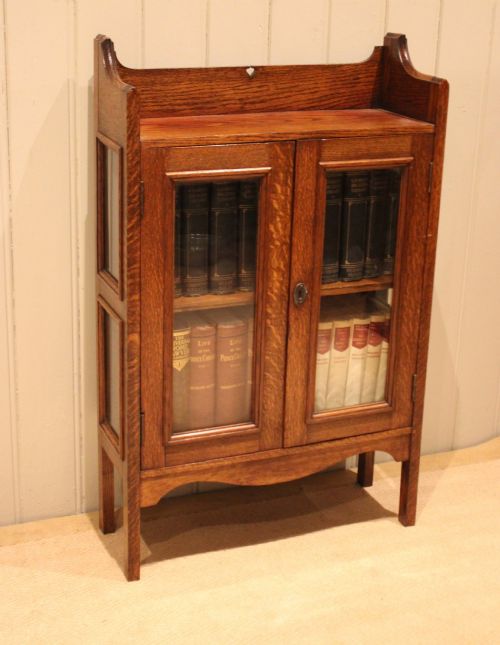
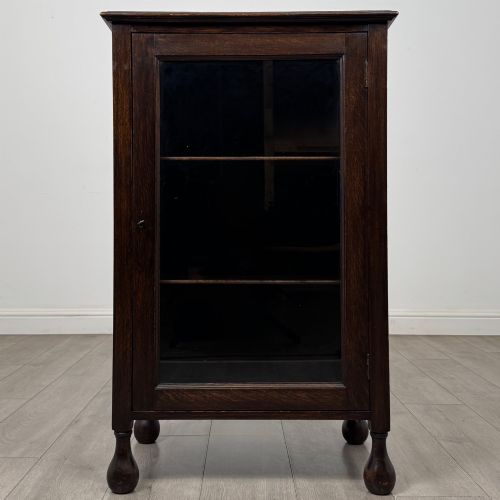
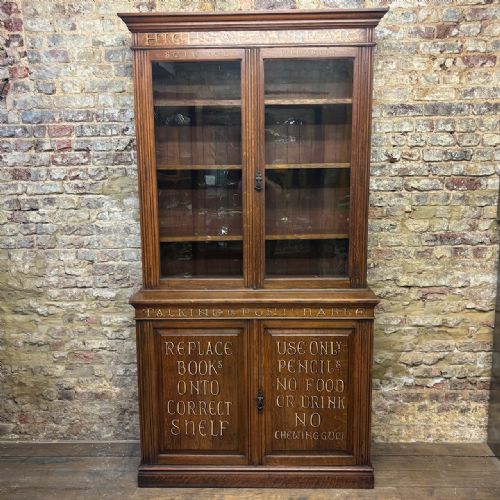
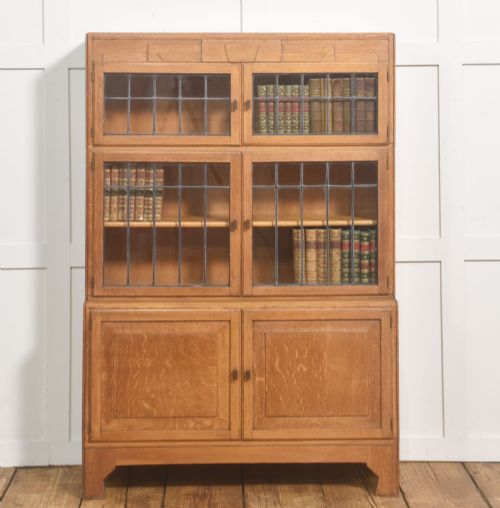
The version most commonly met on this page is the Edwardian or early twentieth-century open bookcase and display cabinet, often featuring adjustable shelving or glass doors. These practical forms reflect the domestic storage needs of their period, combining utilitarian design with solid timber construction.
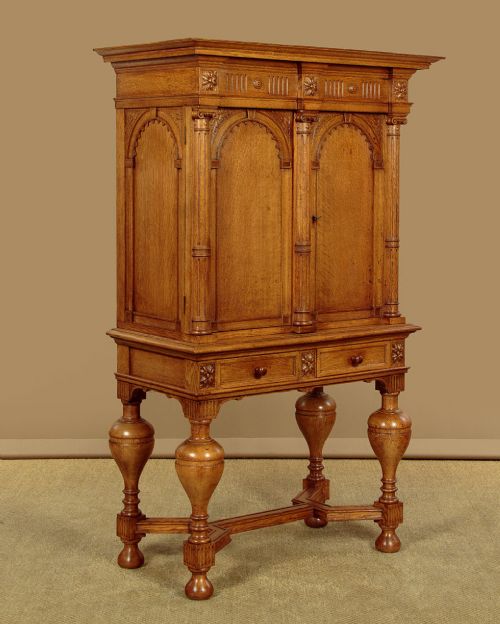
Origins span English, French, and Dutch workshops, taking influence from stylistic movements such as Arts and Crafts, Art Deco, Jacobean Revival, and Secessionist design. This variety ensures that pieces integrate easily into modern interiors while retaining distinct historical character.
Materials and construction
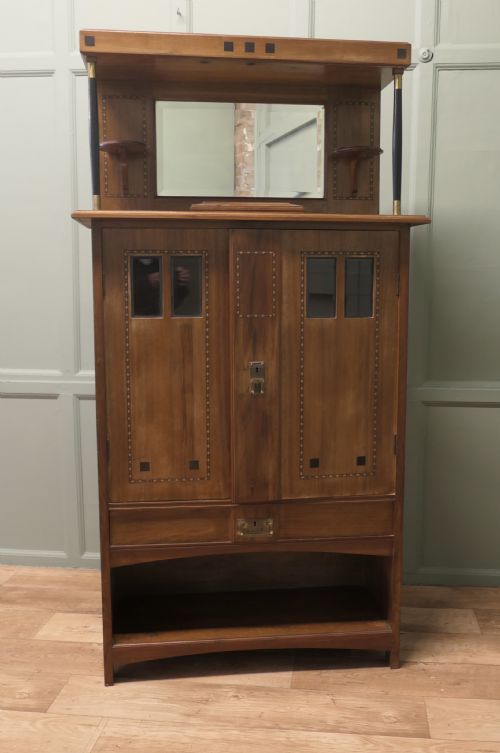
Makers relied primarily on solid oak, frequently paired with glass, brass hardware, and mirror glass panels to illuminate interior display spaces. Secondary timbers such as mahogany appear alongside iron structural elements, while selected French examples showcase carved detailing on bleached surfaces.
Construction techniques balanced durability with visual proportion, utilising adjustable wooden shelving, sliding or glazed doors, and sectional modular builds. Joints were typically pegged or dowelled, ensuring that heavy bookcases and dressers could support substantial libraries and collections.
Vintage Oak Display Furniture Retail Price Guide 2026
Typical asking prices for vintage oak display furniture among the pieces listed under this phrase on Sellingantiques today, from the lower quarter to the upper quarter. They describe what is for sale here now, not the wider market.
Listings feature oak alongside glass, brass, and mahogany across Edwardian, Art Deco, and Arts and Crafts styles.
Distinctions in execution
Quality rests upon the selection of timber grain, the precision of joinery, and the integrity of original hardware such as brass hinges and locks. Superior examples display thoughtful proportions and careful carving, whereas simpler utilitarian items prioritise pure function over decorative refinement.
The integration of secondary materials like leaded glass, mirror plates, and specialised interior linings distinguishes standard utility shelving from ambitious workshop productions. Original finishes and patination further elevate a piece, showing how timber ages under daily use.
Lebus·Heals·Heals of London
The Vintage Oak Display Furniture Glossary
- Glazed
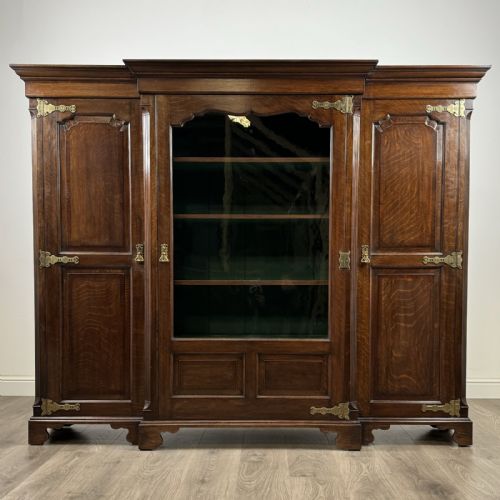
- Fitted with glass panes to enclose shelves while keeping contents visible. This protects books and ceramics from dust.
- Sectional bookcase
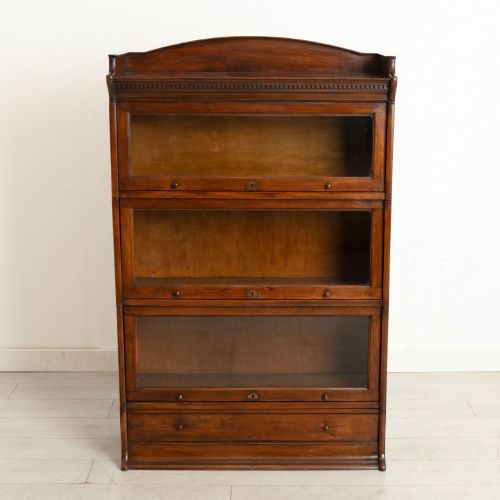
- A modular shelving unit built in stacked tiers that can be separated or rearranged. It became popular for flexible library storage.
- Corner cabinet
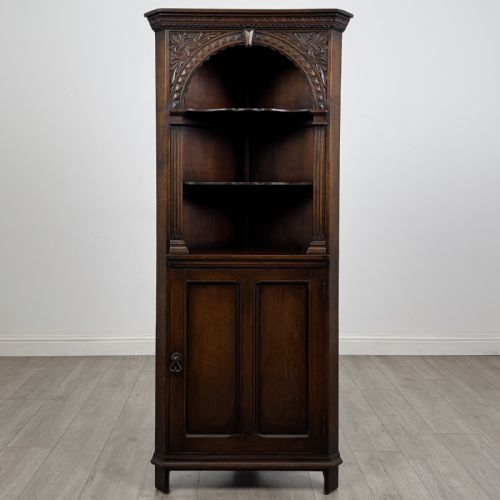
- A storage unit shaped to fit neatly into ninety-degree room angles. These pieces maximise floor space in smaller rooms.
- Plate rack
- Wall-mounted or integrated wooden framing designed to display ceramic plates upright. Grooved ledges hold each dish securely in place.
- Arts and Crafts
- A design movement prioritising honest construction, visible joinery, and natural materials. Ornamentation is minimal and derived from structure.
Vintage Oak Display Furniture: Frequently Asked Questions
How do I date a vintage oak bookcase?
Dating relies on construction methods, hardware styles, and prevailing design movements visible in the woodwork. Edwardian and Art Deco pieces often show specific aesthetic markers like leaded glass or sliding doors.
Examination of the backboards, fixings, and timber preparation helps distinguish late nineteenth-century workshop items from later twentieth-century serial production.
Are these cabinets suitable for modern homes?
These pieces integrate readily into contemporary spaces by offering practical vertical storage for books, ceramics, and glassware. Their solid timber construction provides reliable everyday utility.
Many formats, such as narrow open bookcases and corner cabinets, fit efficiently into compact rooms without dominating the floor plan.
What is the difference between an open bookcase and a display cabinet?
Open bookcases provide immediate access to stored volumes through unhindered shelving. They suit active libraries and everyday reading collections.
Display cabinets incorporate glazed or sliding doors that enclose the interior. This protects delicate porcelain and decorative objects from dust and handling.
How should I care for vintage oak furniture?
Maintenance requires keeping timber away from direct heat sources and sudden humidity shifts to prevent warping. Regular dusting with a dry cloth preserves the finish.
Applications of appropriate wax polish nourish the grain over time without building up heavy residues that obscure the historic surface.