

Vintage Oak Dining Sideboard
A vintage oak dining sideboard anchors a room with storage and presence, built from durable timber to serve generations of family meals.
Vintage Oak Dining Sideboard
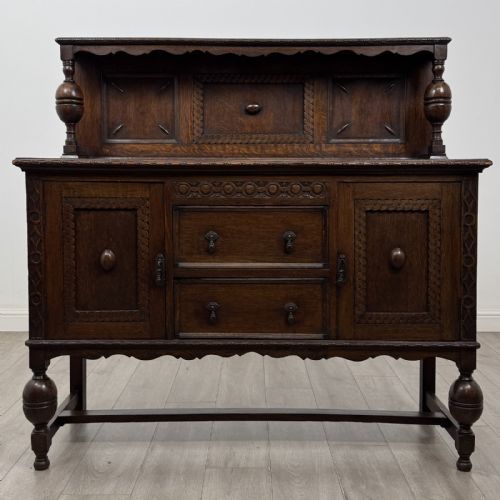
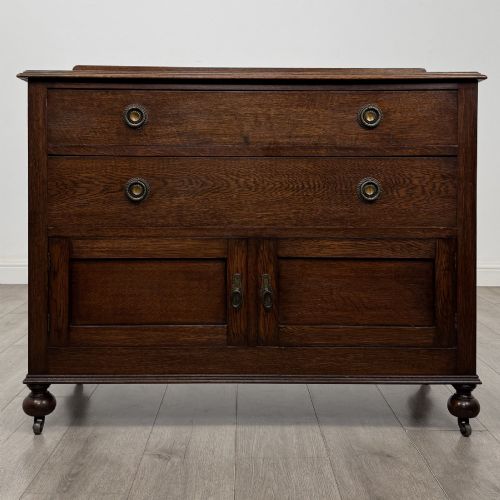
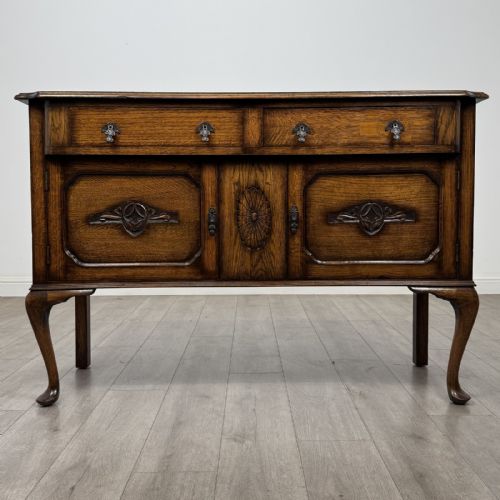
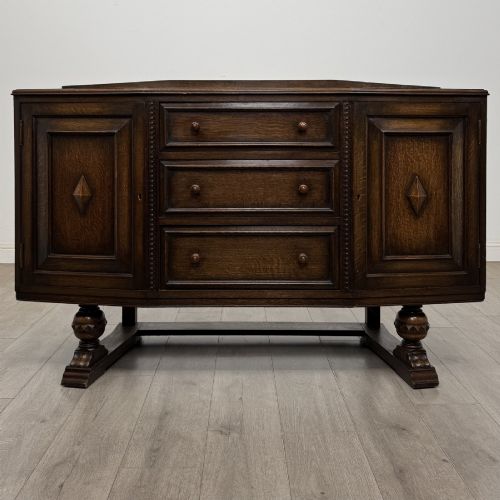
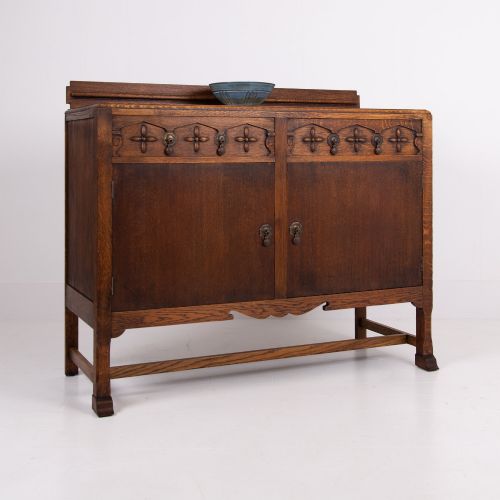
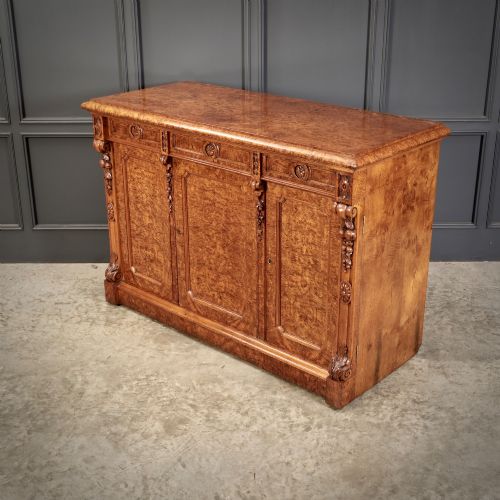
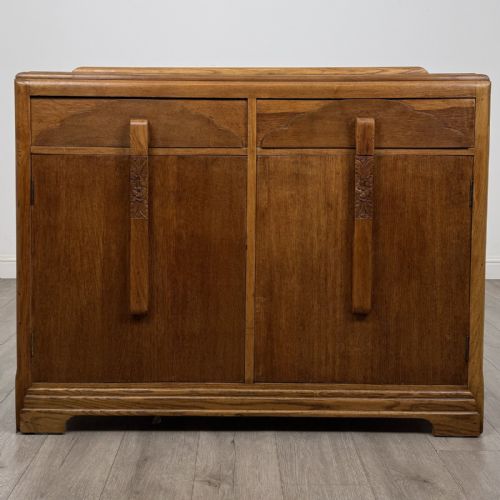
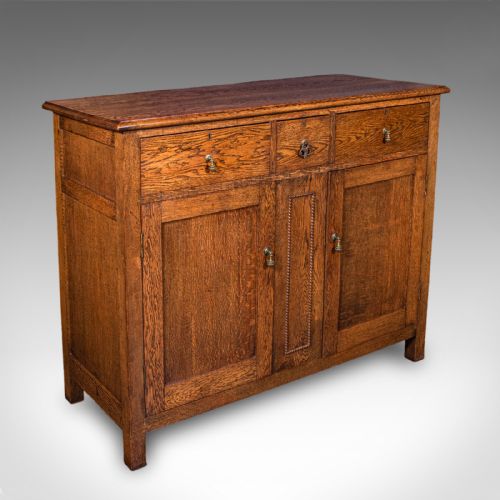
A vintage oak dining sideboard functions as a substantial storage cabinet for dining rooms, typically featuring combinations of drawers and cupboards to house tableware and linens. These pieces span from the late nineteenth century through the interwar decades, showing the evolution of domestic dining furniture.
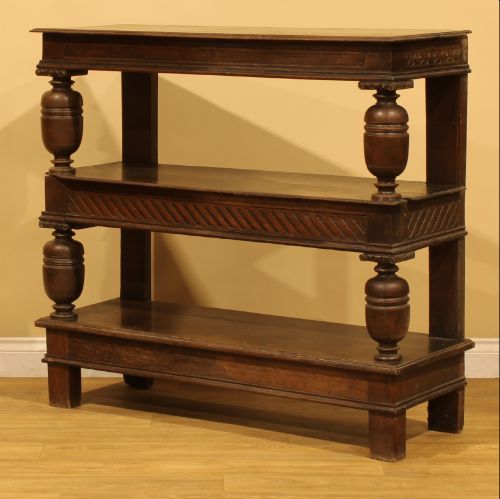
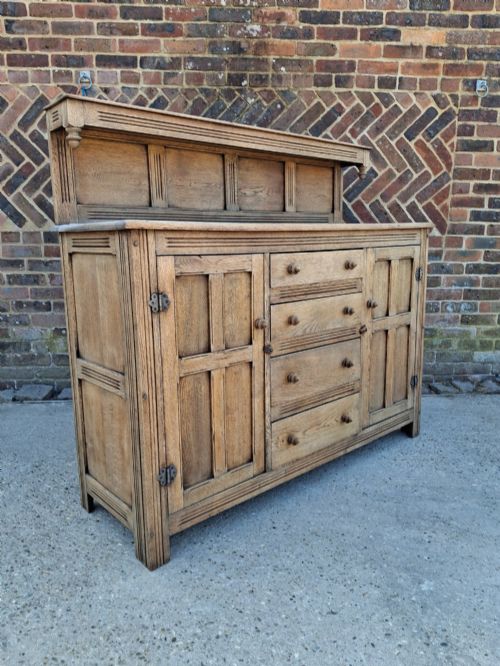
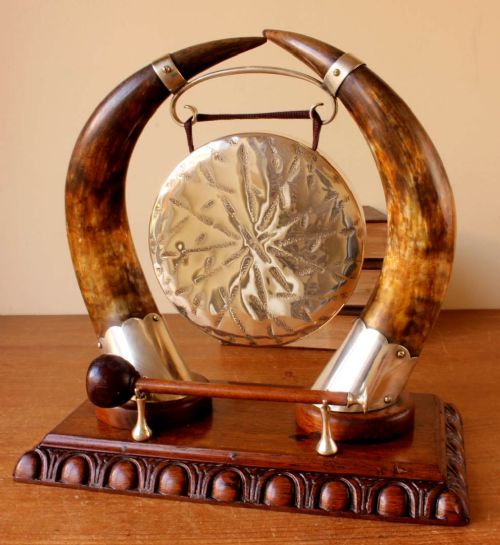
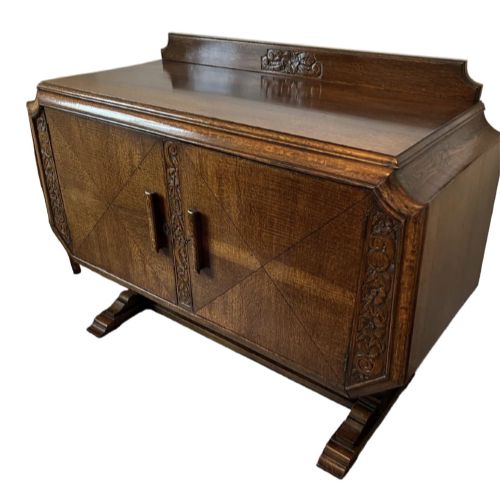
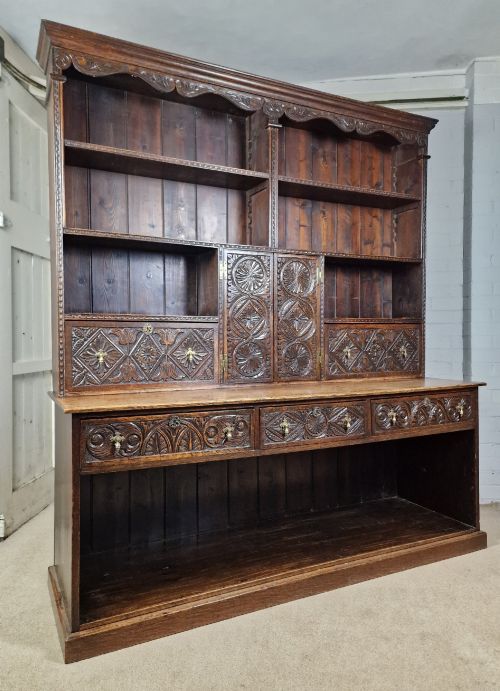
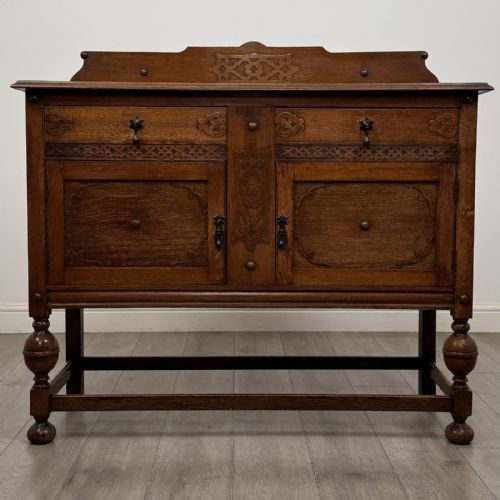
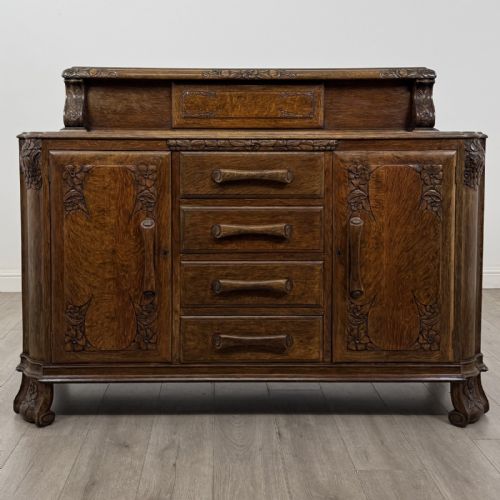
The selections here most frequently include Edwardian and 1930s examples, ranging from golden oak cabinets with raised galleries to carved Arts and Crafts designs. Alongside standard sideboards, the forms stretch to dresser bases, dumbwaiters, and compact pedestal formats suited to varying interior layouts.
Stylistic influences across the listings draw on Jacobean revival, Art Deco, and English country traditions. This mix provides both heavily carved historical revivals and cleaner geometric lines from later periods.
What varies in quality
Proportion and decorative restraint distinguish finer examples from standard utility items. Well-executed details such as panelled doors, integral galleries, and substantial brass hardware elevate the visual weight and longevity of the furniture.
Vintage Oak Dining Sideboard Retail Price Guide 2026
Typical asking prices for vintage oak dining sideboard among the pieces listed under this phrase on Sellingantiques today, from the lower quarter to the upper quarter. They describe what is for sale here now, not the wider market.
Keep an eye out for carved green man faces peering from the woodwork, silently supervising your dining room meals.
Heals of London·Maple and Co·Gomme
The Vintage Oak Dining Sideboard Glossary
- Dresser base
- A low wooden sideboard or cabinet featuring drawers and cupboards, traditionally used in dining rooms or kitchens for serving food.
- Gallery
- A raised wooden or metal rim around the top edge of a sideboard, designed to prevent items from sliding off.
- Barley-twist
- A decorative turning technique resembling a twisted rope, commonly found on the legs and supports of Edwardian and revival furniture.
- Pollard oak
- Oak timber taken from trees that have been pollarded, producing a dense wood with characteristic clustered knots and intricate figuring.
- Enfilade
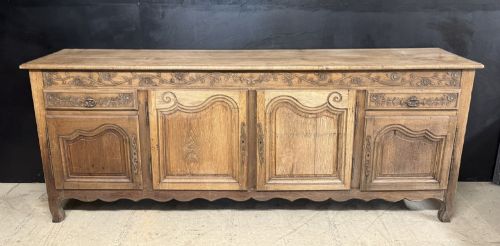
- A suite of rooms or a long sideboard format with a linear arrangement of cabinets, often associated with French dining furniture.
Vintage Oak Dining Sideboard: Frequently Asked Questions
How do I choose the right size?
Measure your dining room wall space carefully, allowing clearance for doors and drawers to open fully. Consider the height of any mirror or gallery back to ensure it clears windows or artwork.
Larger dresser bases suit spacious rooms, while compact pedestal sideboards fit tighter layouts without dominating the floor space.
What periods do these sideboards come from?
The pieces span the late nineteenth century through to the 1930s, encompassing Victorian, Edwardian, and Art Deco eras. Revival styles such as Jacobean and Carolean also feature strongly.
Earlier examples often display heavy carving and dark finishes, whereas 1930s items favour lighter golden oak and cleaner geometric lines.
How should I care for oak furniture?
Keep the timber away from direct heat sources and strong sunlight to prevent the wood from drying out or splitting. Dust regularly with a soft, dry cloth to maintain the finish.
Apply a traditional beeswax occasionally to nourish the grain and protect the surface from everyday wear.
Are the handles original?
Many sideboards retain their original brass or metal handles, which show appropriate patination matching the age of the timber. Some pieces may feature period-appropriate replacements fitted during their working life.
Inspect the backplates and screw marks if matching hardware period is a priority for your collection.