


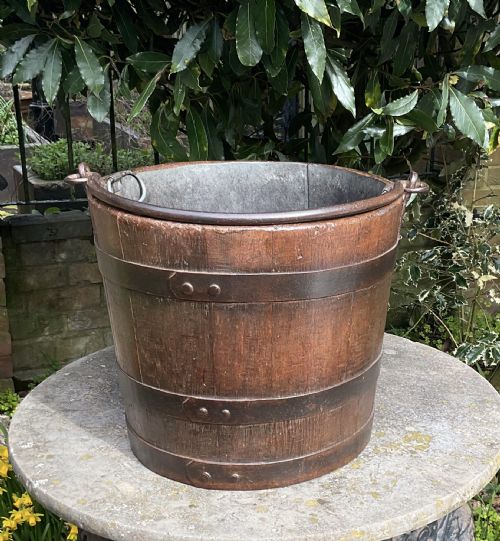


Vintage Oak Bucket
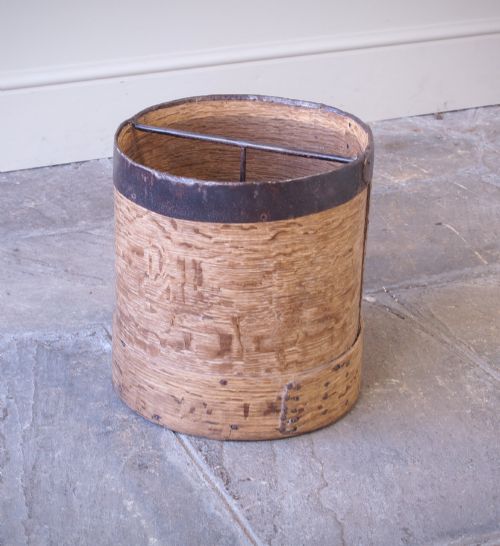
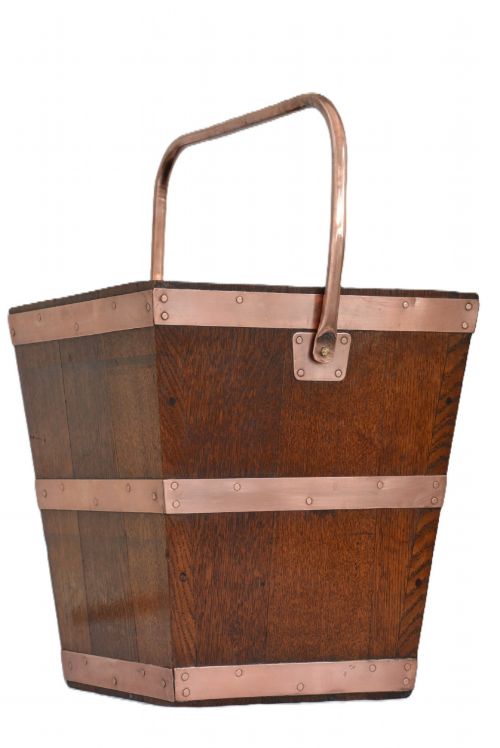
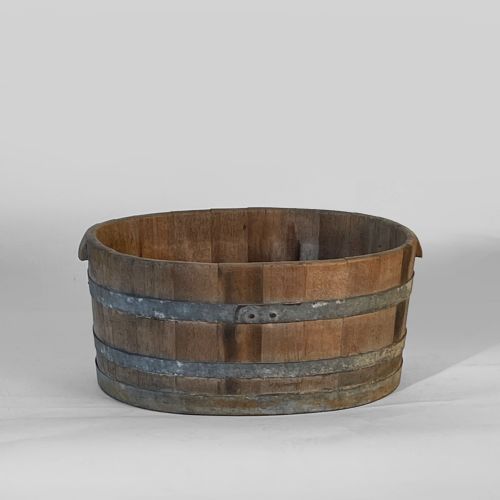
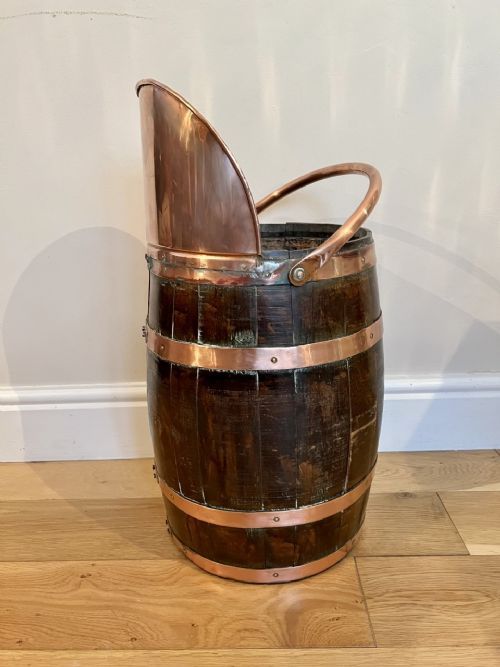
A vintage oak bucket brings solid timber and metal binding together into a sturdy container for logs, umbrellas or wine.
Vintage Oak Bucket
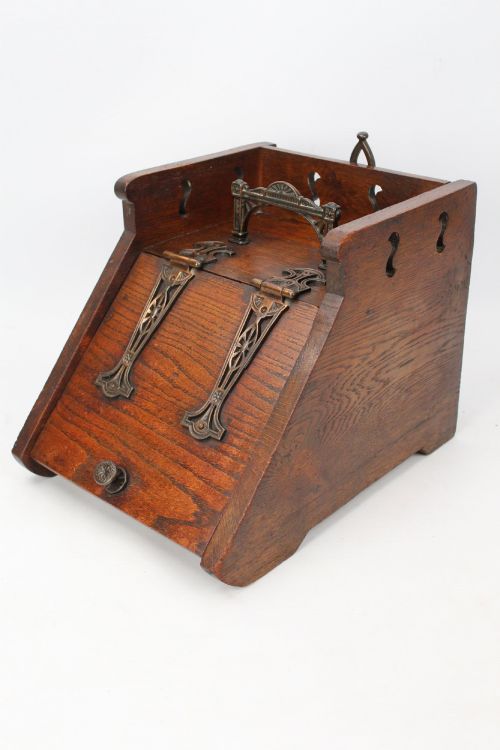
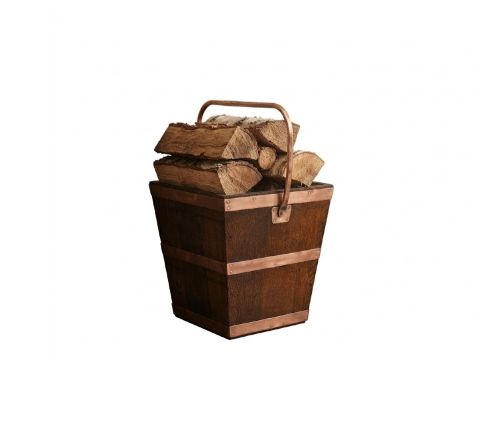
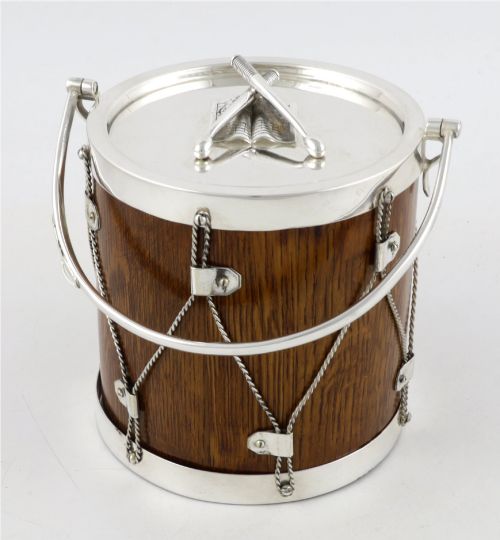
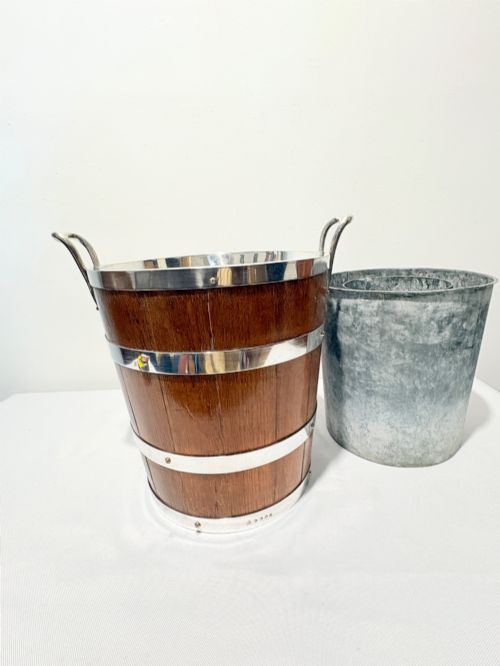
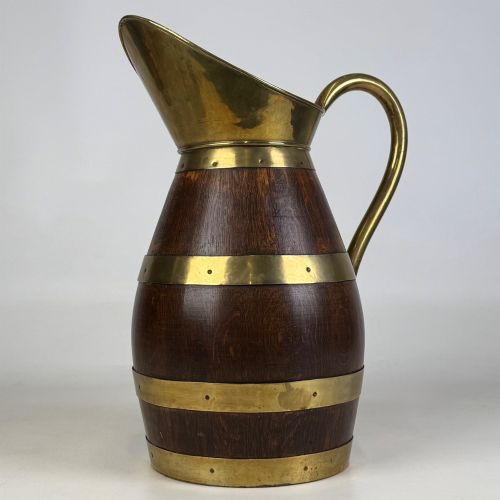
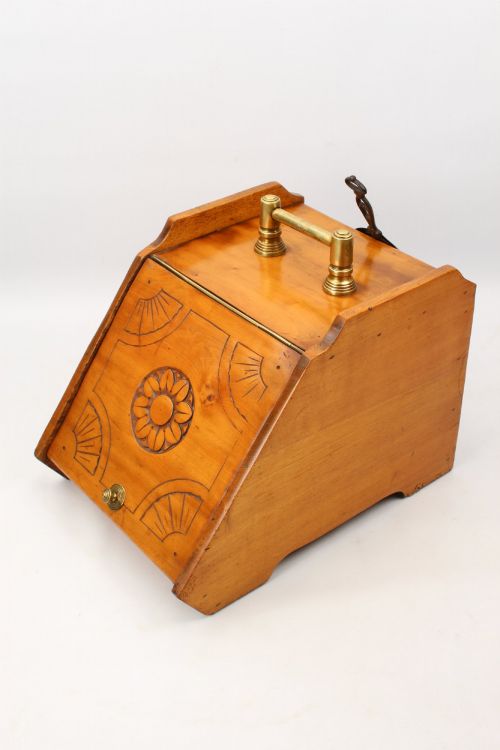
A vintage oak bucket spans utilitarian vessels made for everyday household tasks to refined items intended for the hearth or dining room. The listings show forms ranging from coal scuttles and peat buckets to wine coolers, umbrella stands and garden planters.
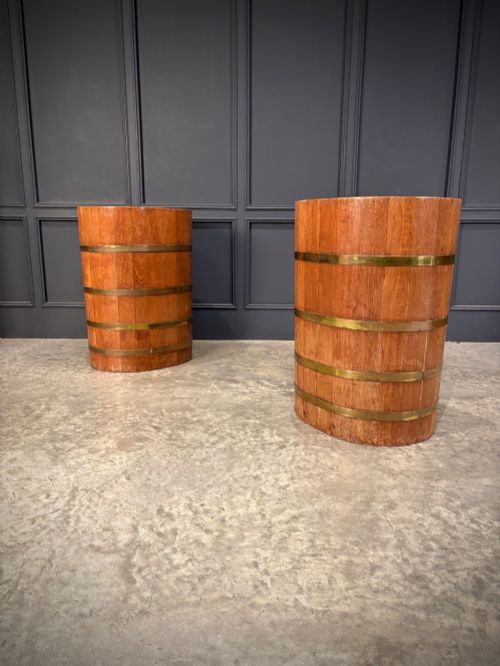
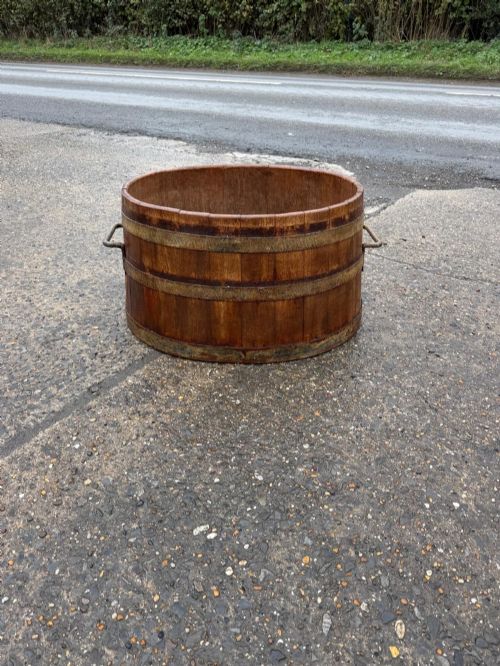
The most common versions on this page are coopered vessels built with wooden staves held tightly by metal bands. These pieces draw on Victorian, Edwardian and Georgian periods, alongside rustic farmhouse and traditional English styles.
Materials and construction methods
Makers built these vessels primarily from solid oak staves shaped by hand and joined using the traditional craft of cooperage. This technique allowed wood to expand and contract naturally while retaining liquids or dry goods safely inside.
Metal bands made from brass, copper, iron or wrought iron provide structural tension around the wooden staves. Many examples also feature internal ceramic creamware liners, silver-plated mounts or swing handles for practical use.
Vintage Oak Bucket Retail Price Guide 2026
Typical asking prices for vintage oak bucket among the pieces listed under this phrase on Sellingantiques today, from the lower quarter to the upper quarter. They describe what is for sale here now, not the wider market.
Certain antique wooden containers served the very specific historical purpose of quietly collecting leftover wine dregs from the dining table.
Assessing quality in construction
The distinction between ordinary utility items and superior examples lies in the tightness of the coopered joints and the weight of the metal bindings. Fine specimens maintain their structural integrity without excessive shrinkage between the staves.
Detailing such as hand-beaten brass bands, crisp armorial crests or original ceramic liners elevate a piece above standard workshop production. The balance of the timber grain and the patination accumulated through age mark the better survivors.
The Vintage Oak Bucket Glossary
- Coopered
- Constructed from curved wooden staves bound together with hoops of metal or wood, much like a traditional barrel. This method creates a strong vessel without the need for glue.
- Purdonium
- A specialised Edwardian coal box or scuttle designed to store fuel neatly beside the fireplace. These often include a hinged lid and a drop-down front for easy access.
- Jardiniere
- An ornamental pot or stand designed to hold plants and flowers indoors. They frequently appear in coopered oak with protective metal linings.
- Treen
- Small handmade wooden household objects created before the widespread use of plastics. Examples include turned containers and vessels intended for specific domestic tasks.
- Armorial crest
- A heraldic design representing a family or institution, sometimes painted or carved onto historical items. These markings indicate official provenance.
Vintage Oak Bucket: Frequently Asked Questions
What were oak buckets originally used for?
Historic oak buckets served practical domestic functions around the house and estate. They carried coal to firesides, water from wells, and grain for livestock.
Finer versions held ice, wine or champagne at the dining table. Others functioned as umbrella stands in hallways or washing tubs in utility rooms.
How do I date an antique oak bucket?
Dating relies on construction techniques, metal types and stylistic clues from the period. Georgian and Victorian examples often feature hand-forged iron or heavy brass bands alongside distinct patination.
Edwardian and later pieces frequently incorporate silver plating and fitted ceramic liners. Examining the tool marks on the timber staves helps determine the approximate age.
Can I use an old oak bucket for plants?
Many of these vessels function well as planters or jardiniere stands for indoor greenery. Original metal or ceramic liners protect the wooden staves from damp soil and moisture.
If a piece lacks an inner liner, placing a modern plastic pot inside prevents water damage to the historic timber.
How do I care for vintage oak timber?
Maintaining oak furniture involves keeping pieces away from direct heat sources and sudden temperature fluctuations. These conditions cause the wood to dry out and the staves to shrink.
Applying a light application of beeswax occasionally helps nourish the grain and preserve the surface finish without building up heavy residue.