






Vintage Oak Bed Frame
These vintage oak bed frames combine sturdy timber construction with distinctive period character, offering durable centrepieces for traditional and contemporary bedrooms alike.
Vintage Oak Bed Frame
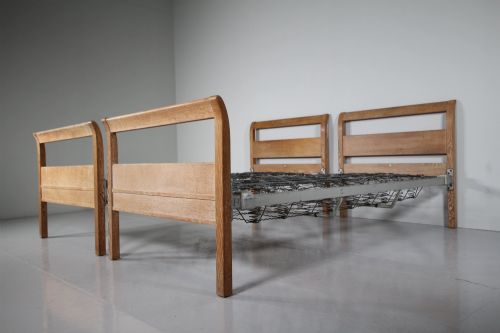
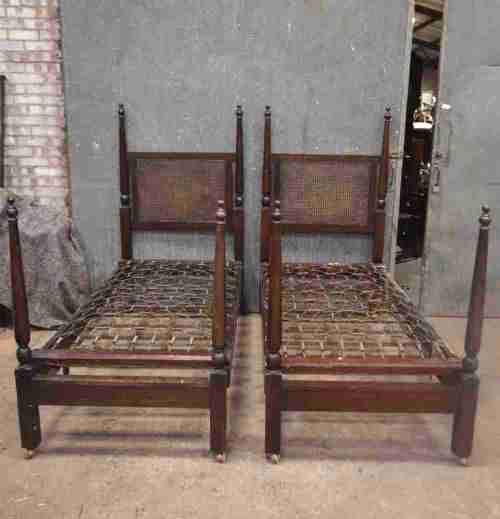
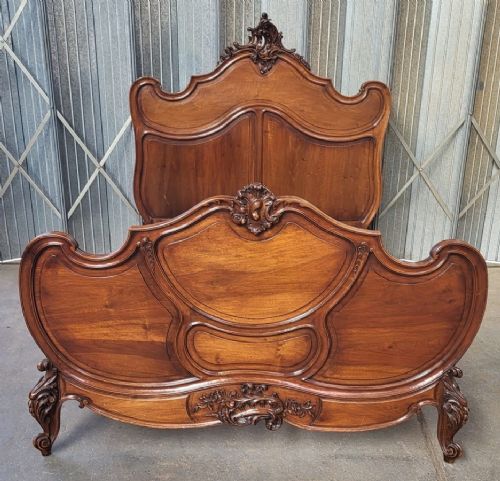
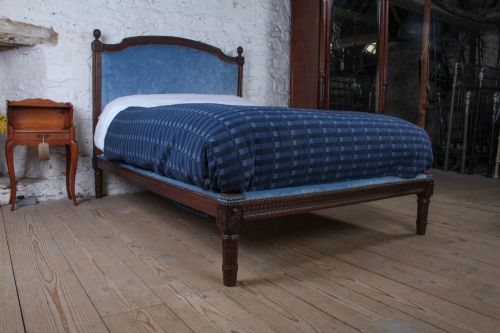
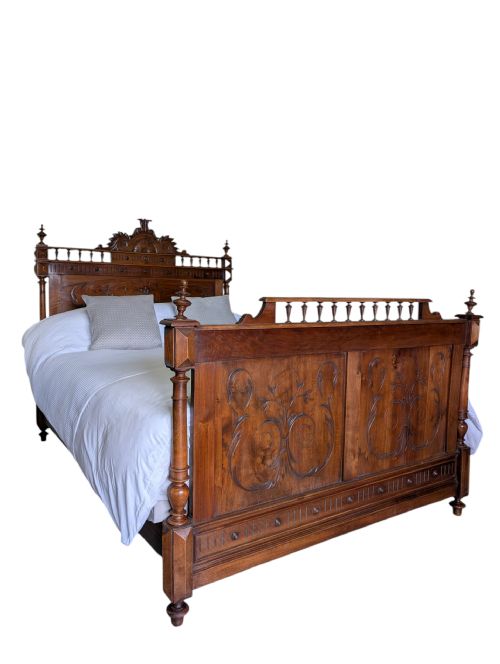
A vintage oak bed frame provides a robust sleeping structure rooted in early twentieth-century and nineteenth-century design traditions. When you search for a vintage oak bed frame, you encounter formats ranging from single models and compact small doubles to expansive king-size and four-poster constructions.
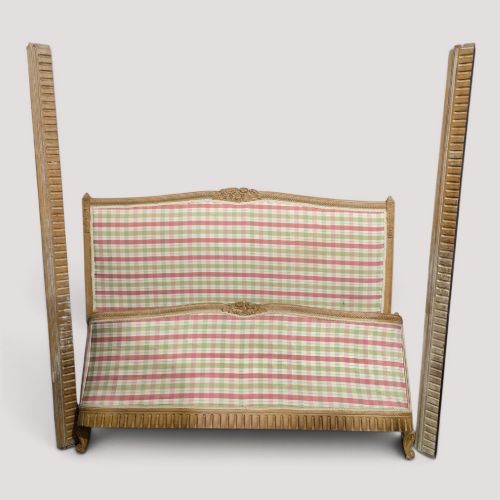
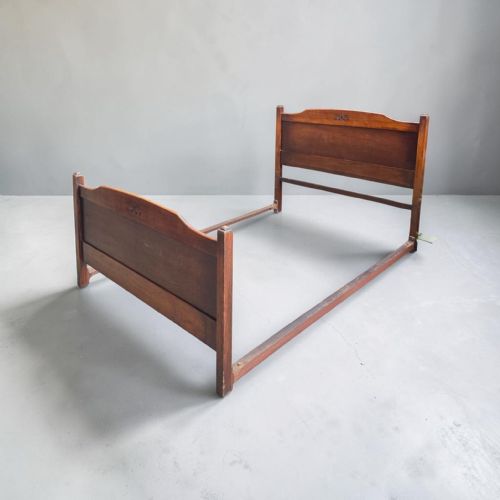
The selections on this page heavily feature British Arts and Crafts workmanship alongside Edwardian panelled bedsteads and French-influenced styles. Makers such as Heal and Son and Gordon Russell appear across the listings, alongside rustic interpretations and miniature doll examples.
Sizes vary significantly, accommodating single sleepers through to large double and king configurations. Many retain original maker labels or reflect specific stylistic movements like Art Deco and Louis XVI.
What varies in quality
Quality separates standard utilitarian sleeping platforms from exceptional pieces through the calibre of the timber selection and the depth of hand-carved ornamentation. The integration of maker documentation, such as original metal or paper labels from firms like Heal and Son, elevates collector interest.
Structural integrity depends upon the preservation of the original joinery and the condition of the timber grain across large panelled surfaces. Refinishing choices, such as sensitive liming or period bleaching, also influence how faithfully a piece retains its historical aesthetic.
One listed item is a large-scale Edwardian miniature doll's bed, proving that even miniature sleepers required proper joinery.
Heals·Heal and Son·Gordon Russell
The Vintage Oak Bed Frame Glossary
- Arts and Crafts
- A design movement prioritising traditional craftsmanship, simple forms, and visible construction methods. Pieces from this tradition often display honest joinery and minimal surface decoration.
- Bergere
- A closed upholstered armchair or bed headboard featuring cane panelling. This technique creates a lighter visual texture within solid timber frameworks.
- Limed oak
- A wood finishing technique where a whitish or pale pigment is rubbed into the open pores of the grain. This treatment produces a lighter, softened surface tone popular in mid-century and earlier modern design.
- Four poster
- A bed featuring four vertical columns that support an upper tester or canopy framework. These grand structures showcase prominent turning and carving.
- Bedstead
- A framework of a bed holding the mattress and springs, distinct from the bedding itself. Historic examples often include integrated wooden headboards and footboards.
Vintage Oak Bed Frame: Frequently Asked Questions
How do I identify an Arts and Crafts oak bed?
Arts and Crafts frames display honest construction methods, straightforward timber grain, and minimal reliance on heavy revivalist ornamentation. They often feature clean vertical lines and sturdy rectangular posts.
Look for pegged joints and unadorned panels that highlight the natural qualities of the oak rather than applied surface decoration.
Are vintage oak beds suitable for modern mattresses?
Many vintage frames accommodate standard modern mattress sizes, though historical dimensions can vary slightly from contemporary standards. It is sensible to check the internal width and length measurements before sourcing a mattress.
Some single and double frames may require custom slat positioning or minor adaptations to support modern pocket-sprung bases safely.
What is the difference between limed oak and bleached oak?
Liming involves working a white pigment into the open pores of the wood grain to create a contrasting, softened surface texture. Bleaching chemically lightens the natural tone of the timber across the entire surface.
Both finishes were utilised in different periods to achieve a paler appearance than raw brown oak.
How do I care for a polished oak bed frame?
Maintain polished oak by dusting with a soft, dry cloth and avoiding silicone-based polishes that build up residue over time. Feed the timber periodically with appropriate beeswax to nourish the grain and protect the finish.
Keep the frame away from direct heat sources and strong sunlight to prevent the timber from drying out or splitting.