





Carved Oak Double Bed
A carved oak double bed grounds a bedroom with centuries of honest grain and hand-chiselled depth.
Carved Oak Double Bed
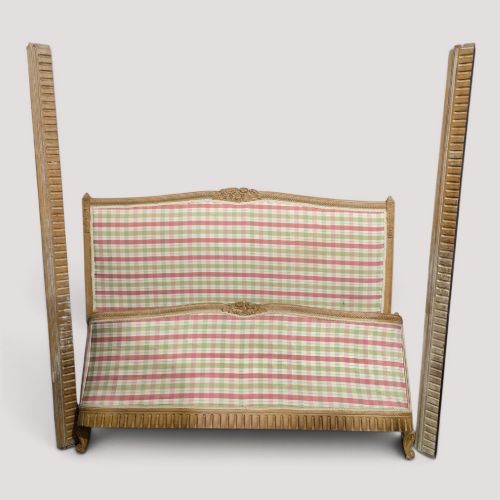
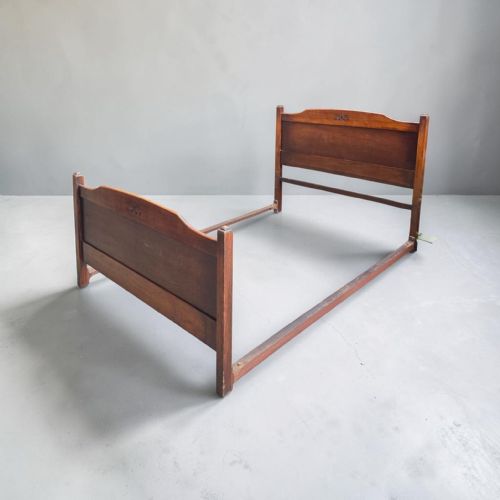
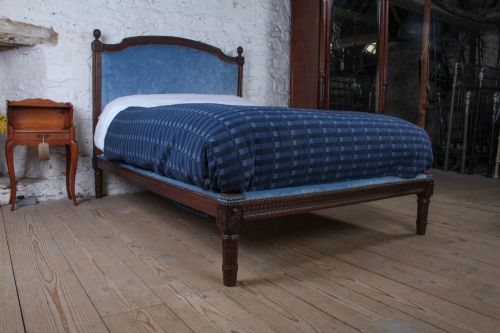
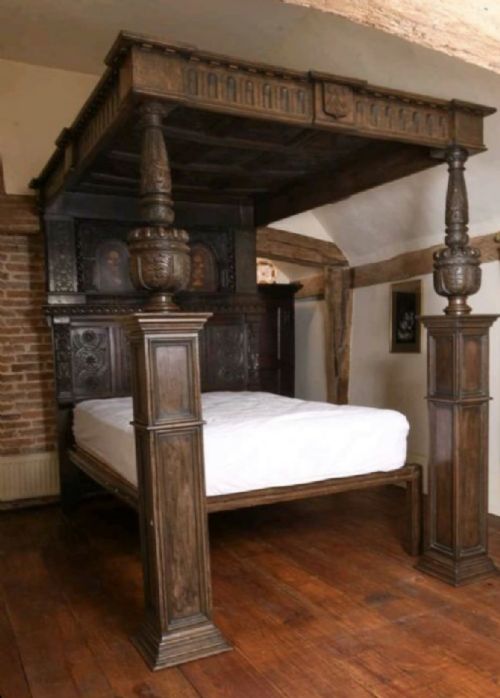
A carved oak double bed brings together robust structural timber and elaborate decorative panels spanning from the seventeenth century through to the Edwardian era and the nineteen-thirties. Buyers searching for a carved oak double bed encounter heavy four-poster tester frames from the seventeen-hundreds alongside lighter nineteenth and twentieth-century French provincial and Breton models.
The selection ranges from tall seventeenth-century joined timber constructions to low-end Edwardian and early twentieth-century French chateau styles. Many pieces show regional European influences, including French Provençal and Breton marriage beds featuring panelled headboards and footboards.
These bedsteads serve as the physical anchor of a sleeping chamber, combining substantial timber posts with decorative mouldings and carved motifs. The forms vary from monumental tester beds to open framework double and king-size beds designed to accommodate standard modern mattresses.
Distinctions in craftsmanship and depth
The hierarchy of quality rests upon the crispness and depth of the hand-carving rather than the mere presence of decoration. Superior examples display sharp undercut relief work and harmonious proportions across the headboard and posts, whilst lesser pieces rely on shallow, machine-routed patterns.
Integrity of the original timber framing and the preservation of authentic surface patination define the upper tier of survivals. Frames that retain their original structural joinery without excessive timber replacement hold a distinct advantage over heavily restored or altered counterparts.
Several Breton marriage beds proudly display carved wooden spoons on their headboards as traditional symbols of domestic prosperity.
The Carved Oak Double Bed Glossary
- Tester
- A wooden canopy or soundboard supported by the corner posts of a bed frame. It traditionally projected over the sleeping area to hold curtains.
- Marriage bed
- A regional European bedstead, often heavily carved with domestic or agricultural motifs, commissioned or acquired to celebrate a wedding.
- Limed wood
- Timber treated with a specialised pickling finish that highlights the open grain by leaving a pale pigment behind in the pores.
- Barley twist
- A turned wooden furniture component carved in a spiral resembling a twisted rope. It was popular in seventeenth-century joinery and revived during the Edwardian period.
- Low-end bed
- A bed frame featuring a low footboard that does not obstruct the view of the mattress or the room beyond.
Carved Oak Double Bed: Frequently Asked Questions
How do I fit a modern mattress?
Many historical frames require minor internal adjustments or custom slat supports to hold standard contemporary mattress dimensions safely.
Checking the internal width and length between the side rails before purchase ensures proper alignment with your chosen mattress size.
Are these beds easy to assemble?
Most antique wooden bed frames utilise traditional slot-in iron brackets, bolts, or pegged mortise and tenon joints for assembly.
Having two people manage the heavy headboards and side rails makes putting the structure together straightforward.
How do I care for carved oak?
Regular dusting with a dry, soft cloth prevents particulate buildup in the recessed areas of the hand-carved panels.
Applying a traditional beeswax polish occasionally maintains the natural lustre of the timber without building up a heavy, cloudy film.
How can I tell the period?
Examining the joinery style, tool marks, and overall proportions helps differentiate seventeenth-century joined timber from later nineteenth-century revival pieces.
Heavier peg construction and deep geometric or figural reliefs typically point towards earlier eras, whilst machine-cut screws indicate twentieth-century production.