





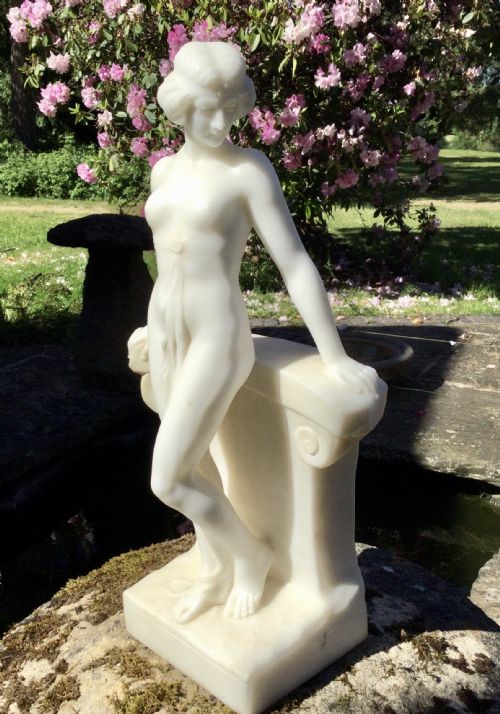

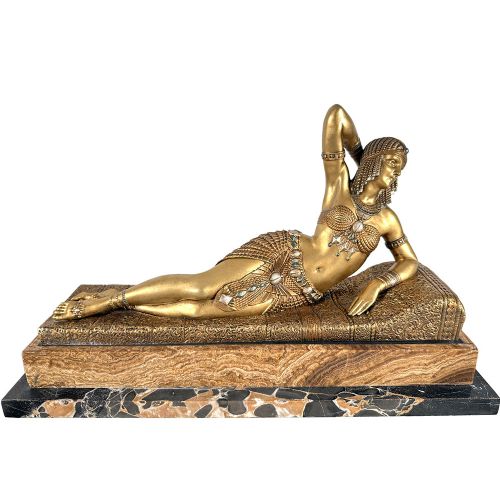



Vintage Nude Sculpture
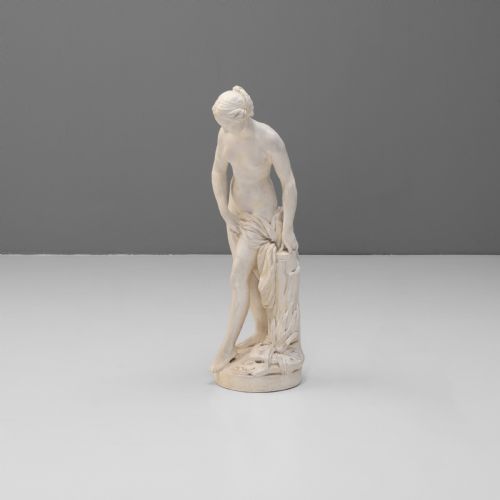
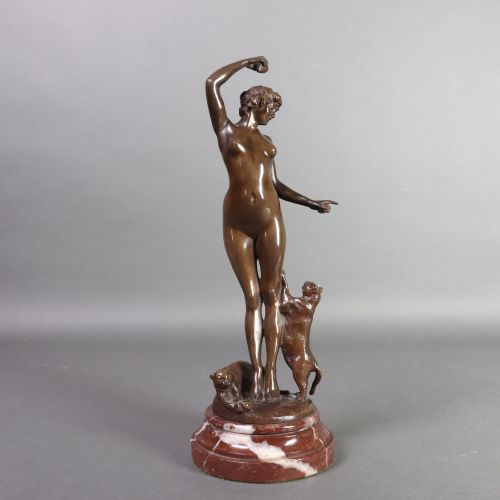
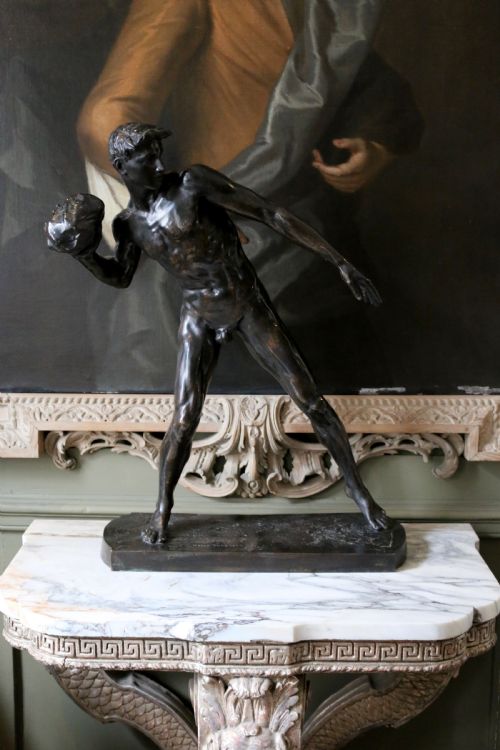
These vintage nude sculpture pieces capture the human form in bronze, marble, and terracotta from the nineteenth and early twentieth centuries.
Vintage Nude Sculpture
When you examine a vintage nude sculpture, you encounter figures cast in metal, carved from stone, or moulded in ceramic from the late nineteenth century through to the Art Deco period. These works range from grand nineteenth century classical revivals and Grand Tour souvenirs to stylised dancers from the nineteen-thirties.
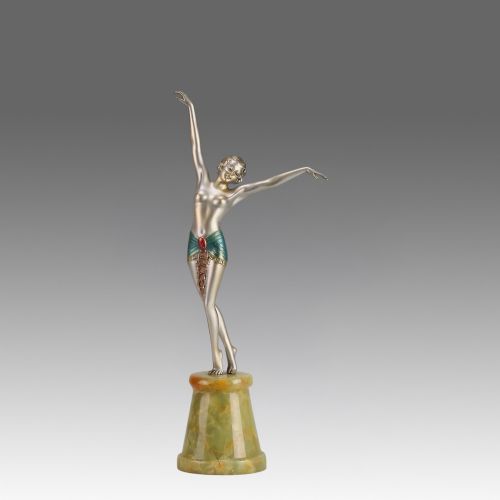
You are most likely to meet Art Deco bronze and spelter figures mounted on marble bases, alongside nineteenth century bronze reductions after antique models. The subjects span mythological figures, dancers, athletes, and allegorical studies.
The material vocabulary of these pieces extends from traditional marble and bronze to cold-painted surfaces, ivory alternatives, opalescent glass, and carved limewood.
How they were made
Metal figures were typically produced using the lost-wax casting method, allowing for intricate detail in hair, drapery, and musculature before being finished with patination, cold-painting, or gilding. Spelter was frequently utilised as a more affordable alternative to bronze during the Art Deco era.
Stone and wood pieces rely on skilled hand carving, utilising materials such as fossil marble, white marble, alabaster, and limewood. Glass and ceramic examples employ mould-pressing and kiln-firing techniques, seen in opalescent glass statuettes and majolica figures.
Vintage Nude Sculpture Retail Price Guide 2026
Typical asking prices for vintage nude sculpture among the pieces listed under this phrase on Sellingantiques today, from the lower quarter to the upper quarter. They describe what is for sale here now, not the wider market.
One enthusiastic Victorian sculptor clearly decided that even frogs deserved the royal treatment when casting a human-scaled amphibious prince.
What varies in quality
Base integration also signals quality, where genuine variegated marble or onyx supports heavy metalwork securely, complementing the proportions of the central figure rather than serving as a heavy distraction.
Ferdinand Preiss·Josef Lorenzl·Hamo Thornycroft·Sibylle May·Demetre Chiparus·Lucille Sevin·Maurice Guiraud Riviere·Hans Müller·Pierre Le Faguays·Paul de Boulogne·Royal Dux·Ugo Cipriani·C Neuhaus·Bruno Zach
The Vintage Nude Sculpture Glossary
- Cold-painted bronze
- A technique where bronze figures are painted with oil or enamel paints after casting, rather than chemically patinated by heat. This finish is vulnerable to chipping if handled roughly.
- Grand Tour
- A nineteenth century practice where wealthy travellers collected bronze reductions of classical antiquities as souvenirs of their travels through Italy. These miniature sculptures often stood on marble plinths.
- Spelter
- A zinc alloy frequently used as a cost-effective substitute for bronze in decorative figures, particularly during the Art Deco period. It is softer and lighter than bronze.
- Lost-wax casting
- A process where a metal sculpture is cast from an original model by encasing it in wax, melting the wax away, and pouring molten metal into the cavity. This method permits complex undercut details.
- Patination
- The chemical treatment applied to the surface of a bronze sculpture to alter its colour and protect the metal. Patinas range from deep brown and black to verdigris green.
Vintage Nude Sculpture: Frequently Asked Questions
What periods do these sculptures cover?
The pieces span from the nineteenth century through the Belle Epoque and Art Deco movements up to the nineteen-thirties. You will find nineteenth century classical revivals alongside stylised interwar modernist figures.
Most examples cluster around the turn of the century and the nineteen-twenties and thirties.
How do I distinguish bronze from spelter?
Bronze is heavier, denser, and colder to the touch than spelter, with a durable metallic structure underneath the patina. Spelter is a softer zinc alloy that often shows a greyish metal underneath worn painted surfaces.
Bronze also rings with a clearer note when tapped gently compared to the duller thud of spelter.
Where were these figures originally displayed?
In the nineteenth century, grand bronze reductions and marble figures adorned libraries, studies, and drawing rooms as markers of classical education and taste. Art Deco figures later occupied mantelpieces, sideboards, and even automobile radiator caps.
They functioned primarily as decorative interior art designed to catch the eye in domestic spaces.
How should I care for a cold-painted bronze?
Cold-painted surfaces require dusting with a soft, dry brush only, avoiding any chemical cleaners or water that might dissolve the delicate oil or enamel paints. Keep them away from direct sunlight to prevent the colours from fading.
Marble and stone bases can be wiped gently with a slightly damp cloth, ensuring no moisture reaches the metal figure.