




Vintage Nude Figurine
A vintage nude figurine captures the human form through the lens of changing decades, offering sculptural elegance for a mantelpiece or desk.
Vintage Nude Figurine
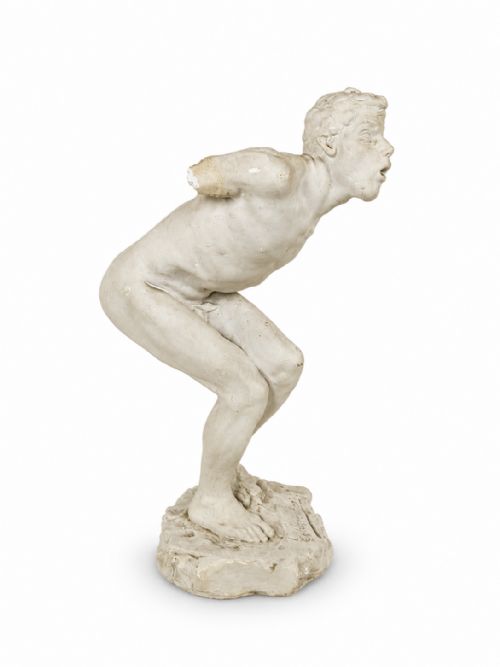
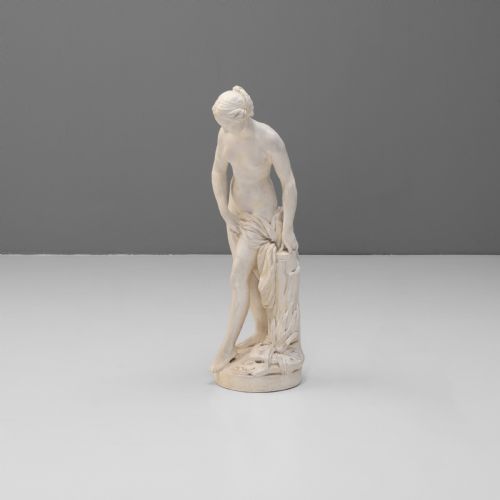
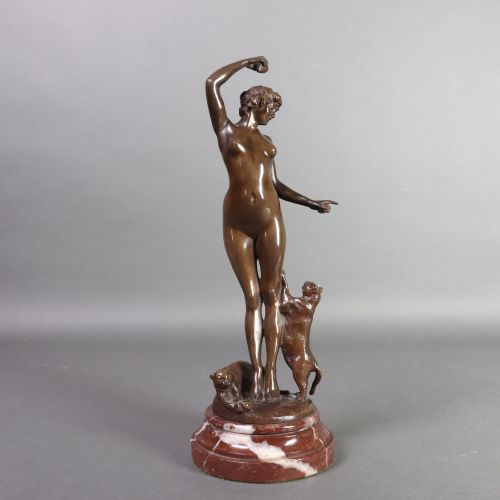
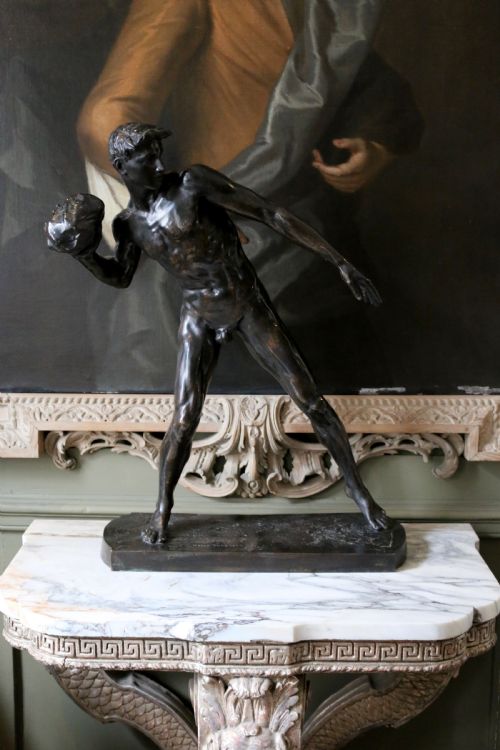
When searching for a vintage nude figurine, you encounter sculptural works spanning the nineteenth century through the Art Deco period of the 1930s. These pieces range from classical studies and Grand Tour souvenirs to stylised dancers and mythological figures.
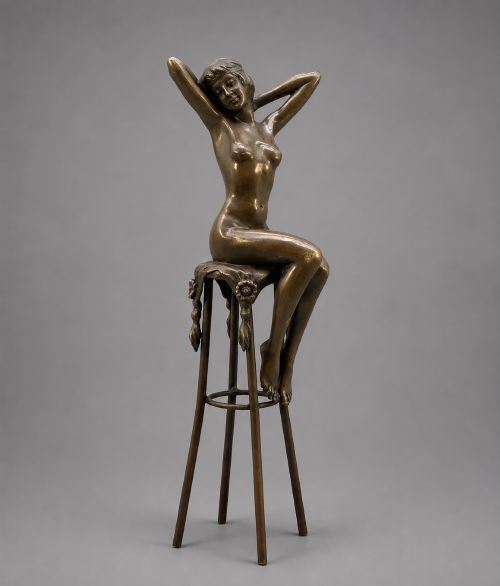
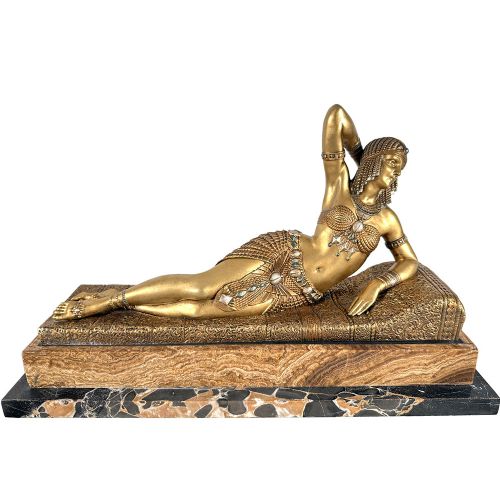
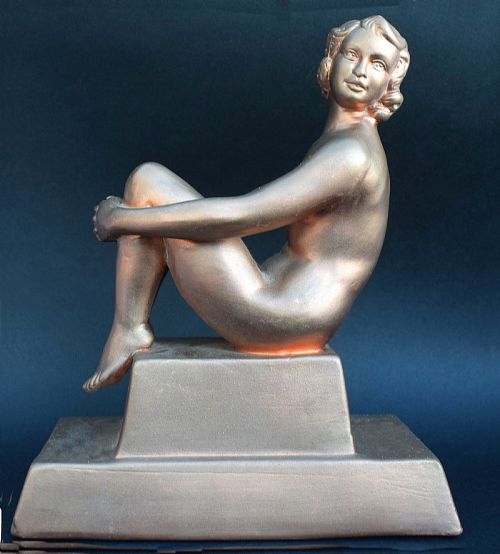
The most common examples on this page are Art Deco bronzes and spelter figures from the 1920s and 1930s, often depicting female dancers or bathers. Makers and sculptors of the period rendered the human form in reclining, sitting, or active poses.
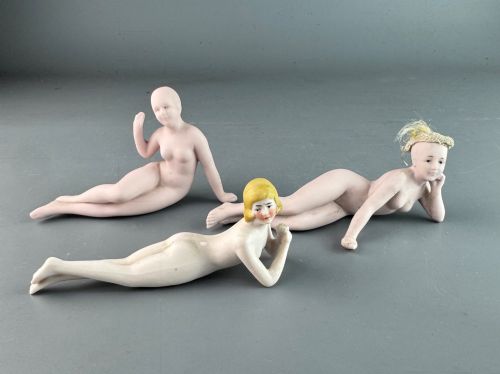
Earlier works lean towards nineteenth-century academic realism, Victorian new sculpture, and Neoclassical themes, including reductions of ancient bronzes. You also find table lamps, car mascots, and small-scale porcelain or terracotta statues.
Materials and Technique
Foundry bronze stands as the primary metal medium, cast using traditional techniques and finished with cold-painting or chemical patination to create deep tones. Spelter and patinated metal serve as more accessible alternatives found in many twentieth-century figures.
Sculptors combined metals with carved stone bases, mounting bronze and gilt figures on plinths of green or black marble and onyx. Other pieces utilise traditional media such as terracotta, porcelain, alabaster, limewood, and cast glass.
Surface treatments define the aesthetic, from the delicate hand-applied cold-painting on dancer figures to the smooth polish of marble and the matte biscuit finish of ceramics.
Vintage Nude Figurine Retail Price Guide 2026
Typical asking prices for vintage nude figurine among the pieces listed under this phrase on Sellingantiques today, from the lower quarter to the upper quarter. They describe what is for sale here now, not the wider market.
At least one bronze lady is captured mid-swing with a riding crop, proving dignity is optional when the sculptors of the 1920s got to work.
Distinctions in Quality
The harmony between the figure and its base matters greatly, particularly in Art Deco works where marble, onyx, and bronze are integrated. Original patination and genuine period cold-painting command greater appreciation than later touch-ups or overpainting.
Signatures and foundry marks tied to known sculptors elevate a piece, though unsigned works of the period still demonstrate high artistic merit through balanced proportions and fluid movement.
Ouillon Carrere·Gustave Dussart·Josef Lorenzl·Hamo Thornycroft·Sibylle May·Demetre Chiparus·Maurice Guiraud Riviere·Hans Müller·Pierre Le Faguays·Paul de Boulogne·Royal Dux·Ugo Cipriani·C Neuhaus·Bruno Zach·Gustav Adolf Daumiller
The Vintage Nude Figurine Glossary
- Cold-painted
- A method where paint is applied to a bronze object without heat firing, often resulting in delicate polychrome clothing or hair details on 1920s dancers.
- Spelter
- A zinc alloy used as an economical substitute for bronze in decorative figures, frequently patinated to imitate true bronze.
- Grand Tour
- Nineteenth-century bronze reductions of classical antiquities collected by travellers touring European cultural sites.
- Patination
- The chemical or natural colouration of a metal surface resulting from age or deliberate treatment by the artist or foundry.
- Biscuit
- Unglazed white porcelain fired to a matte, tactile finish resembling marble.
Vintage Nude Figurine: Frequently Asked Questions
How do I display a bronze figure?
Place figures away from direct sunlight and damp conditions to preserve the integrity of the metal patination and any stone bases. A stable surface at eye level allows the proportions and details of the sculptured form to be fully appreciated.
Ensure the piece is secure from accidental knocks, particularly taller statues or dancers with outstretched arms that may have a higher centre of gravity.
What is the difference between bronze and spelter?
Bronze is a durable copper and tin alloy capable of holding fine chisel work and complex casting details. Spelter is a softer zinc-based metal that feels lighter and often shows a coarser crystalline structure beneath worn areas of paint or patination.
Many Art Deco figures were cast in spelter as a cost-effective alternative to bronze while still achieving the desired decorative silhouette.
How can I tell the period of a sculpture?
Examine the stylistic cues, such as the rigid classical drapery of nineteenth-century works versus the geometric drapery and aerodynamic lines of 1930s Art Deco pieces. Materials also offer clues, as specific onyx bases and cold-painted finishes strongly point to the interwar decades.
Signatures, foundry stamps, and registration marks stamped into the metal or marble provide further chronological markers.
Were these figures meant to be functional?
Most pieces served purely decorative roles as mantel ornaments, cabinet sculptures, or desk accessories. However, some designs incorporated utility, such as table lamps with integrated figures or radiator cap mascots designed for automobiles.
Even functional items prioritized sculptural presence and artistic expression over domestic practicality.