


Vintage Norwegian Silver Gilt
Vintage Norwegian silver gilt brings together bright enamel work and precious metal, offering small wearable pieces and dining accessories that catch the eye.
Vintage Norwegian Silver Gilt
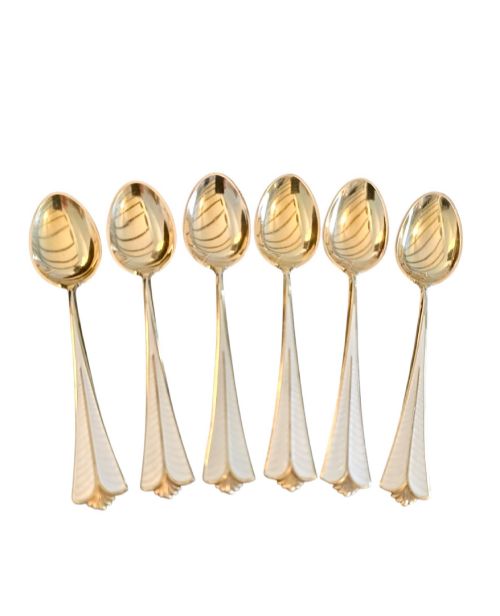
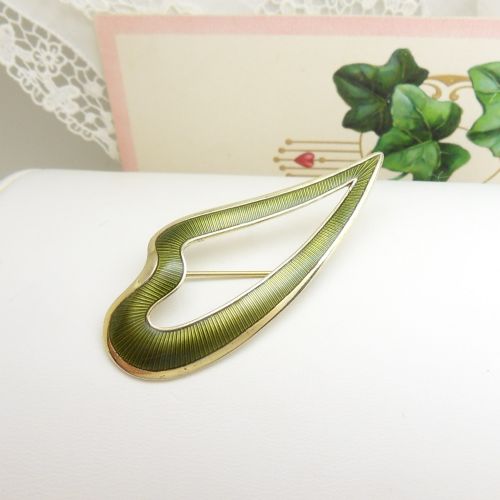
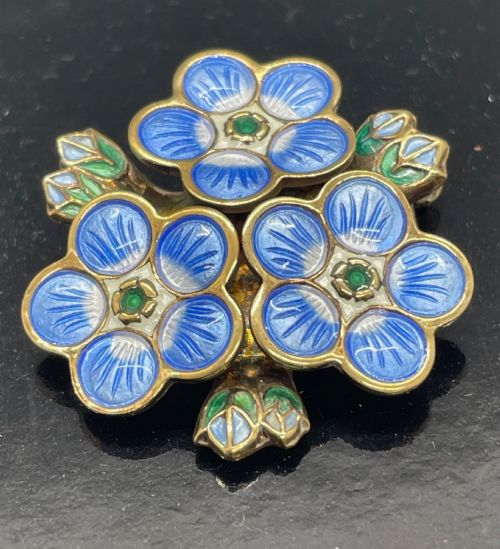
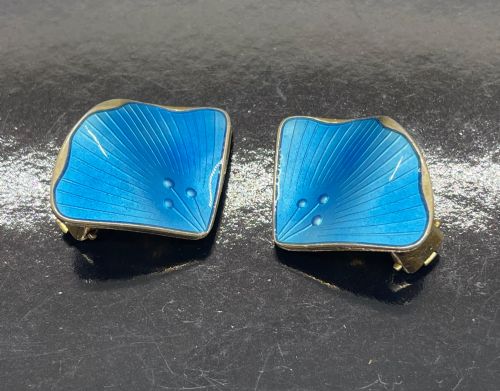
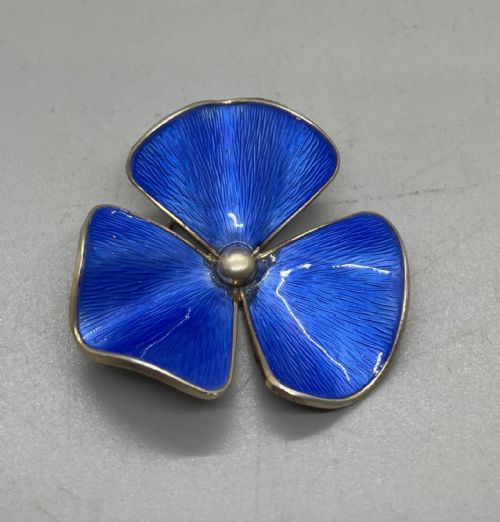
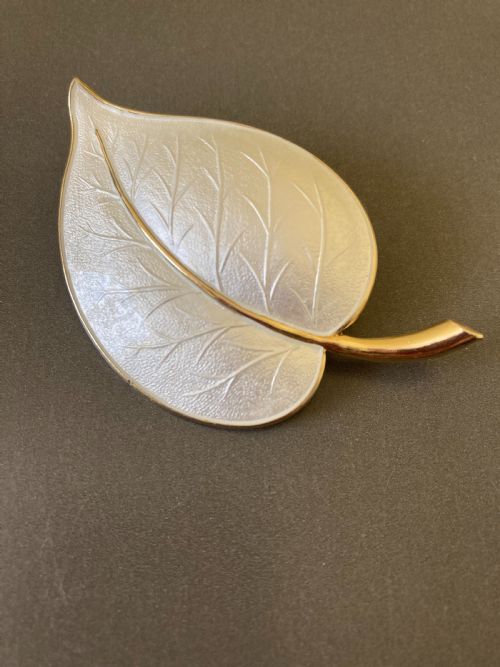
Vintage Norwegian silver gilt covers a range of decorative metalwork and jewellery produced across the twentieth century. These objects include brooches, earrings, napkin rings, caddy spoons, and teaspoons.
Buyers searching for vintage Norwegian silver gilt frequently encounter brooches featuring detailed enamel surfaces, alongside matching sets of teaspoons and individual napkin rings.
The objects span several distinct decades from the early nineteen-hundreds through the nineteen-sixties, representing periods such as Art Nouveau, Art Deco, and Mid-Century Scandinavian design.
How they were made
Makers shaped sterling silver and applied a gold wash, known as silver gilt or vermeil, over the metal base. This technique provided a rich golden surface that complemented the bright colours of the applied glass layers.
Craftsmen fused vitreous enamel to the metal through intense heat, often employing guilloche techniques to engrave geometric patterns beneath translucent coloured glazes. The interaction between the worked silver ground and the enamel created depth in each piece.
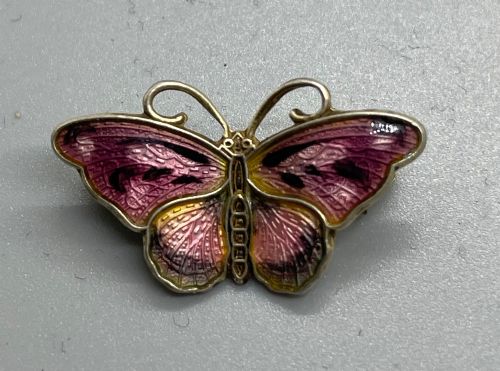
Butterflies emerge frequently in the enamel work, spreading bright blue and yellow wings across mid-century silver pins.
What varies in quality
Quality in these items rests upon the precision of the guilloche engraving and the clarity of the vitreous enamel. Finer pieces display crisp, even engine-turning beneath unblemished translucent colour.
The distinction between standard production and superior work lies in the hand-finishing of the silver gilt elements and the complexity of the enamel designs, particularly in naturalistic motifs like butterflies.
David Andersen·Aksel Holmsen·Hroar Prydz
The Vintage Norwegian Silver Gilt Glossary
- Silver gilt
- Sterling silver coated with a thin layer of gold. This finish adds a warm tone to the metal structure.
- Guilloche enamel
- A decorative technique where metal is engraved with repetitive patterns before translucent enamel is applied. The underlying design shows clearly through the coloured glass.
- Vitreous enamel
- Glass powder fused to a metal surface at high temperatures. It forms a hard, permanent coating of vibrant colour.
- Vermeil
- Another term for silver gilt, describing gold plating over sterling silver. The layer provides durability and a distinct golden appearance.
Vintage Norwegian Silver Gilt: Frequently Asked Questions
How do I date vintage Norwegian silver gilt?
Dating relies on stylistic markers and maker marks stamped into the silver base. Pieces shift from early twentieth-century Art Nouveau curves to mid-century modern geometry.
Changes in enamel palettes and fastening types also help assign pieces to specific decades between nineteen-ten and nineteen-sixty.
What is the difference between enamel and guilloche enamel?
Standard enamel applies coloured glass paste flatly across a prepared silver surface. It creates a smooth, opaque or translucent field of solid colour.
Guilloche enamel adds a mechanical engraving step beneath the glass layer. This cut pattern catches the light through the translucent glaze to form shimmering geometric textures.
How should I clean silver gilt items?
Silver gilt requires gentle care to protect the delicate gold wash and glass enamel. Warm water and mild soap applied with a soft cloth remove dust safely.
Harsh metal polishes and chemical dips strip away the gold layer and permanently dull the enamel surface.
What items were made in Norwegian silver gilt?
Workshops produced a variety of small personal accessories and tableware in these materials. Brooches and earrings formed a large portion of personal ornaments.
Tableware items such as napkin rings, caddy spoons, and teaspoons appeared singly or in fitted presentation cases.