


Vintage Clip on Earrings
Vintage clip on earrings bring together mid-century design, secure mechanics, and precious stones without requiring pierced lobes.
Vintage Clip on Earrings
When you search for vintage clip on earrings, you encounter items spanning the Victorian era through the 1960s, encompassing styles from Art Deco geometry to mid-century modern abstraction.
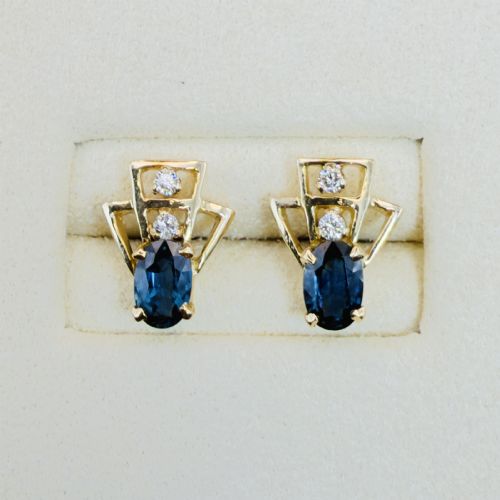
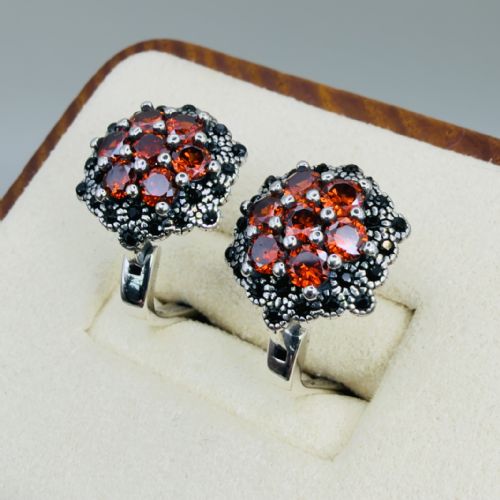
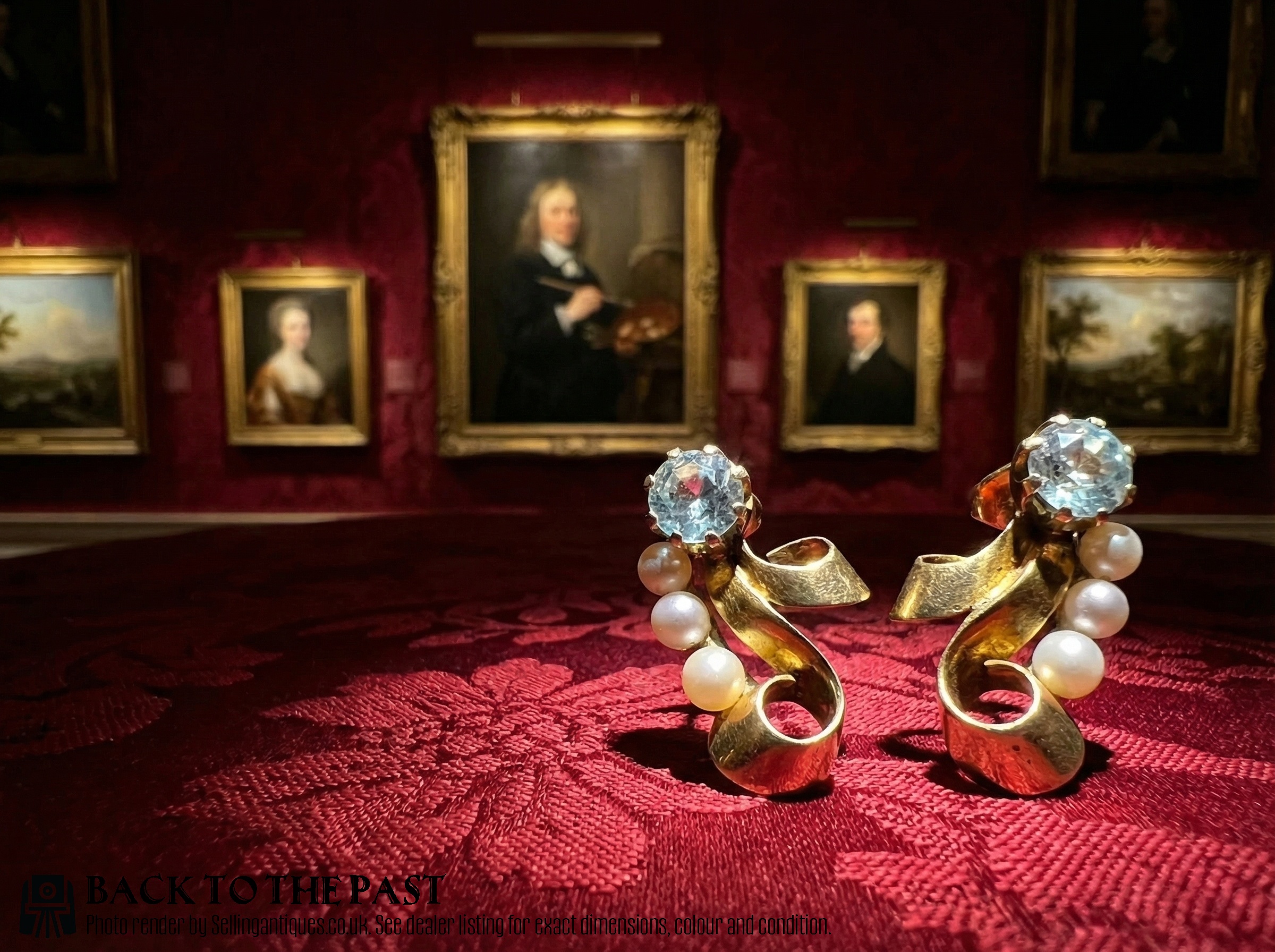
The selections most frequently met on this page combine precious metals like 18ct gold, white gold, and platinum with diamonds, pearls, sapphires, and garnets.
These items range from everyday screw-back button designs to substantial architectural clips by prominent makers housed in original presentation boxes.
How they were made
Goldsmiths utilised casting, stamping, and hand-setting techniques to secure diamonds and coloured gemstones into platinum, 18ct gold, and sterling silver frameworks.
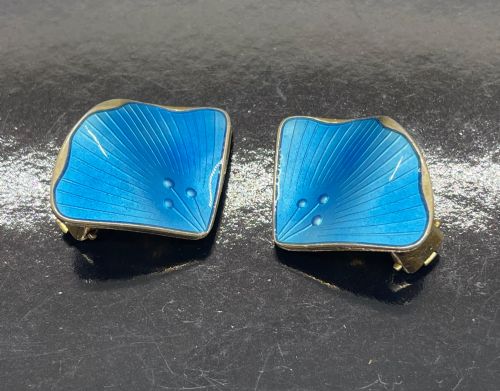
Enamelling techniques, particularly on silver gilt surfaces, created vibrant colour saturation in Scandinavian and Austro-Hungarian pieces.
Ear-fitting mechanisms relied on specialised hinges, screws, and omega backs engineered to provide comfortable pressure on unpierced lobes.
Vintage Clip on Earrings Retail Price Guide 2026
Typical asking prices for vintage clip on earrings among the pieces listed under this phrase on Sellingantiques today, from the lower quarter to the upper quarter. They describe what is for sale here now, not the wider market.
Materials span platinum, 18ct white gold, and sterling silver set with diamonds, pearls, and lapis lazuli across multiple decades.
What varies in quality
Quality rests in the precision of the metalwork, the matching and clarity of the set diamonds or gemstones, and the robust tension of the mechanical clips.
Superior examples display balanced proportions, substantial metal weight, and integrated fastening mechanisms that sit flush against the ear.
Maker attribution and the inclusion of original boxes elevate certain pieces, distinguishing standard production from exceptional design studio output.
Boucheron·Andrew Grima·Christian Dior·Cartier·Kutchinsky·Chanel
The Vintage Clip on Earrings Glossary
- Clip-on
- A fastening mechanism that secures an earring to the lobe via a hinged spring clip rather than a piercing post.
- Screw-back
- An adjustable mechanical fitting utilising a threaded screw to tighten the earring backing against the lobe.
- Omega back
- A curved clip shaped like the Greek letter omega, commonly found on mid-century designs to distribute pressure evenly.
- Silver gilt
- Sterling silver that has been coated with a thin layer of gold, frequently seen in Austro-Hungarian and Scandinavian pieces.
- Mabe pearl
- A cultured hemisphere pearl grown against the inside shell of an oyster, prized for large dimensions and domed profiles.
Vintage Clip on Earrings: Frequently Asked Questions
Are vintage clip on earrings comfortable to wear all day?
Comfort depends entirely on the specific mechanism and the adjustment of the tension. Well-designed omega backs and screw-backs distribute weight evenly across the earlobe.
Heavier statement pieces require proper fitting to prevent slipping or pinching during extended wear.
How do I distinguish mid-century clips from Victorian examples?
Mid-century pieces typically feature bold abstract forms, textured yellow gold, and omega backs originating from the 1950s and 1960s. Victorian items favour naturalistic motifs, closed-back settings, and early screw mechanisms.
Examining the metal alloy and gemstone cut provides further chronological clarity.
Can clip on earrings be converted for pierced ears?
Conversion is technically possible by removing the clip mechanism and soldering a post, but jewellers generally advise against altering signed or historical pieces. Alteration frequently diminishes collector value and destroys original maker integrity.
Many collectors prefer keeping the mechanisms intact to preserve historical authenticity.
What does silver gilt mean in antique jewellery?
Silver gilt describes sterling silver that has undergone fire gilding or electroplating with a fine layer of gold. This technique offered the warm appearance of solid gold while utilising silver as the structural base.
It occurs frequently in Austro-Hungarian and Scandinavian decorative items.