





Vintage Danish Jewellery
These vintage danish jewellery pieces are wearable statements of mid-century design, bringing sculptural silver and bright enamel straight to your collection.
Vintage Danish Jewellery
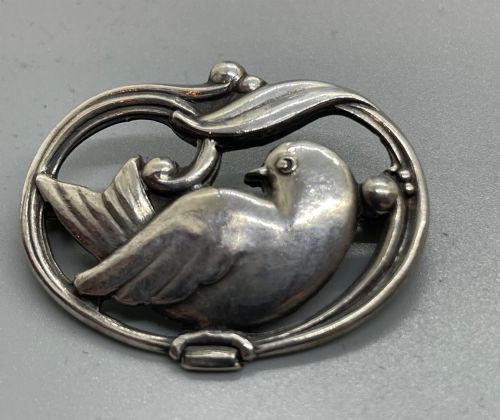
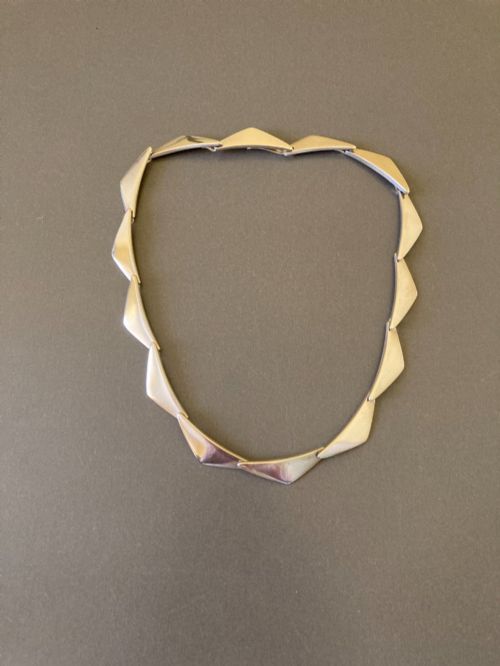
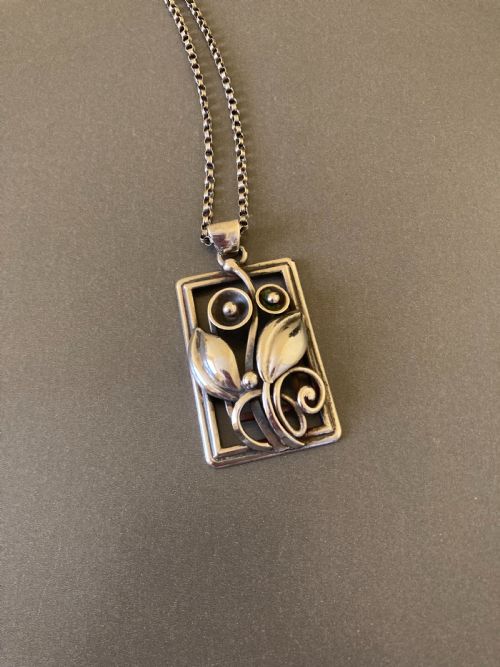
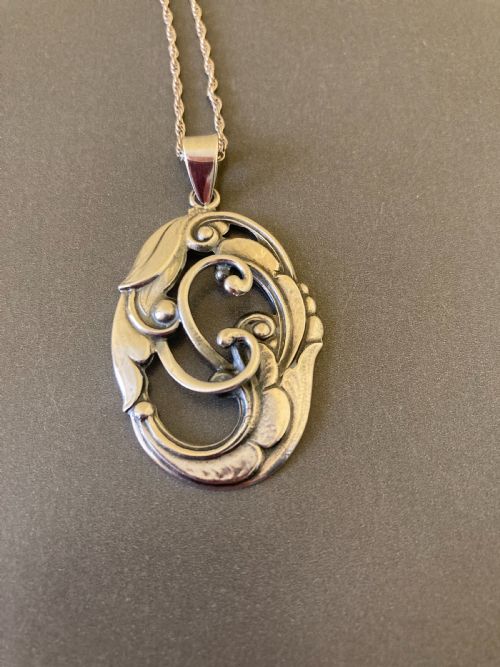
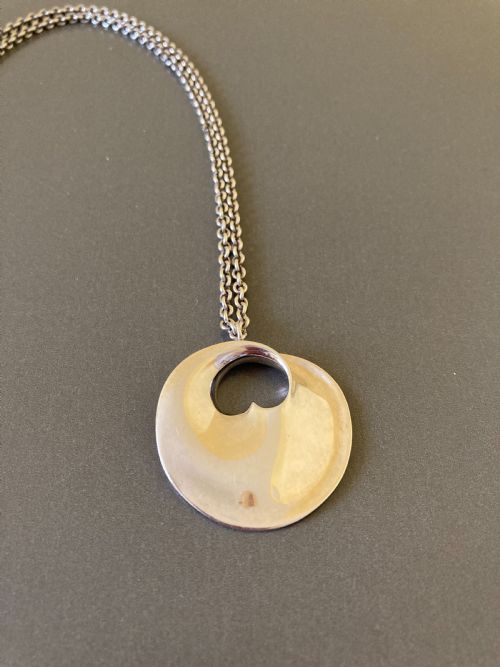
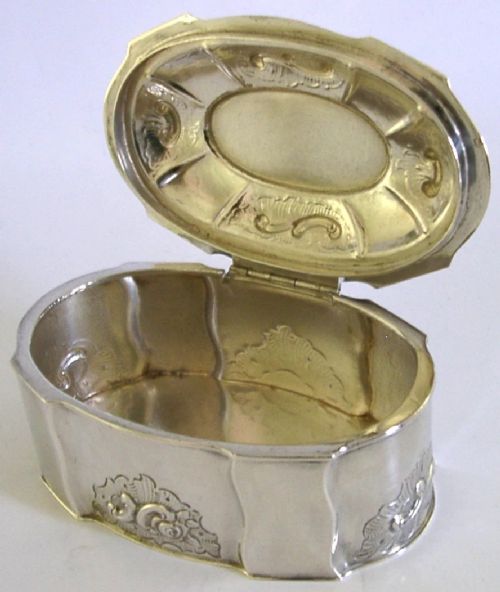
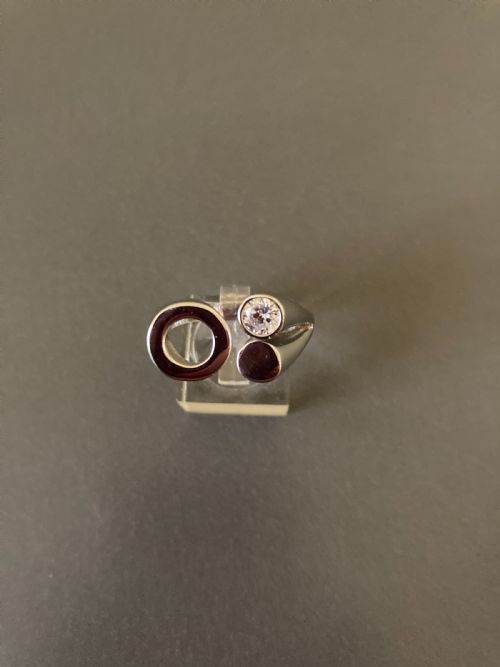
When you search for vintage danish jewellery, you encounter wearable works spanning the 1920s to the 1960s, encompassing brooches, necklaces, pendants, rings, earrings, and even solid sterling silver dressing table boxes. The most common forms on this page are silver brooches and necklaces from the mid-century period, particularly Scandinavian Modern and Mid-Century Modern designs.
Makers and designers working in Denmark produced pieces ranging from early Skønvirke Art Nouveau creations to streamlined post-war motifs. Alongside personal adornment, the selection includes decorative boxes intended for dressing tables, reflecting a broader domestic aesthetic.
The aesthetic shifts discernibly from organic floral motifs and Art Deco geometry in the 1920s and 1930s to clean, sculptural modernist lines by the 1950s and 1960s. Collectors will find both unsigned pieces and works bearing established maker marks from this rich design tradition.
Materials and construction
Gemstones such as amethyst and zirconia appear selectively to add focal points of colour or sparkle within the silver settings. Construction techniques balance traditional silversmithing with modern casting methods characteristic of Scandinavian production.
Even a simple key ring pendant received the full mid-century modern treatment.
Assessing quality and execution
Quality in these pieces is dictated by the sophistication of the design, the weight of the silver, and the precision of the silversmith's hand. Heavier dressing table boxes and sculptural necklaces demonstrate a greater commitment to material substance than lighter, standard stamped items.
The application of enamel and the retention of original gilding or oxidisation heavily influence the desirability of a piece. Finer examples maintain crisp detailing in motifs like flora, fauna, and abstract modernist shapes.
Georg Jensen·G. Hoppe·Sigvard Bernadotte·Randers Silver
The Vintage Danish Jewellery Glossary
- Sterling silver
- A silver alloy containing 92.5 percent pure silver and 7.5 percent other metals, usually copper. This standard composition provides the durability required for detailed jewellery and decorative boxes.
- Skønvirke
- The Danish variant of Art Nouveau and Arts and Crafts styles. It often incorporates organic motifs inspired by nature.
- Vermeil
- Sterling silver plated with a thick layer of gold. It gives the appearance of solid gold while maintaining a silver base.
- Oxidised silver
- Silver that has been intentionally treated with sulphur compounds to darken the recessed areas. This technique enhances the perceived depth of sculptural designs.
- Scandinavian Modern
- A design movement characterised by simplicity, minimalism, and functionality. It heavily influenced mid-century jewellery forms.
Vintage Danish Jewellery: Frequently Asked Questions
How do I date my jewellery?
Dating relies on stylistic shifts, such as moving from 1920s Skønvirke to 1950s Scandinavian Modern forms. Maker marks and silver hallmarks also provide chronological clues.
Looking closely at the fastenings and construction methods helps place pieces within specific decades like the 1930s or 1960s.
What is Scandinavian Modern style?
This style emphasises clean lines, functional elegance, and organic shapes drawn from nature. It moves away from heavy Victorian ornamentation towards minimalist silhouettes.
In jewellery, this translates to sculptural silver pendants and chokers that highlight the natural lustre of the metal.
How should I care for silver?
Store sterling silver items in dry, anti-tarnish compartments to prevent environmental dulling. Gentle cleaning with a soft cloth maintains the polished finish without harming oxidised details.
Avoid abrasive dips, especially on enamelled or gilt surfaces, to preserve the original coloration.
Are these pieces usually signed?
Many works bear maker marks or designer signatures, whilst others remain unsigned. Georg Jensen pieces, for instance, often carry distinct workshop stamps.
Unsigned items still reflect the prevailing aesthetic and silversmithing standards of their respective decades.