






Vintage Naval Model
A vintage naval model brings maritime history indoors, offering tactile connections to centuries of seafaring through detailed scale ships, signal cannons, and marine equipment.
Vintage Naval Model
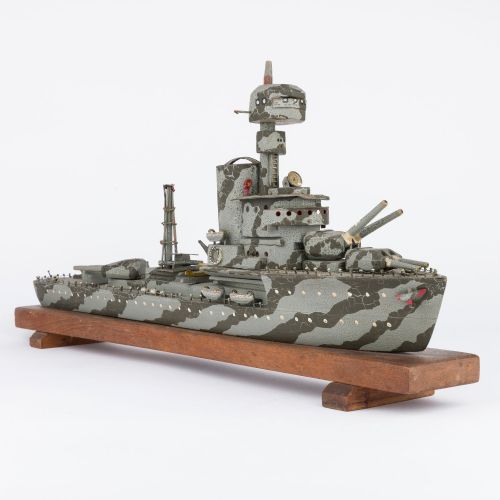
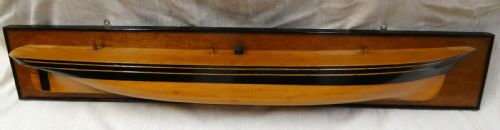
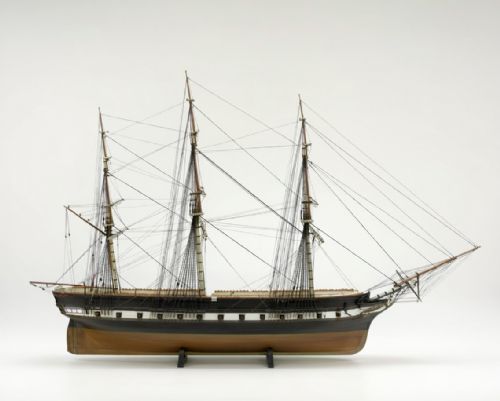
A vintage naval model encompasses maritime objects ranging from scale ships and hulls to signal cannons and desk accessories. Buyers exploring a vintage naval model encounter representations of historical vessels, artillery pieces, and maritime equipment spanning several centuries.
The selections on this page lean heavily towards metal and wood items, notably brass signal cannons, oak or mahogany carriages, and model ships housed in bottles or built as scale replicas. These forms reflect both practical maritime training and decorative desk items created to commemorate naval heritage.
Origins stretch from the early nineteenth century through the interwar period, capturing Victorian maritime styles alongside WWI era pieces and maritime folk art. Each example presents a tangible slice of naval craftsmanship, whether built for display or instruction.
Materials and construction methods
Makers utilised durable metals such as brass, bronze, cast iron, and polished steel to cast barrels and fittings for cannons and ship models. These metallic components often feature mounted details paired with wooden carriages made from oak or mahogany.
Wooden elements, including hulls and display stands, combine with painted finishes and thread rigging to complete the construction of sailing ships and training models. Artisans employed hand built techniques to shape timber and metal into accurate scale representations.
Vintage Naval Model Retail Price Guide 2026
Typical asking prices for vintage naval model among the pieces listed under this phrase on Sellingantiques today, from the lower quarter to the upper quarter. They describe what is for sale here now, not the wider market.
Some industrious sailors spent long voyages coaxing full three masted sailing ships into ordinary glass bottles, leaving landlubbers permanently baffled by the geometry.
Assessing quality and craftsmanship
Quality reveals itself in the precision of the metal casting and the fidelity of the wooden undercarriage joinery. Superior examples demonstrate careful attention to scale proportion, clean finishing on brass and bronze barrels, and well preserved rigging materials.
The distinction between ordinary items and finer pieces rests on the complexity of the hand building process and the integrity of original mounted materials. Stronger works maintain cohesive historical proportions without clumsy replacements or crude secondary additions.
The Vintage Naval Model Glossary
- Signal cannon
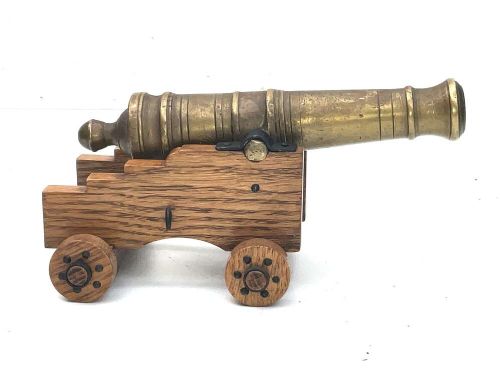
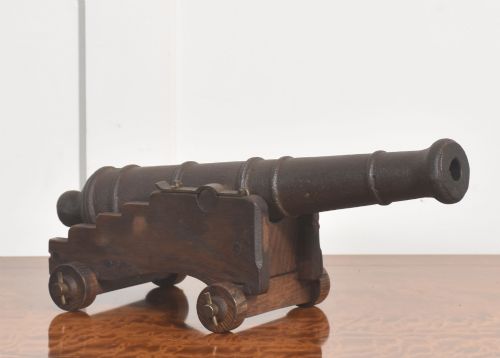
- A small artillery piece used on vessels to fire blanks for salutes, distress signals, or communicating between ships. These functional miniatures were frequently adapted as decorative desk ornaments.
- Ship of the line
- A type of powerful warship constructed during the age of sail to form part of the battle line in fleet engagements. Models representing these vessels capture the formidable multi deck armament.
- Stockless anchor
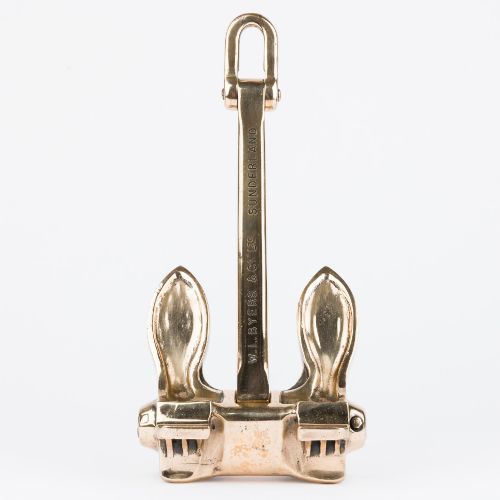
- An anchor design developed to eliminate the traditional transverse stock, allowing the flukes to pivot easily when dropped. Models of specific anchor types illustrate the mechanical evolution of marine hardware.
- Training model
- An accurate scale representation utilised for instructional purposes by naval personnel or marine academies. These pieces required high precision to demonstrate actual ship design and rigging.
- Maritime folk art
- Creative objects fashioned by sailors or coastal artisans using available materials like wood, metal, and thread. These pieces reflect personal maritime experiences rather than strict commercial shipyard standards.
Vintage Naval Model: Frequently Asked Questions
What materials were used to build vintage naval models?
Makers constructed these pieces using a combination of metals such as brass, bronze, cast iron, and polished steel for barrels and fittings. Wooden components like oak and mahogany formed the carriages, hulls, and display bases, sometimes accented with thread for rigging.
Paint and specialised finishes were frequently applied to enhance the visual detail of hulls and metalwork, ensuring both durability and historical accuracy in the finished objects.
How were signal cannons originally used?
Signal cannons served practical communication functions aboard vessels by firing loud blank charges to signal distress, salute passing ships, or coordinate movements in poor visibility. Their loud reports carried across water when visual flags were ineffective.
Over time, many of these functional pieces were scaled down or replicated as desk ornaments and decorative items for maritime enthusiasts and retired officers.
How do I care for a brass and wood model?
Keep these pieces away from direct sunlight and areas prone to high humidity to protect wooden carriages and prevent metal tarnishing. Dust gently with a soft, dry cloth rather than applying harsh chemical polishes.
Maintaining a stable indoor climate preserves the integrity of painted surfaces, thread rigging, and joined wood or metal components over the long term.
What is the difference between a desk cannon and a ship model?
Desk cannons focus specifically on miniature artillery pieces, featuring metal barrels mounted on wooden undercarriages designed for desktop display. They highlight ordnance design rather than complete vessel architecture.
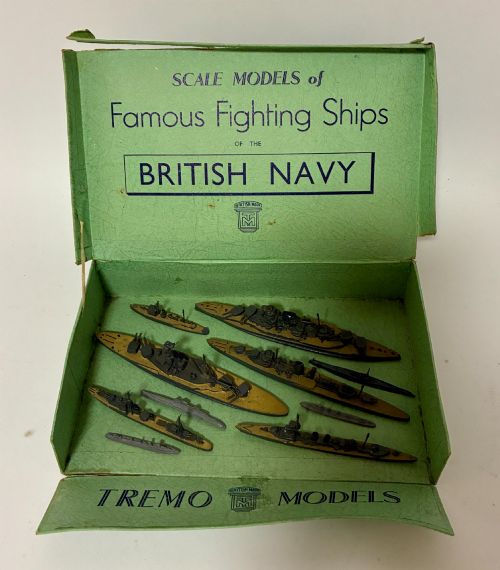
Ship models represent full watercraft, ranging from hulls and bottle ships to multi masted sailing vessels and fighting ships, capturing the broader scope of naval architecture.