


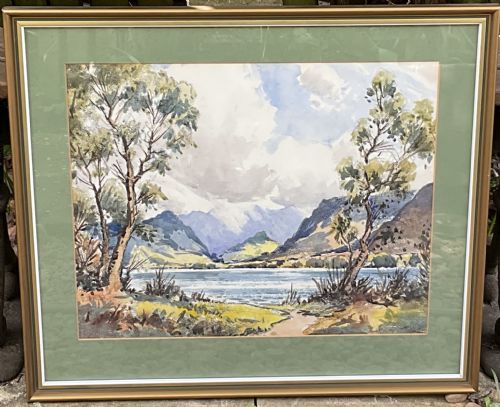


Vintage Nature Wall Art
Vintage nature wall art captures the quiet drama of landscapes, rivers, and wildlife through the hands of painters working across the nineteenth and twentieth centuries.
Vintage Nature Wall Art
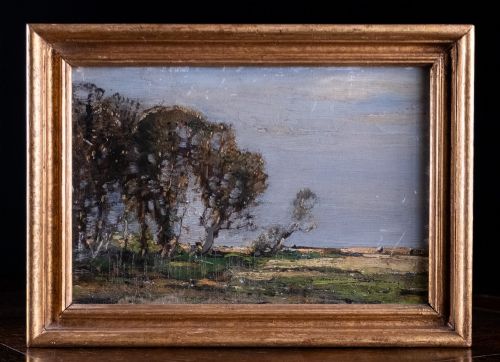
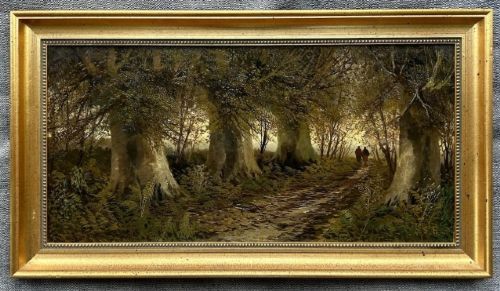
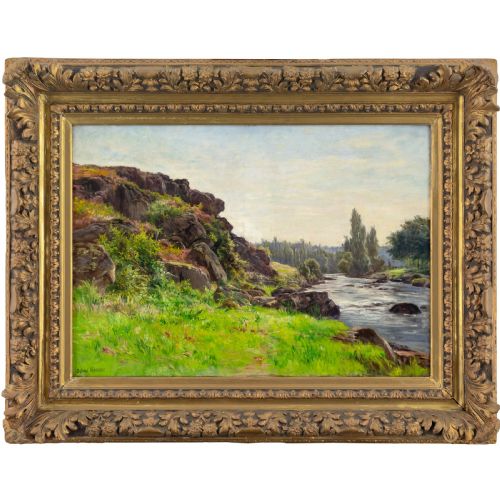
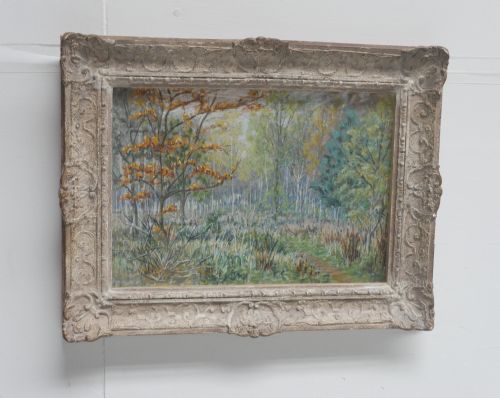
When you search for vintage nature wall art, you encounter a focused selection of landscape paintings, botanical studies, and watercolour scenes. These works capture rivers, woodlands, and highland views through traditional mediums.
The pieces span periods from the late nineteenth century through the mid-twentieth century, including Victorian, Edwardian, and mid-century modernist examples. You will frequently find oil paintings on canvas or board alongside delicate watercolours and gouache studies.
Many of these works originate from British and French artists, recording rural scenes, country lanes, and bird studies. The subjects focus squarely on the natural world, rendered in styles ranging from impressionist to realist landscape traditions.
How they were made
Artists relied primarily on oil paint applied to canvas or wood panels, building rich textures for woodland scenes and river views. Watercolours and gouache on paper formed another core method, allowing for swift, expressive captures of light and atmosphere.
Framing often involved traditional wood mouldings, occasionally enhanced with gold leaf and gesso to complement the painted surface. Support materials like paper and canvas were secured within protective glazed or open wooden frames suited to domestic display.
Materials span oil paint, canvas, wood, paper, gouache, glass, gold leaf, and gesso across works dating from the nineteenth to the mid-twentieth century.
What varies in quality
Quality reveals itself in the confidence of the brushwork and the artist's command of light across natural subjects like foliage and water. Stronger works demonstrate a sure sense of composition that draws the eye naturally into the depth of the landscape.
The integration of the frame with the period of the artwork influences the overall integrity of the piece. Superior examples maintain the original harmony between the painter's palette and the physical housing of the work.
Kershaw Schofield·Thomas W Lascelles·Gabriel Mathieu·William Mellor·Adolphe Gumery
The Vintage Nature Wall Art Glossary
- Gouache
- An opaque water-based paint that dries to a matte finish, allowing for vibrant colour blocks and precise detail in natural studies. It was frequently utilised on paper during the early twentieth century.
- Gesso
- A plaster-like mixture applied to wood panels or frames as a prepared base for gilding and painting. It provides a smooth, stable foundation for decorative elements.
- Impressionism
- An artistic movement focusing on the visual impression of the moment, particularly the shifting effect of light and colour. Works in this style avoid rigid detail in favour of visible brushstrokes.
- Board
- A rigid flat surface, often wood or compressed material, used by painters as a sturdy alternative to stretched canvas. It appears frequently in outdoor oil sketches.
Vintage Nature Wall Art: Frequently Asked Questions
What periods do these pieces cover?
The available artworks span from the late nineteenth century through the Edwardian era and into the mid-twentieth century. You will encounter Victorian landscapes alongside 1950s modernist interpretations.
Each period brings distinct stylistic choices, moving from traditional nineteenth-century landscape realism towards freer impressionist and modernist brushwork.
What subjects are most common?
Woodland scenes, river landscapes, and country lanes dominate the selection, alongside specific ornithological and bird studies. Artists frequently recorded local British scenery as well as continental views.
Watercolours and oil paintings alike focus on the quiet observation of nature, capturing trees, lakes, and wildlife in various seasons.
How should I frame these artworks?
Many pieces retain their period frames, which often feature traditional wood mouldings or subtle gesso details that complement the era of the painting. Preserving these original pairings maintains the historical character of the artwork.
When framing works on paper or unmounted canvases, select materials that protect the medium from direct light and atmospheric moisture while respecting the period aesthetic.
Are these works signed by the artists?
Several pieces feature signatures or attribution to known painters and watercolourists from Britain and France. These signatures help anchor the historical context and provenance of the individual works.
Unsigned studies remain common in landscape painting and natural history illustration, valued primarily for their atmospheric depiction of the subject.