
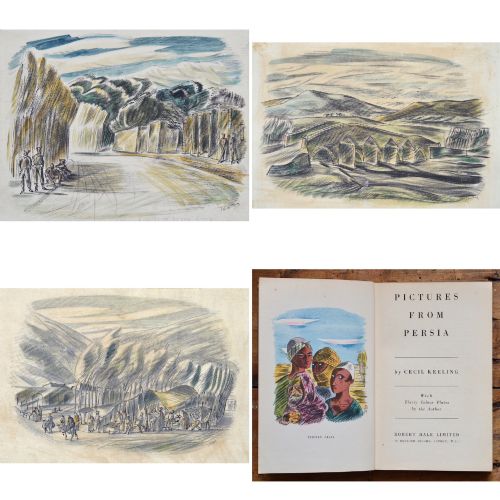


Original Paper Landscape Sketch
When you handle an original paper landscape sketch, you hold direct marks made in pencil, ink or charcoal on paper by artists recording a scene.
Original Paper Landscape Sketch
An original paper landscape sketch captures topography, rural views and townscapes directly from observation across several centuries. You encounter these works rendered in graphite, charcoal, ink and watercolour on paper supports.
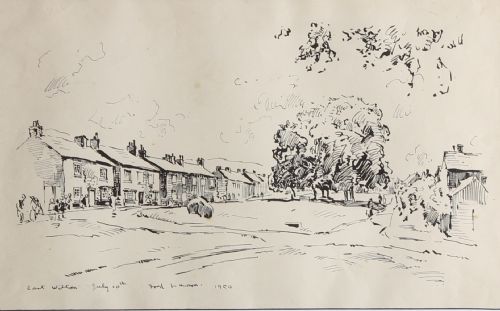
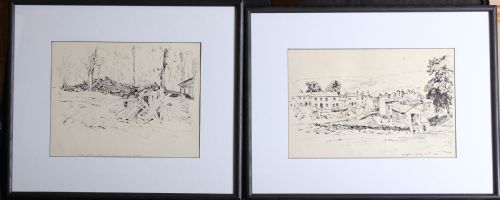
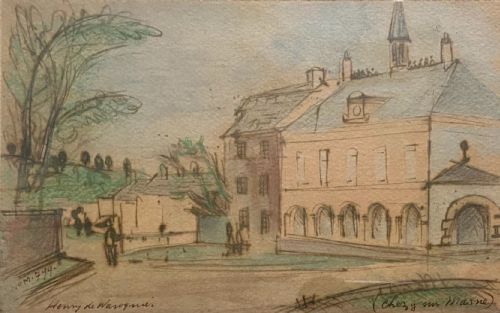
The selections span Georgian and Victorian periods through early twentieth-century British scenes, Mid-Century Modern compositions and French views. Many pieces record specific locations ranging from Yorkshire and the Lake District to Venice and Provence.
You frequently meet works by named figures such as Fred Lawson alongside items attributed to specific schools or contemporaries. These sheets range from rapid field studies to finished watercolours framed in wood and glass.
Materials and technique
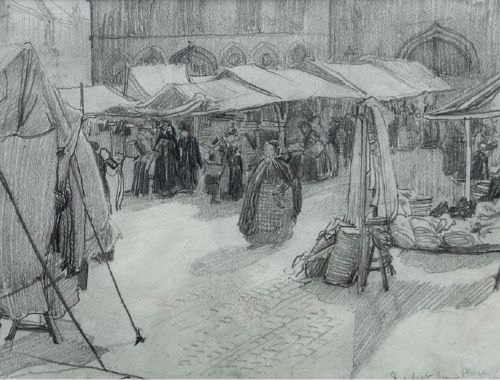
Artists applied dry media such as graphite pencil, charcoal and chalk to paper to build tone, shade and perspective. Many pieces combine pen and ink line work with watercolour washes applied directly over the drawn foundation.
Supports consist primarily of paper sheets, occasionally attached to canvas stretchers or framed behind glass. Some drawings form parts of historical sketchbooks or bear annotations, signatures and studio stamps.
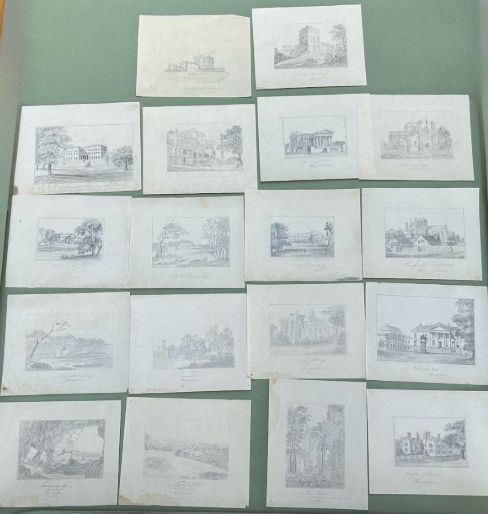
One collection preserves eighteen separate pencil sketches of Hampshire landscapes drawn by an observant traveller in eighteen hundred and eighteen.
Assessing the pieces
Execution and immediacy distinguish the strongest examples from routine studies, particularly in how confidently the artist commands line and tone. A confident pencil stroke or fluid watercolour wash conveys atmosphere and light with economy.
Provenance and documentation elevate certain works, especially when drawings link directly to published books, named exhibitions or identified sketchbooks. The preservation of the paper sheet and the clarity of the composition determine the visual impact.
Cecil Keeling·Henry Percy Huggill·Fred Lawson·Henry de Waroquier·Edward Dayes·Hercules Brabazon Brabazon·Sir Francis Leggatt Chantrey·Maurice Asselin·Henry Bright·Henry Edridge·Henri Joseph Harpignies
The Original Paper Landscape Sketch Glossary
- Charcoal
- A dry drawing medium made from burnt wood that produces deep dark lines and soft tonal blends. Artists utilise it for rapid landscape studies and atmospheric effects.
- Watercolour
- A paint consisting of pigment suspended in a water-soluble vehicle, applied in translucent washes over paper. It captures light and weather effectively in landscape art.
- Graphite
- A form of carbon used to create grey or black marks in pencils, allowing for fine detail and varied shading. It forms the foundation of many historical landscape drawings.
- Tonalism
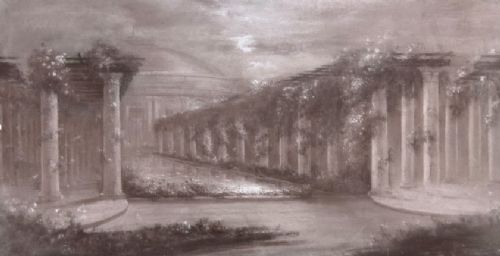
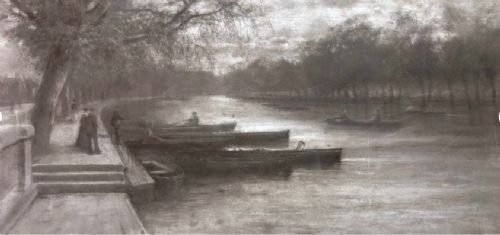
- An artistic style that emerged in the late nineteenth century where artists painted landscapes with an overall mood or shadow. Works in this vein focus on atmospheric shadow rather than crisp architectural detail.
Original Paper Landscape Sketch: Frequently Asked Questions
How should I display a paper sketch?
Keep drawings out of direct sunlight to prevent fading of watercolours, inks and papers. Frame them behind glass using acid-free mounts.
Maintain stable humidity levels in the room to protect the paper support from warping or foxing over time.
Are these works finished paintings?
Many items are direct field studies or preliminary sketches created outdoors by artists recording a landscape. Others function as finished watercolours or ink drawings intended as standalone works.
Annotations and quick pencil lines often reveal the working process behind the final composition.
How do I identify the period of a drawing?
Examine the paper type, watermark, framing style and handwriting on the mount or reverse of the sheet. Stylistic markers such as Edwardian tonalism or Georgian draftsmanship also indicate the era.
Signatures, dates written by the artist and dealer records help narrow down the exact decade of creation.
What is the difference between a sketch and a drawing?
A sketch is typically a rapid exploratory note capturing the initial essence of a landscape scene. A drawing often involves more developed detail and finished composition.
Both categories rely on graphic media applied directly to paper supports.