
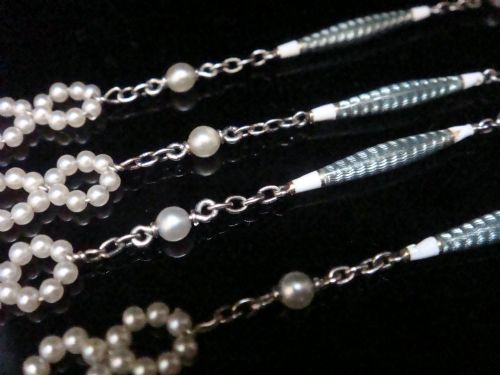


Vintage Natural Pearl Necklace
A vintage natural pearl necklace brings organic lustre and quiet historical weight to the neck, prized for the gentle sheen formed by nature without human intervention.
Vintage Natural Pearl Necklace
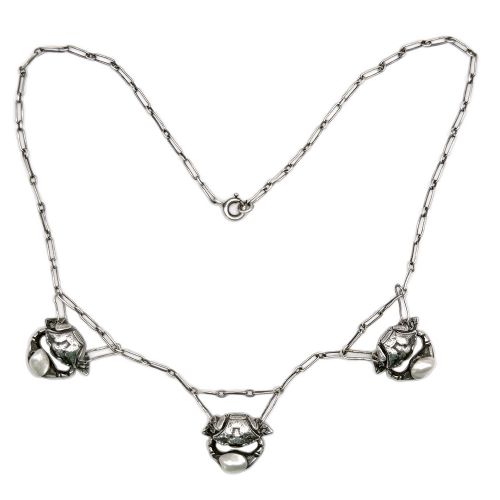
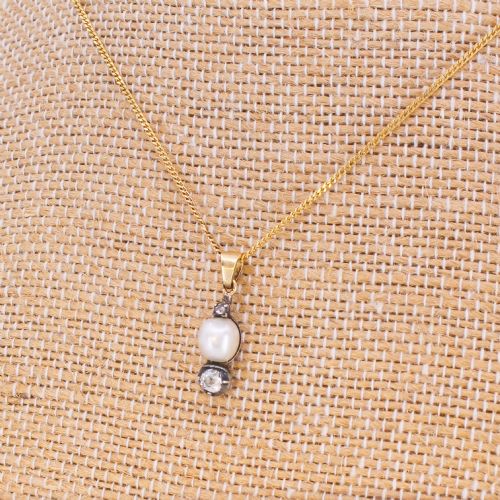
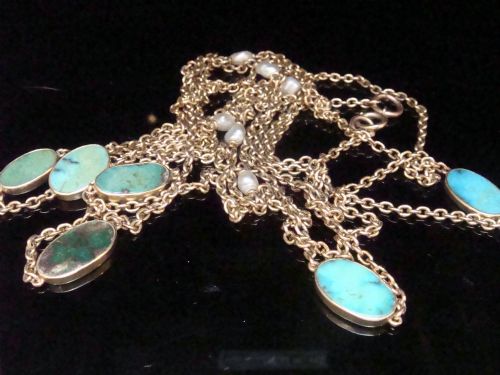
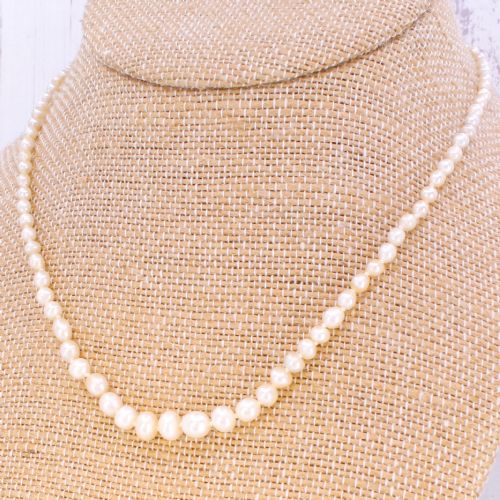
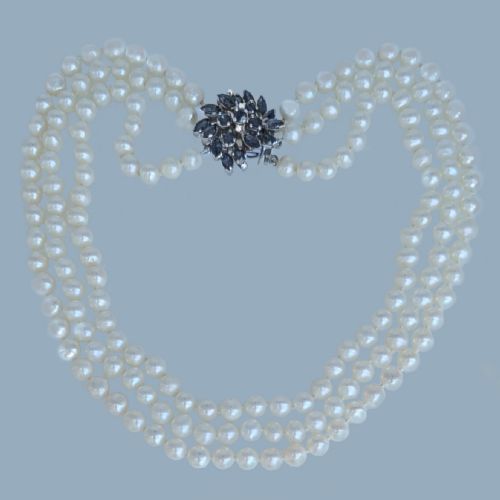
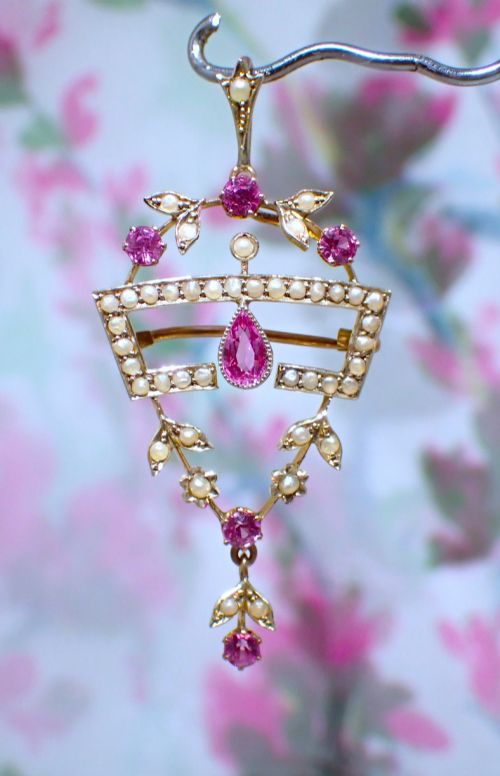
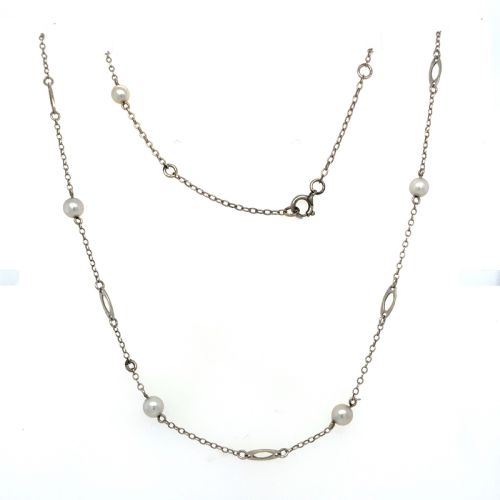
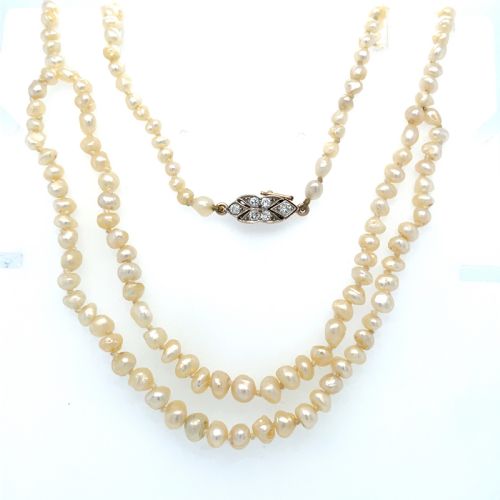
A vintage natural pearl necklace is a strand or pendant featuring ocean-grown pearls created organically rather than in a commercial farm, often paired with precious metals and gemstones. You will frequently encounter Edwardian longuard chains, single strand necklaces from the nineteen-twenties, and diamond-clasped pieces from the turn of the twentieth century.
Makers and jewellers of the Edwardian and Art Deco periods set these organic spheres into platinum, yellow gold, and white gold, sometimes adding sapphires, diamonds, rubies, or emeralds. The forms range from simple long chains to intricate pendant brooches and multi-row ropes spanning several decades of design history.
The materials reflect the tastes of eras ranging from the Georgian period through the mid-twentieth century, utilising silk thread, turquoise, tourmaline, opal, and coral alongside the central pearls. Surviving examples demonstrate how past wearers favoured versatile lengths and secure clasps adorned with old-cut diamonds.
Evaluating Quality
Quality rests in the uniformity of the nacre, the matching of shape and orient across the strand, and the integrity of the original metal settings. Superior pieces display consistent lustre and smooth surfaces, whereas lesser examples show uneven skin or dullness.
The complexity and material of the clasp also dictate the standing of a piece, with platinum and diamond-set closures representing higher craftsmanship than simple base metal findings. Furthermore, the presence of certified gem reports provides verified provenance that elevates the standing of natural saltwater specimens.
Materials recorded across the inventory include platinum, silk, fifteen-carat yellow gold, diamonds, turquoise, opals, and both freshwater and saltwater pearls.
The Vintage Natural Pearl Necklace Glossary
- Natural Pearl
- A pearl formed organically in a mollusc without human intervention, prized for its unique orient and composition. These contrast with farmed or cultured varieties.
- Saltwater Pearl
- A pearl grown in marine pearl oysters rather than freshwater mussels, typically exhibiting a sharper lustre. They form the core material of many antique necklaces.
- Longuard Chain
- A long Victorian or Edwardian chain worn doubled or trailing, often fitted with a swivel clasp for hanging watches or pendants. They frequently incorporate seed pearls and coloured stones.
- Old-Cut Diamond
- A diamond cut by hand before modern machine precision, characterised by a small table and high crown. These stones appear frequently in clasps and pendant mounts from the early twentieth century.
- Lavaliere
- A pendant necklace featuring a central dangling gemstone or drop, popular during the Edwardian era. They often combine pearls with diamonds or coloured stones in gold settings.
Vintage Natural Pearl Necklace: Frequently Asked Questions
How can I tell natural pearls from cultured ones?
Natural pearls display an irregular growth structure and gradual nacre accumulation under magnification, lacking the distinct bead nucleus seen in most cultured types. Certified laboratory reports provide the definitive distinction by testing internal density.
Historical pieces from the Edwardian and Art Deco periods frequently predate modern commercial culturing methods, though professional verification remains the standard for high-value items.
What lengths were common in vintage pearl necklaces?
Shorter single strands sitting near the collarbone were favoured for formal evening wear during the nineteen-twenties and thirties. Longer rope necklaces and multi-row variations offered versatile draping options for daywear.
Edwardian longuard chains often exceeded thirty inches to allow doubling around the neck, while pendant necklaces typically featured shorter chains to highlight the central drop.
Which metal types appear most often in these clasps?
Platinum dominated fine jewellery production during the Edwardian and Art Deco eras, prized for its strength in delicate diamond-set clasp designs. Yellow gold in fifteen-carat and nine-carat purity appears frequently in earlier Victorian and Edwardian pieces.
White gold and silver also support gemstone clasps, matching the cooler tones of platinum mounts and the surrounding pearls.