




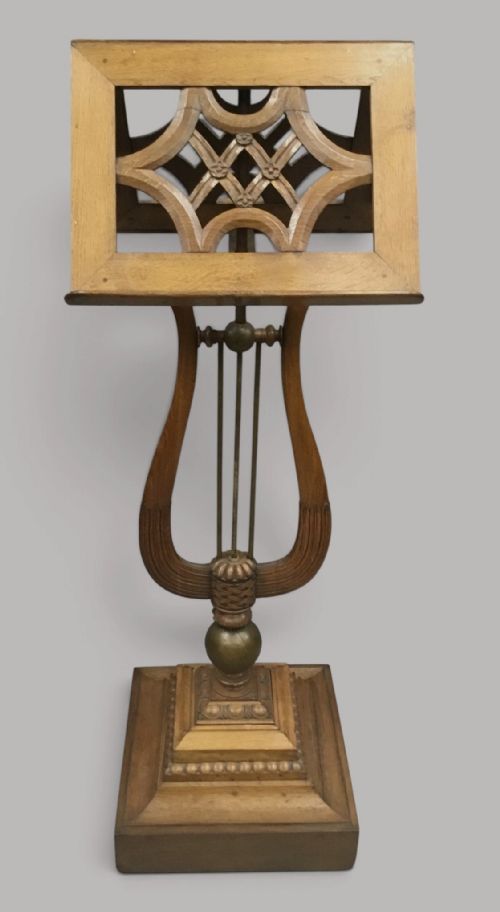


Vintage Music Desk
A vintage music desk is a sturdy adjustable stand for scores and books, combining timber craftsmanship with practical height adjustments for musicians and readers.
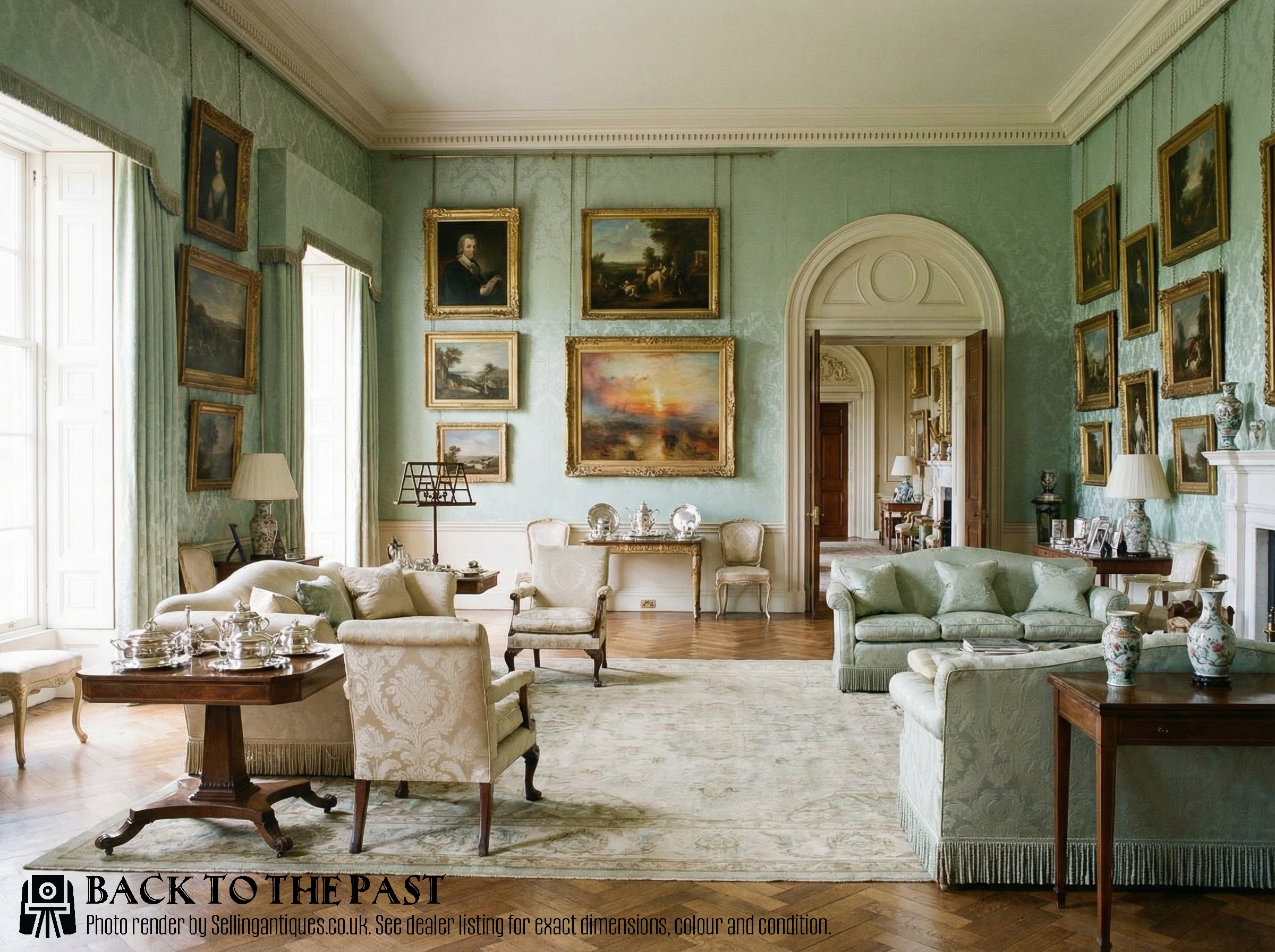
Vintage Music Desk
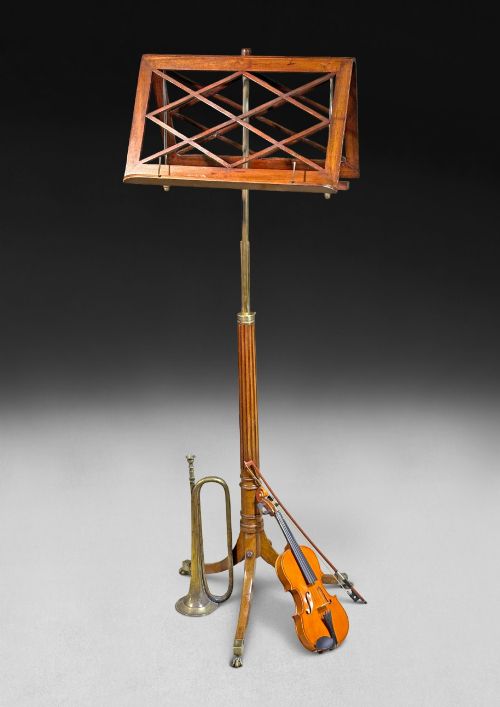
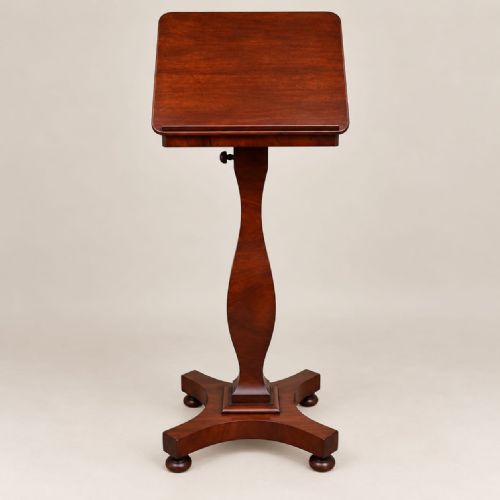
When you search for a vintage music desk, you are looking at adjustable stands and reading tables designed to hold scores securely at eye level. The pieces on this page span the nineteenth century and the early twentieth century, taking forms such as duet stands, reading tables, and adjustable lecterns.
Mahogany and oak dominate the timber choices, often accompanied by pine, walnut, and rosewood. These items frequently incorporate brass adjustments or cast iron elements to provide the necessary stability and mobility for daily use in a parlour or study.
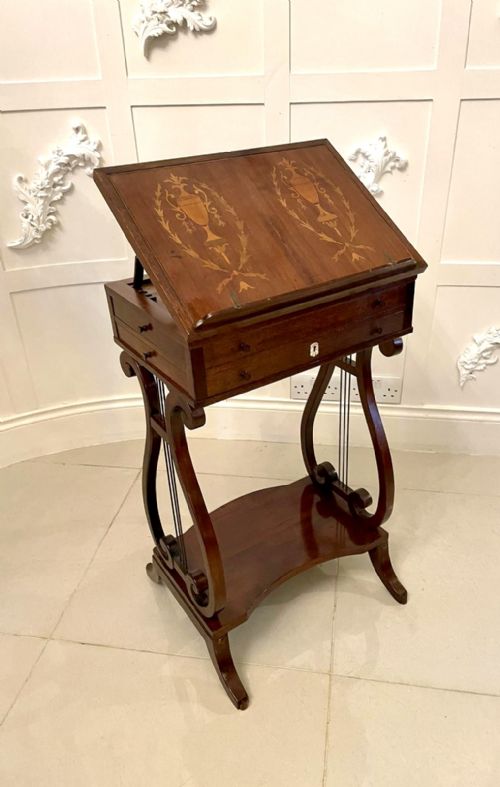
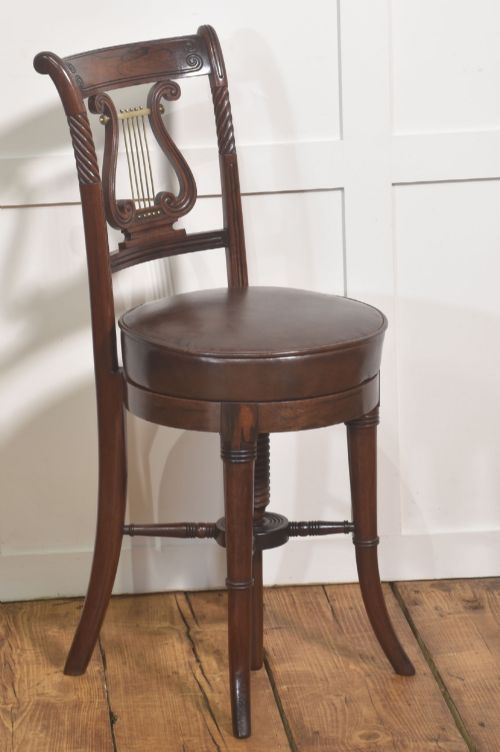
The styles range from Regency and Victorian through to Edwardian and Ecclesiastical designs. You will encounter pieces featuring inlaid details, lyre-shaped supports, and green leather upholstery, reflecting the diverse domestic and institutional interiors of their respective eras.
Materials and Construction
Cabinet makers utilised dense hardwoods such as mahogany, walnut, and rosewood to construct the primary framework, ensuring durability for heavy bound volumes of music and books. Pine and oak appear in utility stands and ecclesiastical lecterns, providing robust structural support.
Metal components in brass and cast iron were integrated into the design to facilitate smooth height adjustments and tilting mechanisms. Inlaid decorative motifs and leather surfaces were applied to enhance the visual appeal of the reading platforms.
Vintage Music Desk Retail Price Guide 2026
Typical asking prices for vintage music desk among the pieces listed under this phrase on Sellingantiques today, from the lower quarter to the upper quarter. They describe what is for sale here now, not the wider market.
A few stands come equipped with green leather panels, quietly forgiving centuries of ink drops and frantic page turns.
Assessing Quality and Execution
Quality rests in the precision of the mechanical adjustment mechanisms and the stability of the timber joints when extended to various heights. Pieces with smooth, reliable brass or iron ratchets and screws show a higher grade of manufacture than rigid or stiff alternatives.
The selection of timber grain, particularly in figured mahogany and rosewood surfaces, dictates the visual merit of the piece. Finer examples display careful inlay work and well-proportioned lyre or pedestal bases that balance utility with elegance.
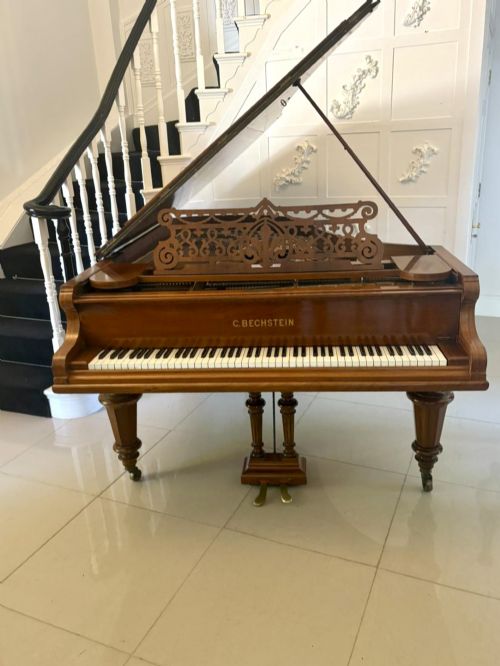
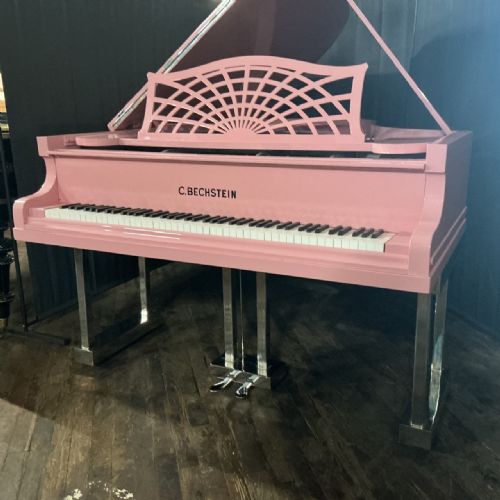
C Bechstein
The Vintage Music Desk Glossary
- Duet stand
- A music stand designed to hold scores for two performers simultaneously, usually featuring a wider double desk top.
- Lectern
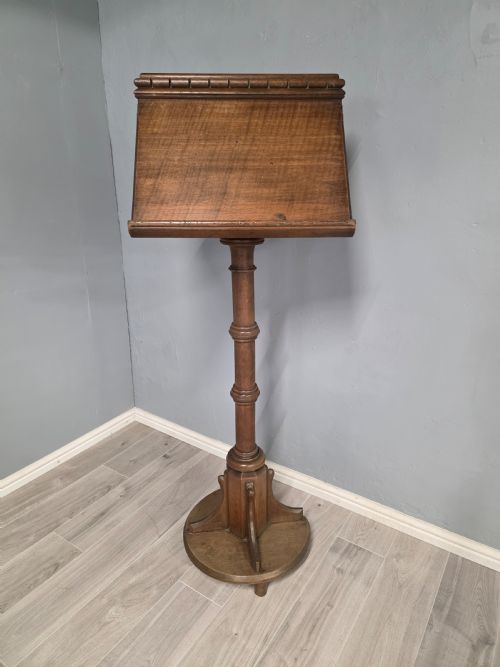
- A slanted reading desk fixed on a stand, traditionally used for holding books during public reading or church services.
- Lyre-shaped
- A decorative motif resembling the ancient Greek stringed instrument, frequently used in the central pillar or support of music stands.
- Patent mechanism
- A proprietary mechanical system designed to improve the adjustment of height or angle, often stamped with registry details.
Vintage Music Desk: Frequently Asked Questions
Can these hold heavy books?
Hardwood examples in mahogany and oak are built to support substantial bound volumes of music and heavy folios. The structural integrity of the base and the tightness of the adjustment peg determine the maximum load capacity.
Lighter stands made of pine or delicate rosewood are better suited to loose sheet music and standard paperback texts. Check the stability of the feet and the central stem before placing oversized items on the ledge.
How do I clean the wood and leather?
Dust the timber surfaces regularly with a dry cloth and nourish the grain periodically with an appropriate beeswax polish. Avoid placing the stands near direct heat sources to prevent the wood from splitting.
Leather book rests or inserts benefit from gentle cleaning with a damp cloth followed by a neutral leather conditioner. Keep moisture away from any exposed metal parts to prevent tarnishing and rust formation.
Are these pieces suitable for modern use?
These items function effectively as reading tables, recipe book holders, or display stands in contemporary living spaces. Their adjustable nature allows them to sit beside armchairs or desks with ease.
The classic timber finishes and brass fittings integrate naturally into traditional and eclectic interiors. Their practical design remains just as useful for holding tablets and modern reading material as it was for nineteenth-century scores.