



Vintage Multi Drawer Chest
A vintage multi drawer chest offers serious utility and unmatched character, turning practical storage into a commanding focal point for any room.
Vintage Multi Drawer Chest
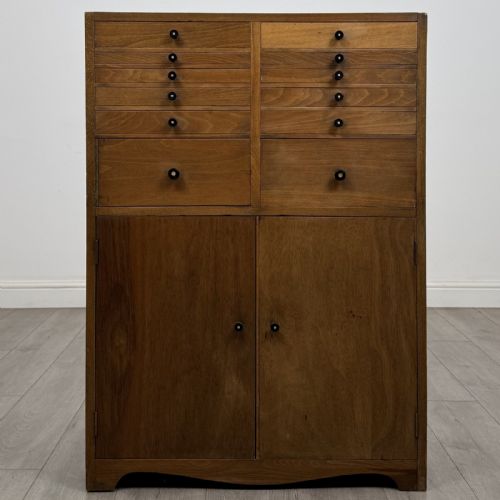
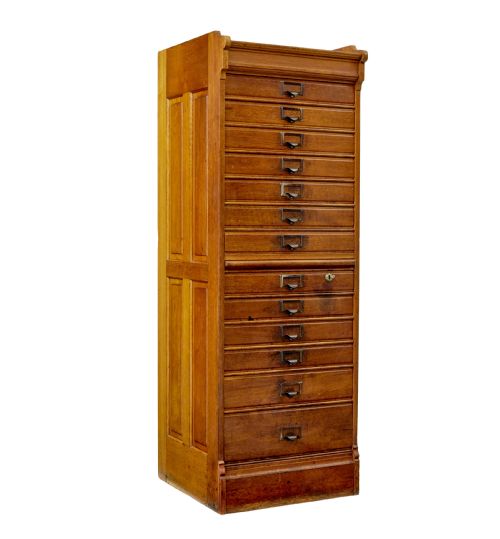
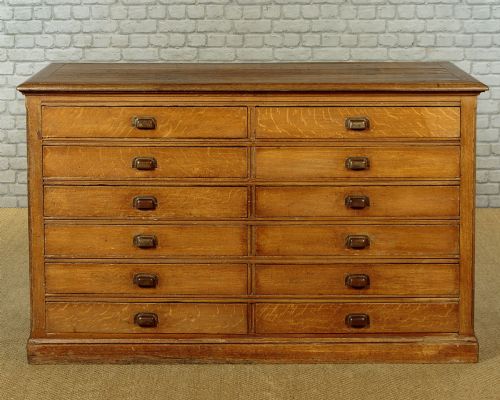
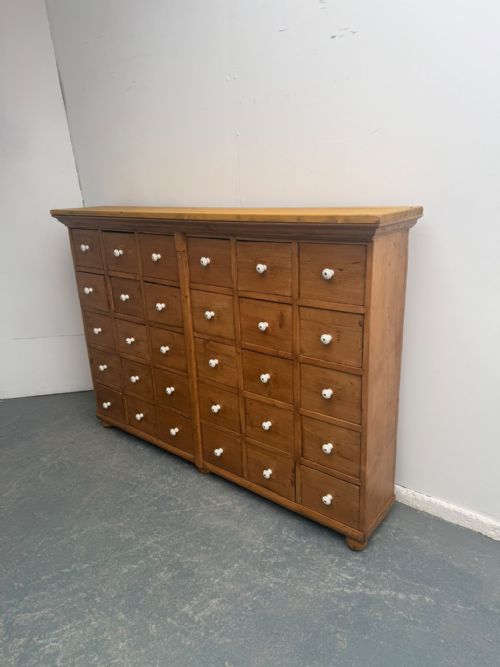
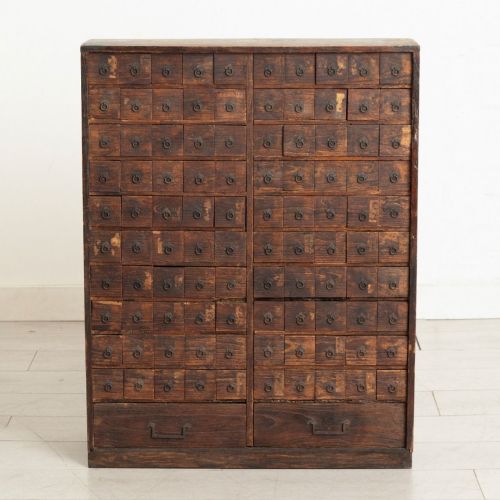
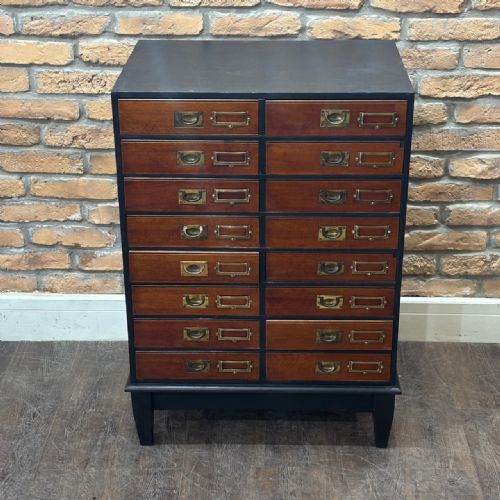
A vintage multi drawer chest encompasses utilitarian banks of drawers, filing cabinets, and apothecary chests designed for heavy daily sorting and storage.
You will most commonly encounter substantial pine or mahogany workshop fittings, shop counters, and office cabinets originating from the nineteenth and early twentieth centuries.
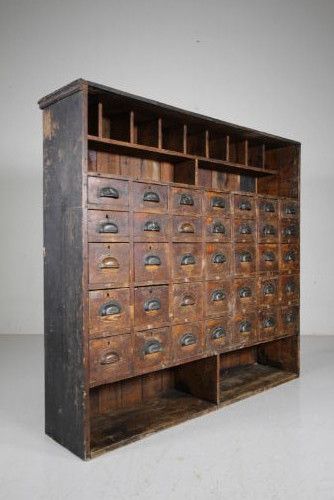
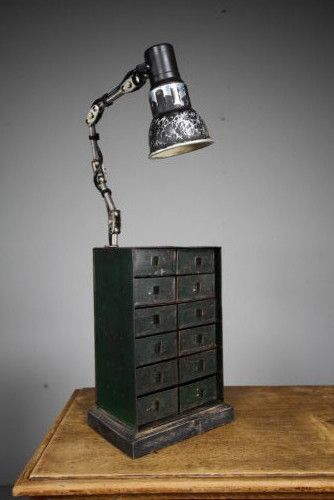
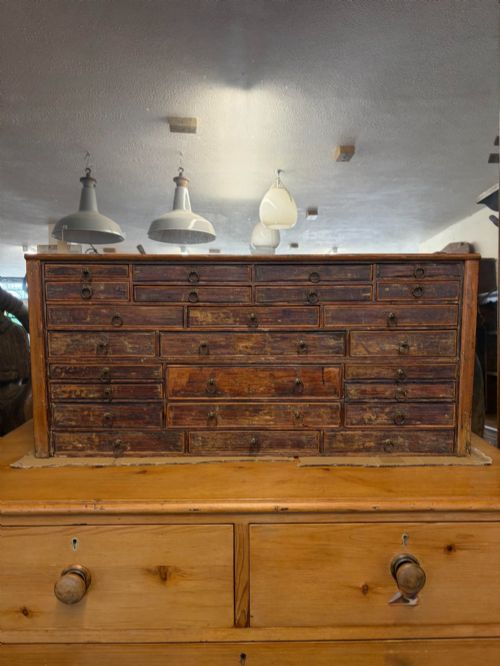
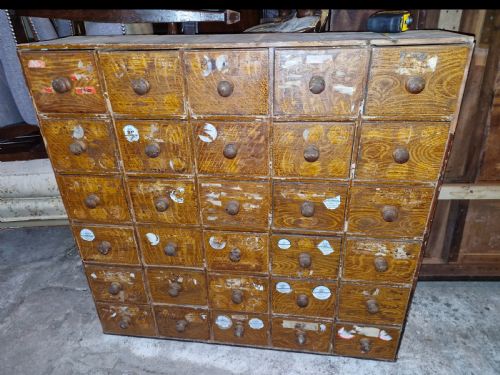
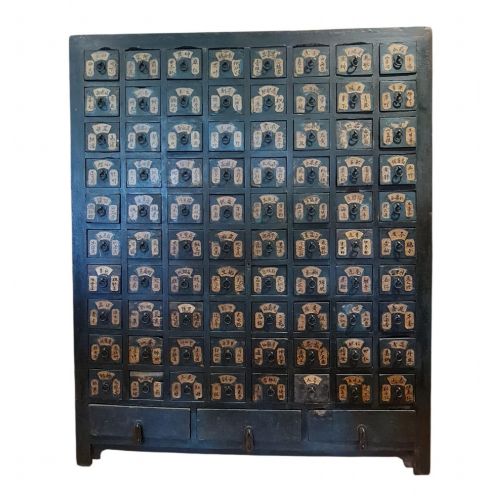
These items range from modest office filing systems with a dozen compartments to vast apothecary chests and shop fittings containing fifty or eighty individual drawers.
How they were made
Carpenters constructed the primary carcases using durable timbers such as pine, oak, mahogany, deal, and elm, often joining them to withstand decades of commercial use.
Many examples incorporate functional brass or iron hardware, pull handles, and patent letter files designed for efficient organisation in offices and shops.
Surfaces frequently display original paint finishes, stained and polished deals, or painted cream coatings that reveal their working past.
Vintage Multi Drawer Chest Retail Price Guide 2026
Typical asking prices for vintage multi drawer chest among the pieces listed under this phrase on Sellingantiques today, from the lower quarter to the upper quarter. They describe what is for sale here now, not the wider market.
Materials represented across the inventory include pine, mahogany, oak, teak, iron, brass, and painted wood.
What varies in quality
The distinction lies in the scale and integrity of the original construction, moving from standard office filing units to grand shop fittings with dozens of uniform drawers.
Quality rests upon the preservation of original surfaces, whether that involves untouched painted shop finishes, polished hardwoods, or authentic maker labels and patent mechanisms.
Luxmore's of Ilfracombe·Amberg·Shannon
The Vintage Multi Drawer Chest Glossary
- Bank of drawers
- A large cabinetry unit housing numerous small drawers stacked vertically and horizontally, originally used in shops and offices for dense storage.
- Apothecary chest
- A specialised multi-drawer cabinet traditionally used by pharmacists and herbalists to store dried ingredients, medicines, and botanical specimens.
- Collectors cabinet
- A piece of furniture built with shallow drawers intended for housing natural history specimens, coins, or small artefacts.
- Shop fitting
- Heavy-duty commercial furniture built for retail environments, such as drapery counters or ironmongery storage units.
- Deal
- A traditional British term for softwood timber, particularly pine or fir, commonly used for the carcases of nineteenth-century utilitarian furniture.
Vintage Multi Drawer Chest: Frequently Asked Questions
What were multi drawer chests originally used for?
These units served commercial, medical, and administrative purposes in offices, apothecary shops, and haberdasheries. Businesses relied on them to organise hardware, documents, medicines, and dry goods efficiently.
Over time, many of these utilitarian pieces transitioned from active workspaces into domestic settings where their compartmentalised storage proved equally practical for modern collections.
How do I tell an apothecary chest from a filing cabinet?
Apothecary chests typically feature numerous very small drawers designed for herbs, powders, and medical ingredients. They often originate from Chinese, Japanese, or European medical traditions.
Filing cabinets and office banks of drawers generally offer deeper, wider compartments sized specifically for documents, letters, or trade samples rather than botanical specimens.
What timbers should I expect to find?
Pine and deal form the majority of nineteenth-century shop fittings and utilitarian chests, often finished with paint or left with a simple wax surface.
Hardwoods like mahogany, oak, and elm appear frequently in more formal filing cabinets, collectors' chests, and apothecary units from both British and international workshops.
How do I live with a large multi drawer chest?
Positioning these substantial pieces requires measuring both floor space and clearance for the numerous drawers to pull out fully. Their sheer weight means they demand stable placement against a solid wall.
Once in place, the abundance of small compartments makes them ideal for organising paperwork, craft supplies, cutlery, or collections without adding visual clutter to a room.