



Vintage Miniature Ceramics
Vintage miniature ceramics offer extraordinary detail in small scale, bringing centuries of pottery traditions into the palm of your hand.
Vintage Miniature Ceramics
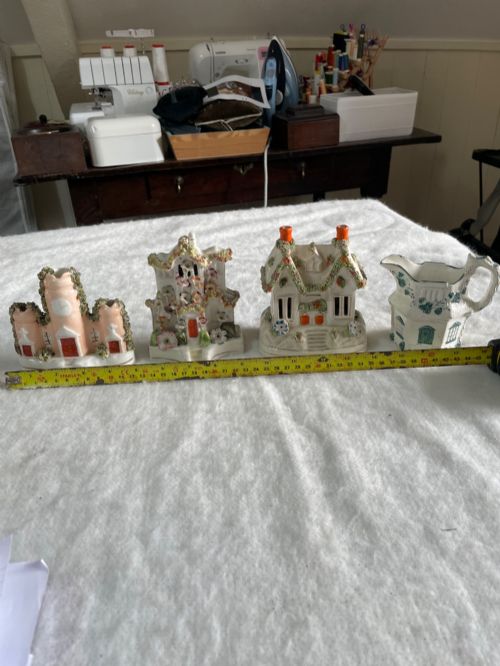
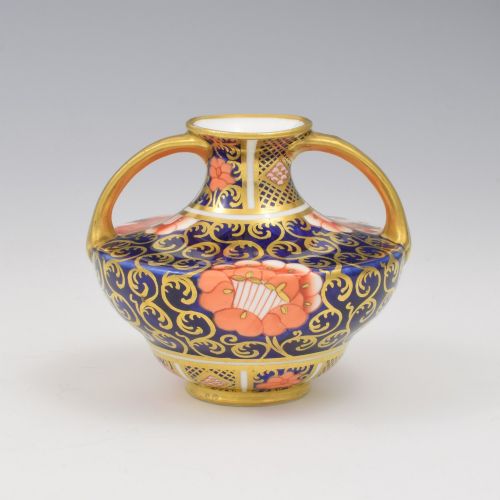
Vintage miniature ceramics comprise an eclectic mix of small-scale vessels, figures, and decorative items spanning the Georgian, Victorian, and Edwardian eras up through the Art Deco period. When collecting vintage miniature ceramics, buyers encounter everything from Staffordshire cottages and poodles to Royal Crown Derby flat irons and Japanese Imari vases.
The selections on this page showcase notable output from factories such as Wedgwood, Royal Worcester, and Masons alongside Japanese Satsuma and Dutch Delftware pieces. These smaller forms demand precise control from makers who condense complex patterns and full-scale architectural or animal subjects into diminutive proportions.
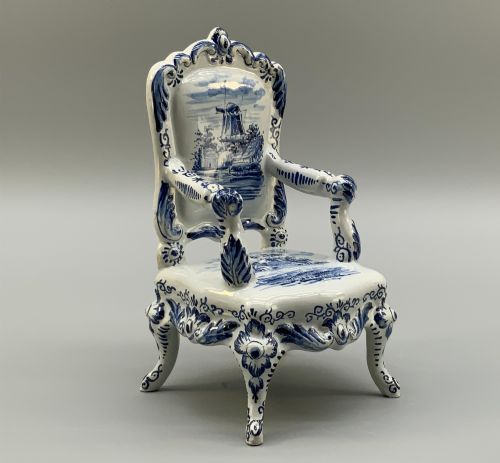
Vases, miniature cups, and decorative bowls form the core of what turns up in this category, often accompanied by unusual novelty shapes like miniature armchairs and longcase clocks. Most pieces date from the nineteenth and early twentieth centuries, reflecting the Victorian and Edwardian taste for intricate tabletop displays.
Materials and Techniques
Makers shaped these miniature items using porcelain, bone china, earthenware, and ceramic bodies, applying detailed hand-painted designs and transfer printing. Glaze finishes seal the surfaces, while select pieces incorporate enamel and gold leaf accents to highlight raised motifs and borders.
Japanese examples utilise fine Satsuma earthenware and Imari palettes paired with intricate gilt figural processions and signature panels. British factories like Wedgwood employed specialised lustre glazes to create iridescent surfaces on small bowls, cups, and mugs.
Vintage Miniature Ceramics Retail Price Guide 2026
Typical asking prices for vintage miniature ceramics among the pieces listed under this phrase on Sellingantiques today, from the lower quarter to the upper quarter. They describe what is for sale here now, not the wider market.
Victorian potters even turned ironing into a display piece, crafting tiny ceramic flat irons complete with their own matching stands.
Evaluating Quality and Craftsmanship
Quality rests primarily on the crispness of the moulding and the control required to paint intricate details on such a small canvas. Pieces featuring hand-painted scenes by known artists or signed Japanese panels demonstrate superior skill compared to standard production items.
The application of gilding, enamel work, and specialised lustre glazes separates exceptional items from simpler wares. Well-preserved glaze integrity and clear factory marks or artist signatures further distinguish the finer examples in this field.
Daisy Makeig-Jones·Royal Crown Derby·Royal Worcester·William Ricketts·Chosei
The Vintage Miniature Ceramics Glossary
- Bone China
- A type of soft-paste porcelain containing animal bone ash, providing high strength and a bright white body suitable for delicate miniature forms.
- Imari
- A style of Japanese export porcelain characterised by underglaze blue and contrasting red, green, and gold overglaze decoration.
- Lustre
- A type of ceramic glaze that imparts a metallic, iridescent sheen, notably developed by Wedgwood on small bowls and mugs.
- Satsuma
- An earthenware type from Japan featuring a crackle ivory glaze decorated with polychrome enamels and gilt.
Vintage Miniature Ceramics: Frequently Asked Questions
What are vintage miniature ceramics?
Vintage miniature ceramics are small-scale decorative objects, vessels, and figures produced across various global potteries and porcelain manufactories during the nineteenth and early twentieth centuries.
These items range from functional tableware reductions like cups and jugs to decorative models of animals, furniture, and architectural cottages.
How were these miniature items displayed?
In period interiors, collectors placed these small items on dedicated wall brackets, mantelpieces, and inside specialised tabletop display cabinets where their fine details could be closely admired.
Because of their delicate scale, they were typically kept away from heavy household traffic and grouped together by maker or theme.
How do I identify the period of a piece?
Dating relies on examining factory backstamps, impressed marks, and stylistic indicators such as Victorian moulded reliefs or Art Deco geometric motifs.
Material composition and painting techniques also offer clues, as specific lustre formulas and enamel palettes were restricted to particular production eras.
Are miniature ceramics fragile?
Most pieces consist of delicate porcelain, bone china, or earthenware with fine protrusions like handles, limbs, or decorative gilt elements that require careful handling.
Owners should clean them gently with a soft dry cloth and avoid harsh chemical cleaners that might damage the overglaze enamels or gold leaf.