





Vintage Millinery Display
Vintage millinery display pieces hold hats and dress shops with the practical elegance of the past.
Vintage Millinery Display
A vintage millinery display encompasses hat stands, hat blocks, millinery moulds, wig stands, and shop mannequins designed to shape and showcase headwear. These items span from the Georgian era through the Victorian period, Edwardian times, and into the Art Deco 1930s.
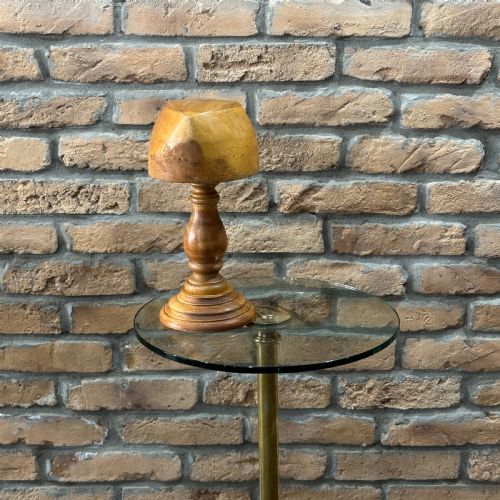
Buyers will most frequently encounter wooden hat blocks and fruit wood millinery forms, alongside cast iron and brass draper's display stands. Many pieces originate from French workshops or English makers, reflecting their primary use in period haberdasheries and hat shops.
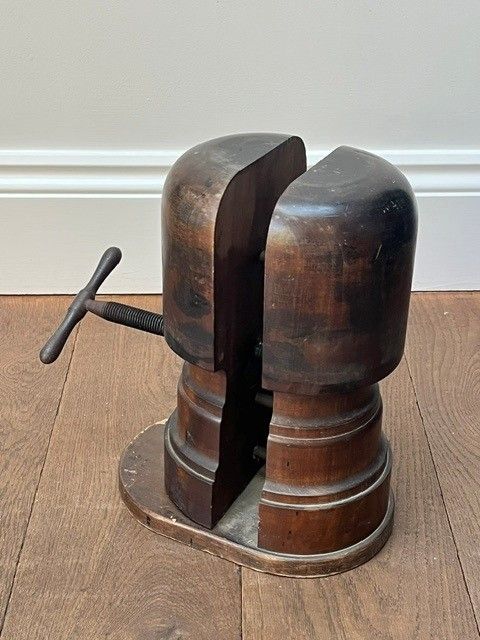
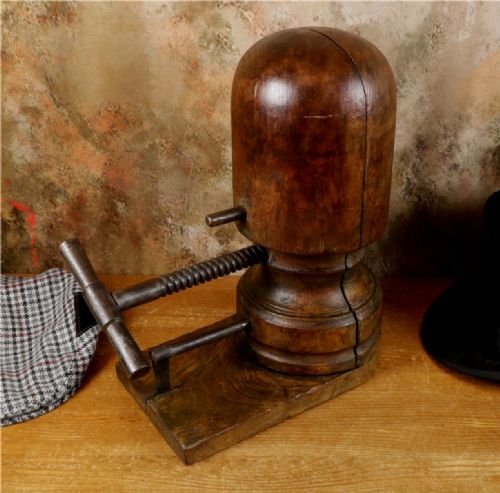
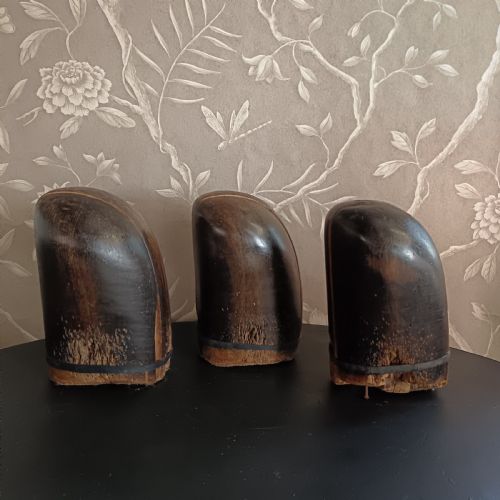
Specialised forms include hat stretchers, military bearskin cap blocks, and carved folk art milliner heads. Each form served a distinct workshop function before finding a second life as decorative display items in modern interiors.
Materials and Construction
Timber forms rely on carved hardwoods, oak, walnut, beech, and fruit wood, shaped to hold the exact contours of period headwear. These carved wooden blocks show the tool marks and grain patterns left by traditional woodworking.
Metal components utilise cast iron, brass, and aluminium, particularly in adjustable display stands and industrial moulds. Combinations of brass and cast iron provide the weight and stability required for heavy countertop shop displays.
Current listings feature materials ranging from cast iron and brass to fruit wood, oak, and aluminium across multiple centuries.
Assessing Quality and Character
Quality rests in the sculptural integrity of the carving and the purity of the materials, whether in a hand-carved folk art head or a turned wooden hat block. Pieces exhibiting clear workshop utility and maker signatures carry distinct character.
Surface patination distinguishes utilitarian workshop tools from domestic display pieces, with genuine handling wear telling the history of the object. The precision of turned joints and the heft of cast metal bases further separate standard items from finer examples.
The Vintage Millinery Display Glossary
- Hat block
- A solid form carved from wood over which a hat is shaped during manufacture. These bear the precise dimensions and styles of period millinery.
- Hat stretcher
- A mechanical tool inserted into a hat to expand or maintain its inner circumference. They often feature turned wooden handles and metal expansion mechanisms.
- Haberdashery
- The trade and fittings associated with small articles of clothing and sewing. Industrial haberdashery stands combine sturdy iron and brass for daily commercial use.
Vintage Millinery Display: Frequently Asked Questions
What were hat blocks used for?
Hat blocks served as the solid foundation upon which wet felt or straw was stretched and shaped by a milliner. They ensured the hat retained its intended form as it dried.
Today, these wooden forms are repurposed to display finished hats in homes and retail environments without altering the headwear.
How do I date a hat stand?
Dating relies on the prevailing style of the period, such as the geometric lines of Art Deco 1930s pieces or the ornate ironwork of Victorian designs. Materials like cast iron, brass, and specific hardwoods also point to distinct manufacturing eras.
Examining the construction methods, wear patterns, and any maker marks helps narrow the decade of origin.
Can I use these for actual hat storage?
Many vintage hat stands and wooden blocks provide sturdy, well-ventilated support for modern and antique hats alike. Their solid forms prevent the brims from warping during long-term storage.
Displaying hats on these period pieces also protects the inner linings from creasing and dust accumulation.
What is a milliner's head?
A milliner's head is a carved wooden or fabric-covered bust used to trim, decorate, and fit hats during creation. They mirror human proportions to ensure proper placement of veils and ribbons.
Carved folk art examples display individual artistic interpretations of the human face from the early twentieth century.