




Industrial Wooden Block
An industrial wooden block brings solid working history straight into a room, combining heavy timber with utilitarian metal fittings.
Industrial Wooden Block
An industrial wooden block covers heavy utilitarian objects originating from workshops, kitchens, and mercantile spaces. Buyers searching for an industrial wooden block typically encounter robust items designed for practical labour rather than domestic display.
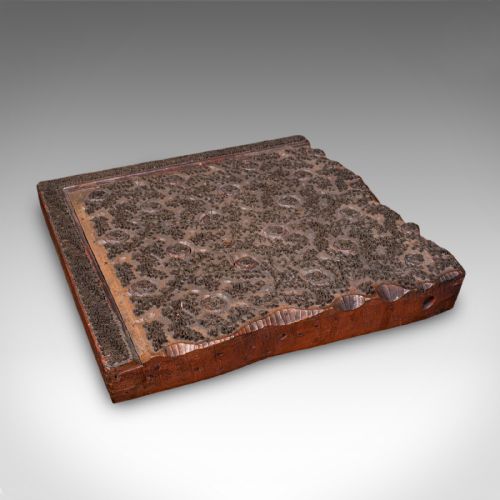
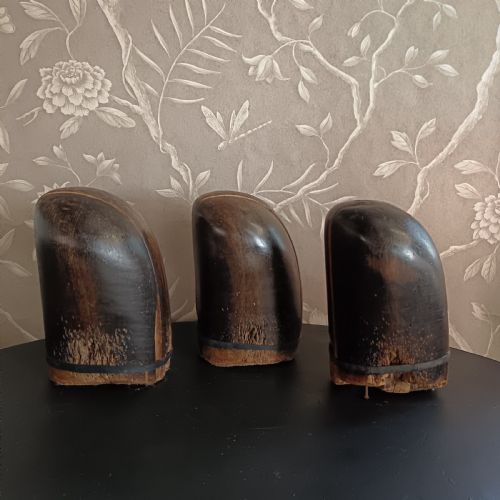
The selections span distinct trades, featuring substantial butcher's blocks on stands alongside specialised millinery equipment and printing stamps. Pieces range from Victorian and Edwardian examples to mid-century items, reflecting the heavy manual trades of their respective eras.
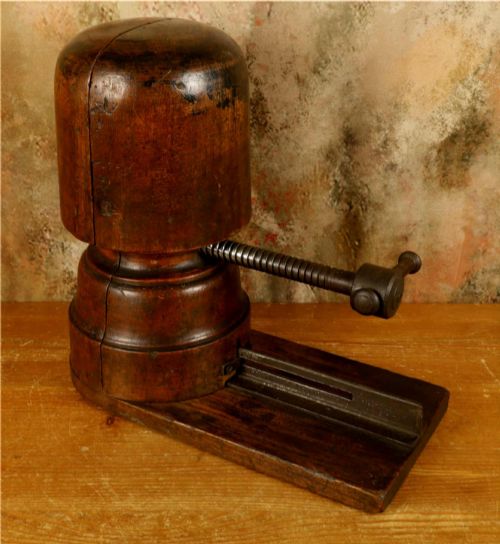
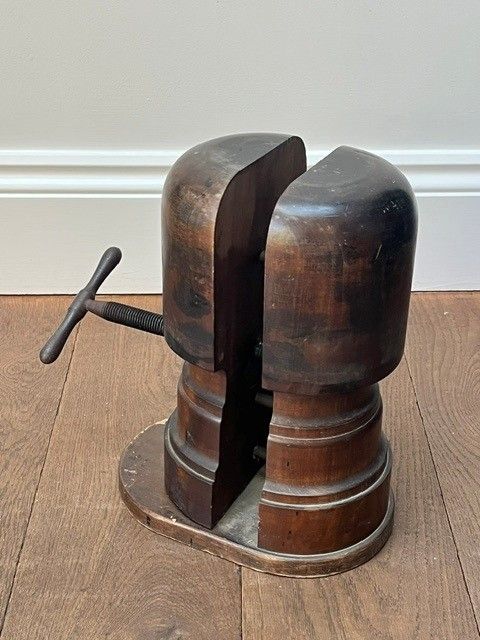
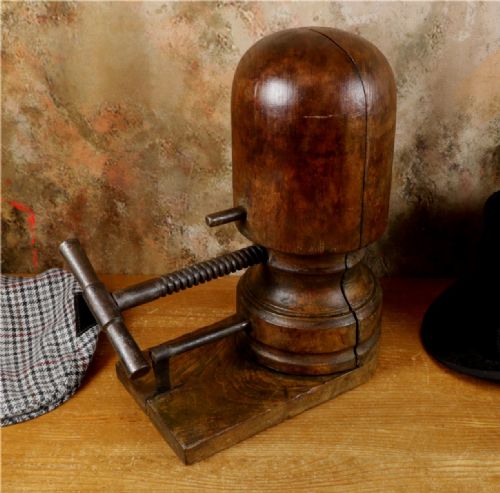
Kitchen islands, hat stretchers, printing blocks, and blacksmith anvils form the core types available. These objects combine dense timbers like beech and hardwood with iron, brass, and steel components, retaining the marks of active workshops.
How they were made
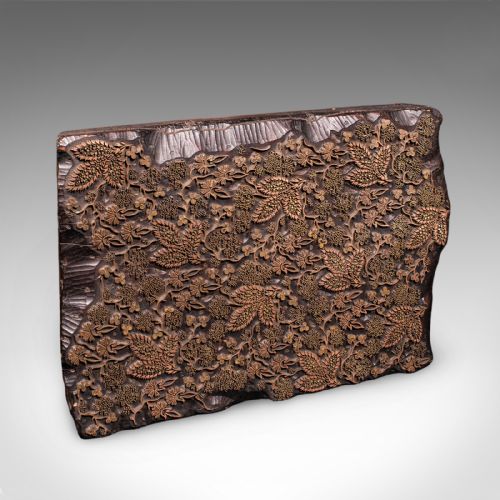
Construction relies on dense hardwoods such as beech, combined with structural iron, cast iron, and steel to withstand heavy daily pressure. Butchers blocks utilise thick end-grain timber bound by metal frames, while printing blocks integrate carved brass pins into wooden bases.
Millinery tools and hat stretchers involve turned wooden forms fitted with brass expansion mechanisms or iron screws. Blacksmith anvils and related equipment merge heavy cast iron working surfaces with solid wooden or metal supports.
Industrial Wooden Block Retail Price Guide 2026
Typical asking prices for industrial wooden block among the pieces listed under this phrase on Sellingantiques today, from the lower quarter to the upper quarter. They describe what is for sale here now, not the wider market.
Current listings feature items spanning the Victorian era through to the 1950s, constructed from beech, hardwood, iron, and brass.
What varies in quality
Quality rests in the integrity of the primary timber and the robustness of any integrated metalwork, such as brass pins in printing blocks or iron screws in hat stretchers. Items that retain their original operational mechanisms and unmodified stands command greater attention from collectors.
The depth of patination accumulated through decades of actual workshop use dictates the visual appeal of each piece. Surface wear tells the authentic history of the object, distinguishing genuine workshop survivors from later decorative imitations.
The Industrial Wooden Block Glossary
- Butcher's block
- A heavy table or freestanding block constructed from thick wooden sections, designed for preparing meat. These items show deep surface scoring from cleavers and knives.
- Millinery equipment
- Tools used in hat making, including wooden hat stretchers, sizers, and shaped blocks. They are formed from solid timber to shape felt and straw headwear.
- Printing block
- A carved wooden stamp inset with brass strips used for transferring patterns onto textiles or wallpaper. They demonstrate intricate hand-punched metalwork.
- Patina
- The surface sheen and colour developed on wood and metal through years of handling, cleaning, and exposure. It acts as an indicator of genuine age.
- Anvil
- A heavy iron block with a flat top upon which hot metal is hammered. These are fundamental blacksmithing tools built for extreme durability.
Industrial Wooden Block: Frequently Asked Questions
What were industrial wooden blocks used for?
These blocks served specific industrial and mercantile functions, ranging from meat preparation in butcher shops to shaping hats in millinery workshops. Others acted as presses for textile printing or provided sturdy bases for metalwork.
Their robust construction allowed them to endure heavy daily impacts, heat, and moisture without failing. This functional heritage gives each piece a distinct, purposeful form.
How do I clean a butcher's block?
Maintenance involves scraping away debris and applying food-safe mineral oil to nourish the dry hardwood. Avoid harsh chemical detergents or soaking the wood in water, which can cause cracking.
Regular oiling preserves the deep colour of the timber while maintaining the historic surface texture accumulated through active use.
How do I date a hat block?
Dating relies on examining the manufacturing techniques, wood species, and any accompanying metal hardware or maker stamps. Victorian and Edwardian examples often feature hand-turned hardwoods and simple iron adjustment screws.
Mid-century pieces may incorporate different fasteners or machine-finished surfaces, reflecting the industrial standards of later decades.
Can I use printing blocks as wall art?
Carved wooden printing blocks with brass inlay make striking decorative wall pieces due to their intricate geometric patterns. Their sculptural quality allows them to be displayed flat or mounted securely.
Ensure any mounting method respects the historical fabric of the carved wood and metal pins without causing permanent damage.
Are hat stretchers still adjustable?
Many antique hat stretchers retain functioning brass or iron expansion screws that allow the wooden segments to move. The operational capability depends on whether the metal threads remain clean and free from old blockages.
Testing the mechanism requires gentle handling to avoid stressing the aged timber components.