

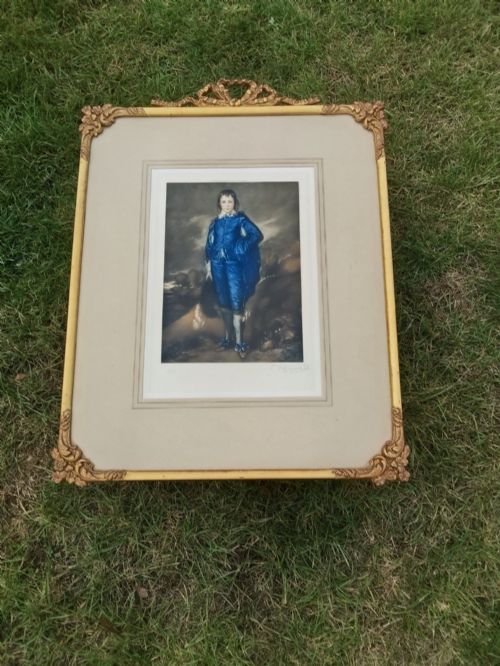
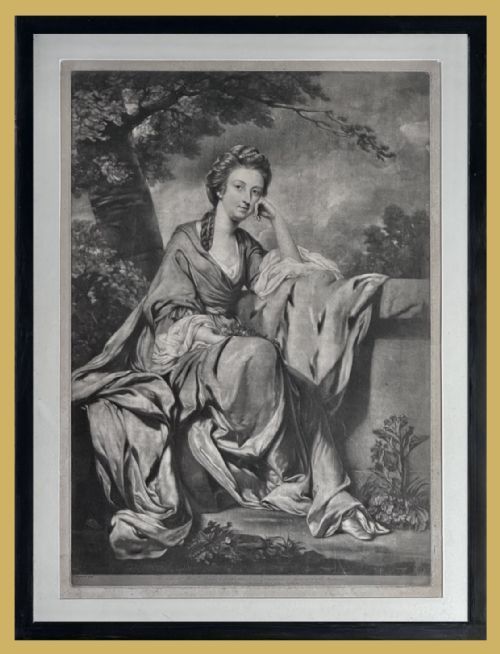
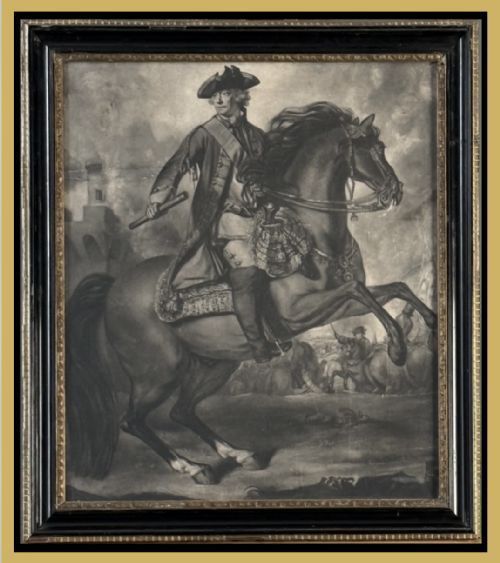
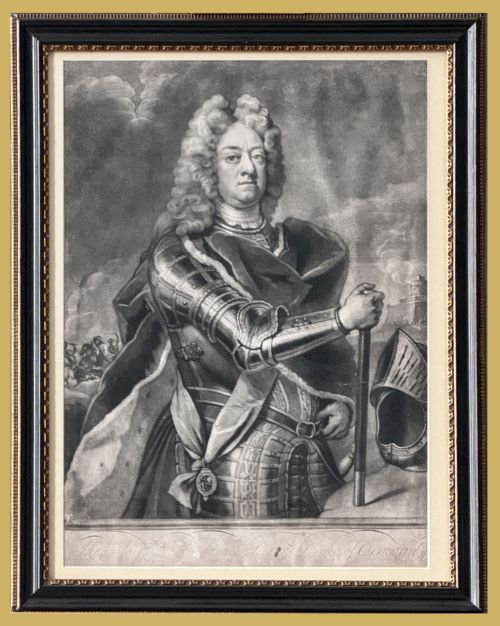
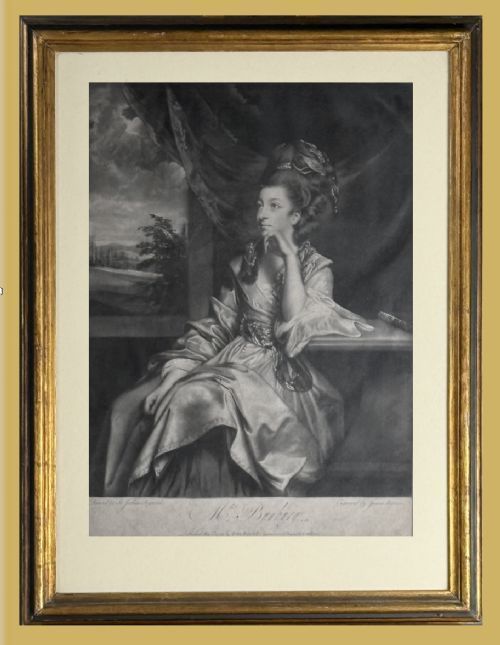

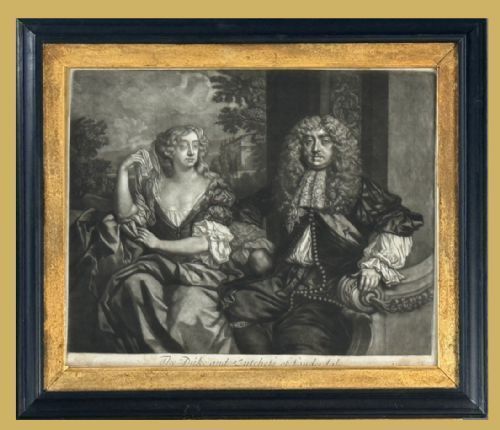
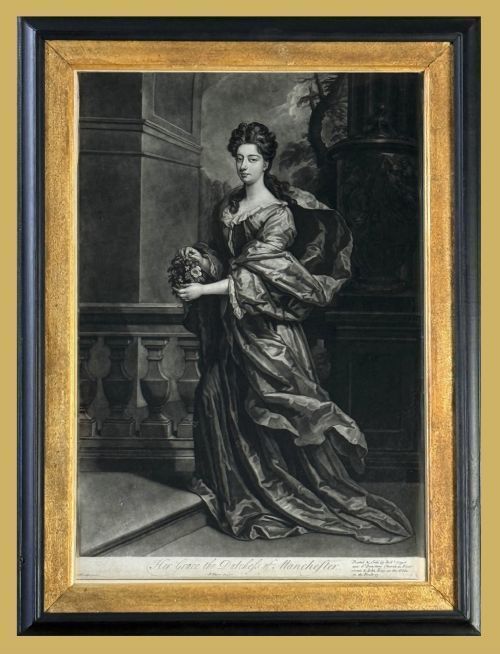
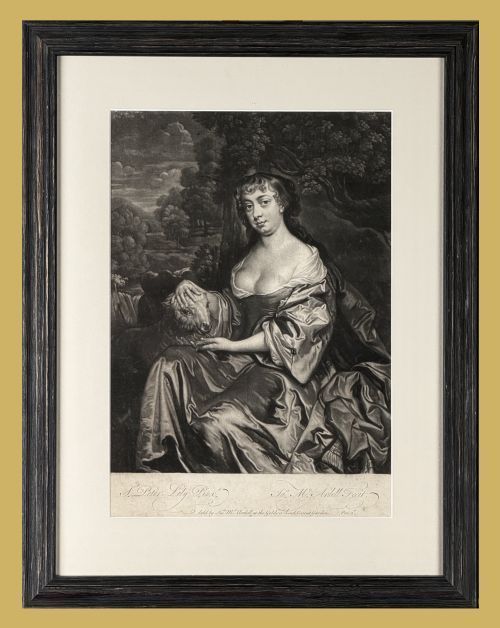



Vintage Mezzotint Artwork
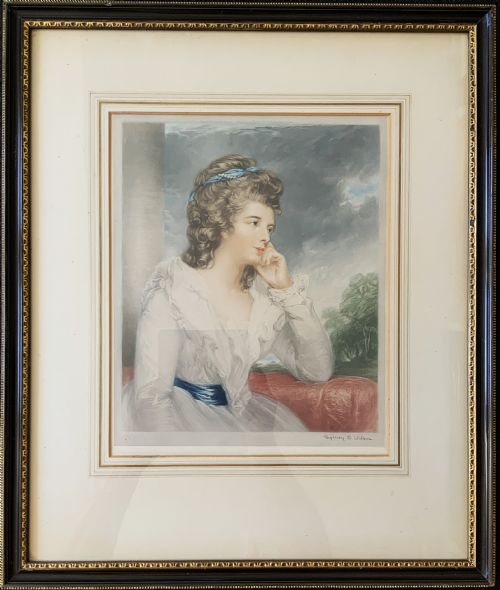
These vintage mezzotint artwork pieces bring rich tonal depth and historic portraiture to a room, offering tactile ink textures captured from copper plates.
Vintage Mezzotint Artwork
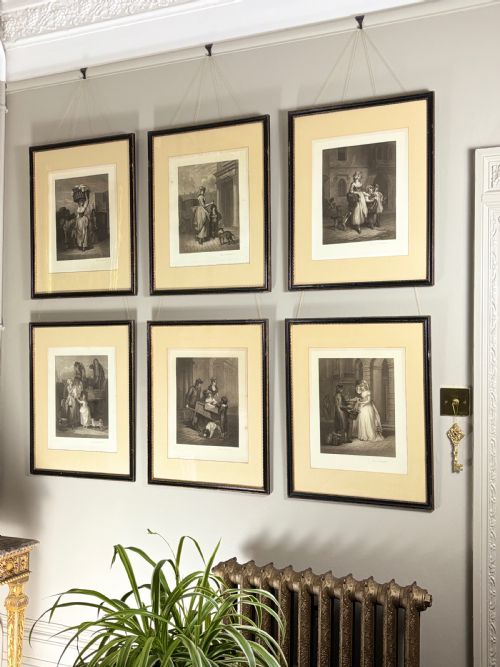
Vintage mezzotint artwork encompasses historic framed prints and engravings dating from the seventeenth century through to the Edwardian era, featuring notable figures and decorative subjects. A buyer searching this phrase encounters detailed portraiture after masters like Sir Joshua Reynolds and Sir Peter Lely, alongside domestic scenes and seasonal sets.
The selections span distinct periods including the Georgian, Regency, and Victorian eras, preserved in formats ranging from single framed plates to complete sets. Paper and glass serve as the primary supports, often housed within period timber or gilt frames.
Materials and printmaking techniques
Mezzotint printmaking relies on roughening a copper plate with a rocker to create tiny burrs that hold rich, velvety pools of ink, producing subtle tonal gradations rather than hard lines. Printers then smooth areas of the plate to generate highlights, transferring the inked image onto paper under pressure.
Alternative techniques such as reverse printing place the ink directly onto glass, creating a luminous surface often paired with gold leaf or gilt wood frames. Hand-colouring sometimes enhances these monochrome prints, introducing delicate hues to the ink and paper.
Vintage Mezzotint Artwork Retail Price Guide 2026
Typical asking prices for vintage mezzotint artwork among the pieces listed under this phrase on Sellingantiques today, from the lower quarter to the upper quarter. They describe what is for sale here now, not the wider market.
Listings feature works produced on paper and glass across the seventeenth, eighteenth, nineteenth, and early twentieth centuries.
Factors determining quality
The depth of the ink impression and the crispness of the plate define the visual richness of the image, as copper plates wear down over successive printings. Early impressions retain a velvety darkness and fine detail that later strikes often lose.
The integrity of the framing materials, from original Hogarth wood moulding to gilt leaf surrounds, contributes significantly to the piece. Preservation of the paper or glass surface without excessive fading maintains the intended contrast of the artwork.
John Simon·Edward Fisher·John Smith·James Watson·James McArdell·John Faber Jr·Robert Williams·Sydney Wilson·Thomas G Appleton·Edward Stodart
The Vintage Mezzotint Artwork Glossary
- Mezzotint
- A printmaking process where the copper plate is roughened uniformly and scraped back to produce tonal variations and deep shadows. This technique allows for subtle gradients rather than traditional line work.
- Rocker
- A curved steel tool with fine teeth used by the printmaker to pit the copper plate evenly. Rolling this tool across the metal creates the burdled texture necessary for holding ink.
- Reverse glass print
- An image applied directly to the rear side of a glass sheet, often viewed from the front for a glossy finish. This technique appeared frequently in eighteenth-century interior decoration.
- Artist proof
- An early trial impression pulled before the main edition, typically retained by the printmaker or artist. These impressions often show exceptional clarity and detail.
- Gilt wood
- Timber frames finished with a thin layer of gold leaf or metallic paint. They provide traditional decorative borders for historic prints.
Vintage Mezzotint Artwork: Frequently Asked Questions
How do I care for mezzotint prints?
Keep these works away from direct sunlight to prevent the ink and paper from fading over time. Maintaining stable indoor humidity protects both the paper support and the historic wooden frames.
Display the artwork behind appropriate glazing to shield the delicate ink surface from atmospheric dust and moisture.
What periods do these prints cover?
The available pieces span multiple centuries, starting from the seventeenth century and extending through the Georgian, Regency, and Victorian eras up to the Edwardian period. Eighteenth-century examples frequently feature prominent military figures and nobility.
Later nineteenth and early twentieth-century examples continue the tradition through signed artist proofs and decorative sets.
How were reverse glass prints made?
Makers applied ink and paint directly to the reverse side of a glass sheet, often working in reverse so the final image appeared correctly when viewed through the front. This method produced a bright, glossy surface popular in Georgian interiors.
Such pieces frequently utilised specialised pigments and gold leaf to catch ambient room light.
Are these works hand-coloured?
Certain examples feature delicate hand-colouring applied over the black ink impression to introduce subtle tints to costumes and backgrounds. This traditional finish was common in Regency and Georgian decorative sets.
Uncoloured impressions rely entirely on the rich tonal range of the black ink to define form and shadow.