



Vintage Metalwork Bowl
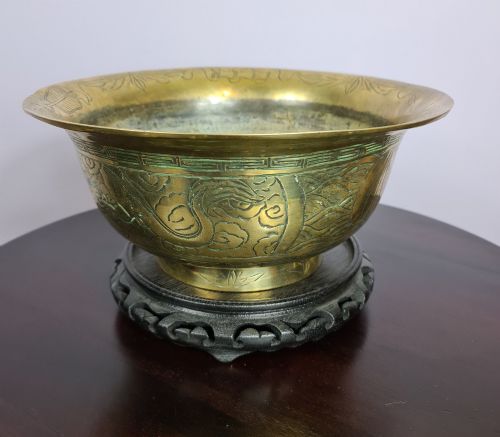
These vintage metalwork bowl examples span the late nineteenth century to the early twentieth century, offering heavy cast bronze, hammered copper, and intricate cloisonne enamel.
Vintage Metalwork Bowl
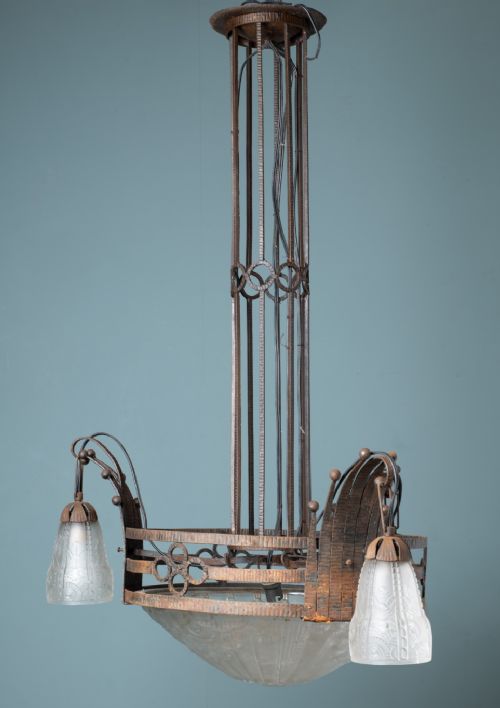
A vintage metalwork bowl encompasses a wide range of decorative and functional vessels produced across various international workshops from the Victorian era into the early twentieth century. Buyers seeking this phrase encounter Japanese cloisonne enamel receptacles, Middle Eastern inlaid copper basins, and European Art Nouveau serving dishes.
The selection on this page leans heavily toward decorative bowls, chargers, and pedestals created during the Arts and Crafts and Meiji periods. These vessels served diverse domestic functions, from tabletop sugar bowls and tobacco ashtrays to large bronze jardinieres and presentation serving dishes.
Origins span widely across British, European, Middle Eastern, and East Asian traditions, bringing together distinct regional metalworking techniques. One finds European factory-produced copper and pewter alongside hand-beaten British copper chargers and intricate Asian bronze casting.
How they were made
Artisans and factories utilised hammering, casting, and repousse techniques to shape copper, brass, bronze, and pewter into vessels. Many pieces feature patinated finishes, silver plating, or applied enamel cabochons.
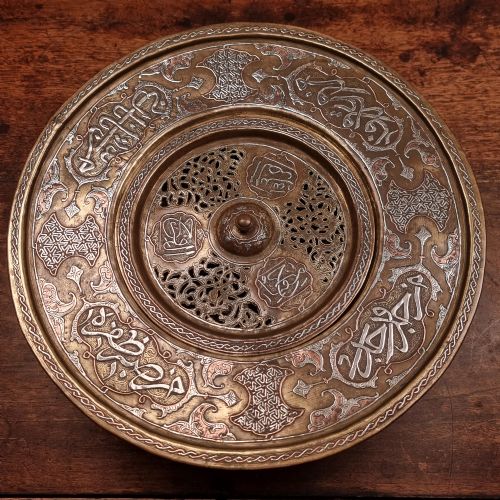
Middle Eastern and Islamic metalwork examples often employ contrasting metal inlays of silver into darkened copper or brass surfaces. Japanese and Chinese pieces rely on meticulous bronze casting or the delicate application of wire cloisonne enamel.
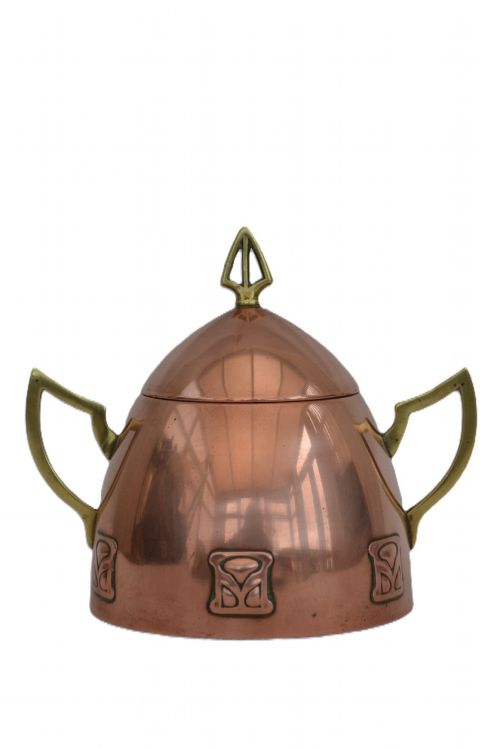
European makers such as WMF and Orivit combined base metals with silver plating, gilding, or inserted glass elements to achieve the flowing contours typical of the Art Nouveau and Secessionist styles.
Vintage Metalwork Bowl Retail Price Guide 2026
Typical asking prices for vintage metalwork bowl among the pieces listed under this phrase on Sellingantiques today, from the lower quarter to the upper quarter. They describe what is for sale here now, not the wider market.
Several small birds and tiny lotuses manage to perch permanently inside nineteenth-century bronze bowls without ever flying away.
What varies in quality
Quality rests upon the crispness of the chasing, the depth of the metal gauge, and the precision of any applied inlays or enamel work. Finer vessels show deliberate hand-hammering marks or controlled patination rather than flat, uniform machine stamping.
Surface preservation dictates much of the appeal, particularly where delicate silver inlay, gilding, or cloisonne cells are concerned. Pieces retaining their original patination and complete enamel without major loss stand notably higher in execution.
WMF·Orivit
The Vintage Metalwork Bowl Glossary
- Cloisonne Enamel
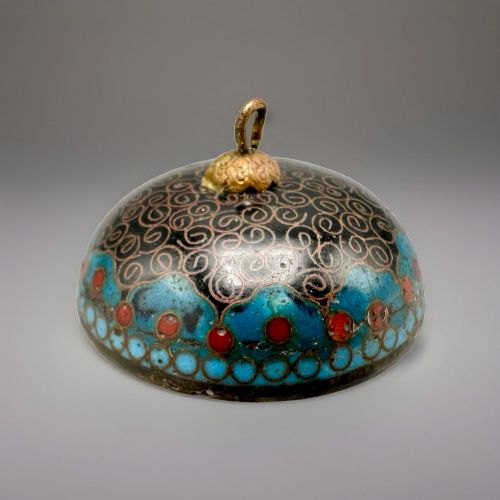
- A technique where thin metal wires are soldered to a metal base to form compartments, which are then filled with vitreous enamel paste and fired. This method creates intricate patterns of coloured glass across bowls and vases.
- Repousse
- A metalworking method in which the artisan hammers a design from the reverse side of a sheet of metal to raise relief details on the front. It is frequently seen on Arts and Crafts copper chargers.
- Cairoware
- Nineteenth-century brass and mixed-metal wares produced in Egypt, heavily decorated with silver and copper inlay in traditional Islamic geometric and calligraphic motifs. These were popular with European travellers of the Victorian period.
- Taza
- An ornamental cup or shallow vessel raised on a stem and foot, used historically for serving food or as a decorative centrepiece. European manufacturers produced them in pewter and silver plate.
- Patinated Copper
- Copper that has been chemically treated or aged to produce a specific surface colour, ranging from deep brown to verdigris. This finish highlights the underlying texture of hammered vessels.
Vintage Metalwork Bowl: Frequently Asked Questions
Are these bowls safe for food use?
Many of these historical vessels were created for decorative display, as presentation pieces, or for dry contents like sugar and tobacco rather than modern culinary service. Older silver plate, unlined copper, and mixed-metal alloys may contain trace elements unsuitable for acidic foods or everyday dining.
It is best to treat these items as decorative objects or centrepieces rather than functional tableware. If used for serving, line them appropriately or restrict them to dry goods.
How can I tell the period of a metal bowl?
Dating relies on observing stylistic markers, manufacturing techniques, and any maker marks stamped onto the base. For instance, flowing organic lines and stylised floral motifs typically point toward the Art Nouveau and Secessionist periods around nineteen hundred.
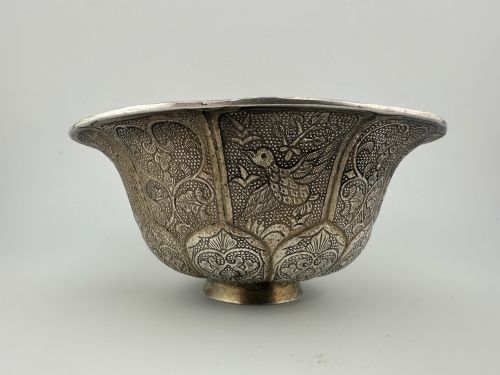
Conversely, heavy cast bronzes with bird and lotus motifs often align with late nineteenth-century East Asian production. Comparing the weight, construction seams, and patination helps narrow down the decade of manufacture.
What is the difference between cloisonne and champleve?
Cloisonne involves soldering thin flat wires onto a metal foundation to create raised walls that contain the enamel colours. Every distinct colour boundary is defined by these visible wire outlines across the surface of the vessel.
Champleve, by contrast, involves carving or etching troughs and depressions directly into the thick metal body of the bowl to hold the enamel. The remaining solid metal walls separate the coloured glass areas rather than applied wire.