


Vintage Metal Tobacco Box
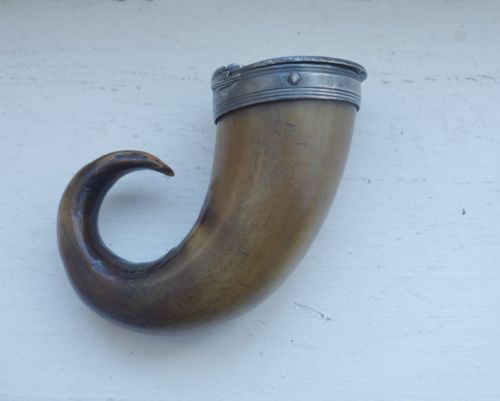
These vintage metal tobacco box pieces span brass, copper, silver and pewter forms designed to hold pipe tobacco, snuff or cigars.
Vintage Metal Tobacco Box
When you search for a vintage metal tobacco box, you encounter a diverse range of containers designed for storing smoking materials across the centuries. The selection encompasses Georgian and Victorian pocket snuff boxes alongside Edwardian brass examples and continental storage tins.
Pocket-sized snuff boxes and cigarette cases appear frequently alongside larger desktop cigar boxes and shop storage jars. These items reflect changing smoking habits from the eighteenth century through the modernist twentieth century.
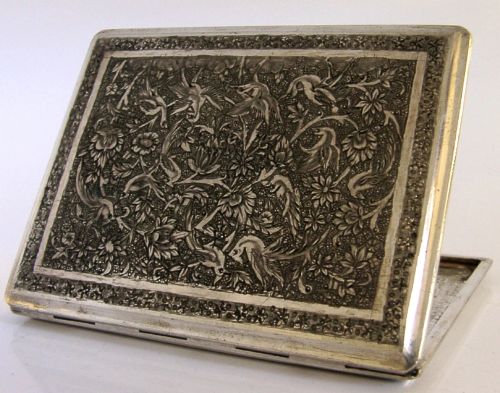
Origins vary widely, taking in English provincial pieces, Dutch and German brassware, French silver gilt work, and Ottoman silver items. This international breadth means forms range from simple engraved pocket tins to elaborate tole ware and precious metal cases.
How they were made
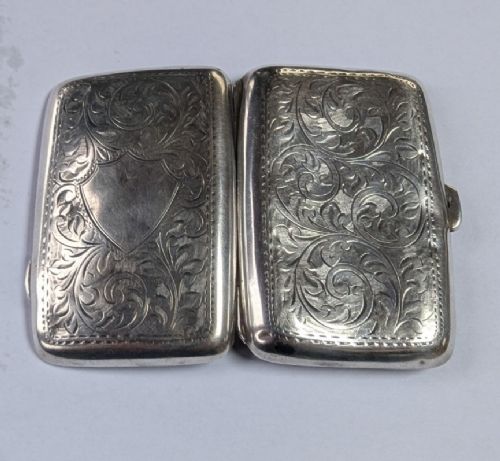
Metals such as brass, copper, pewter and silver form the primary structural body of these pieces, often worked through casting, hammering or pressing. Engraved decoration and surface chasing appear regularly on metalware and snuff boxes.
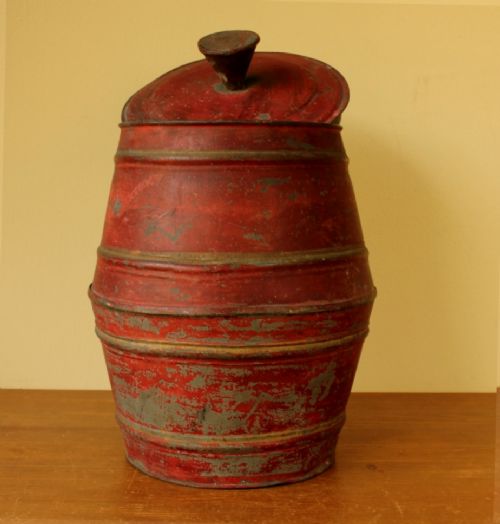
Silver plating, silver gilt and painted tin finishes introduce colour and decorative detail, particularly on tole ware and storage jars. Gold, diamonds and bamboo decoration also appear on select luxury pieces from London and Paris workshops.
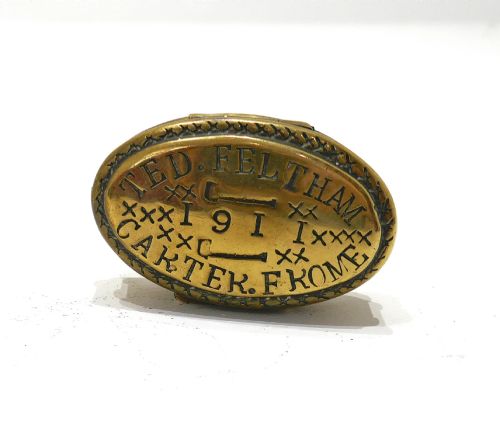
One early twentieth-century brass snuff box carries the personalised engraved name of Ted. Feltham from Frome.
What varies in quality
Quality rests in the precision of the metalwork, the crispness of any engraved inscriptions or decorative motifs, and the integrity of hinges and closures. Substantial weight in silver or solid brass generally indicates superior manufacture compared to lighter plated alternatives.
The sophistication of the design execution, from simple provincial utility items to intricate French modernist or Arts and Crafts creations, dictates the distinction between standard and exceptional pieces.
Carter Frome·Crevillen Paris
The Vintage Metal Tobacco Box Glossary
- Snuff box
- A small pocket container specifically made to hold ground tobacco for nasal ingestion. These often feature tightly fitted hinged lids to preserve freshness.
- Tole ware
- Metalware, usually iron or tin, coated with a lacquer or painted finish. It frequently appears in decorative domestic storage pieces from the nineteenth century.
- Silver gilt
- Silver objects that have been coated with a thin layer of gold on the interior or exterior surface. This technique provides a rich golden appearance while utilising a silver base.
- Pewter
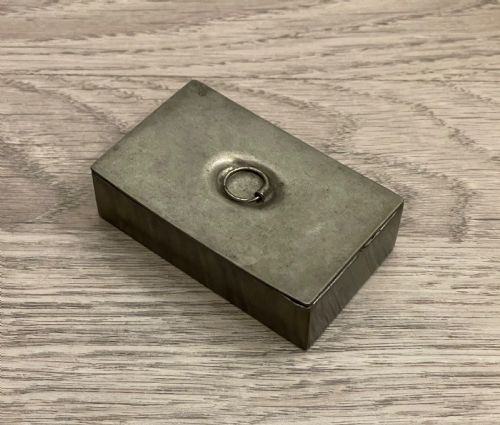
- A malleable metal alloy consisting primarily of tin mixed with copper and antimony. It was frequently utilised for simple eighteenth and nineteenth-century pocket containers.
Vintage Metal Tobacco Box: Frequently Asked Questions
What fits inside a pocket snuff box?
These small containers were traditionally made to hold dry powdered tobacco for personal daily use. Today they suit small keepsakes, pills or stamps.
Their compact scale means they slip easily into a waistcoat or jacket pocket.
How do I clean a brass tobacco tin?
Historic metal surfaces benefit from gentle dusting rather than harsh chemical polishing. Preserving the natural patina maintains the visual character developed over decades.
Avoid abrasive cleaners that can remove fine engraving or surface gilding.
Are all these boxes made in England?
The selection includes pieces from many regions including France, Germany, the Netherlands and Turkey. Different European countries developed distinct styles of metalworking and surface decoration.
Inscriptions and hallmarks often help pinpoint a specific geographic origin.
What is the difference between a cigar box and a snuff box?
Snuff boxes are small enough to carry in a pocket and hold ground tobacco. Cigar boxes and storage jars are larger desktop or shop containers meant to keep multiple cigars or loose tobacco fresh.
Materials also reflect this scale, with heavier woods, metals and ceramics used for stationary storage.