


Vintage Metal Table
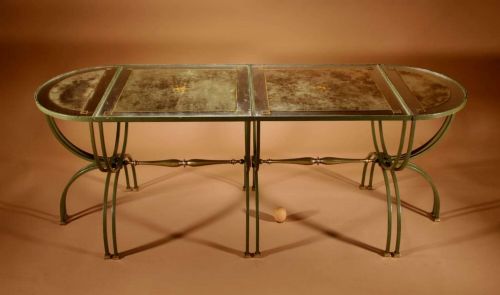
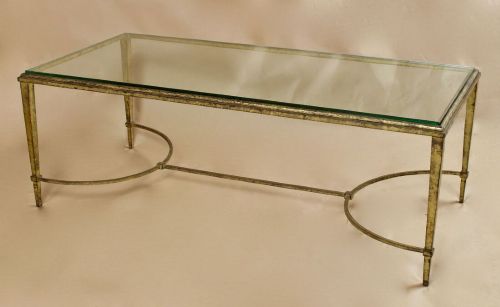
A vintage metal table brings durable character to a room, ranging from robust garden cast iron to gilded French coffee tables.
Vintage Metal Table
When you search for a vintage metal table, you encounter diverse forms spanning side tables, coffee tables, console tables, and garden tables. These objects reflect utilitarian and decorative functions across multiple periods from the nineteenth century through the mid twentieth century.
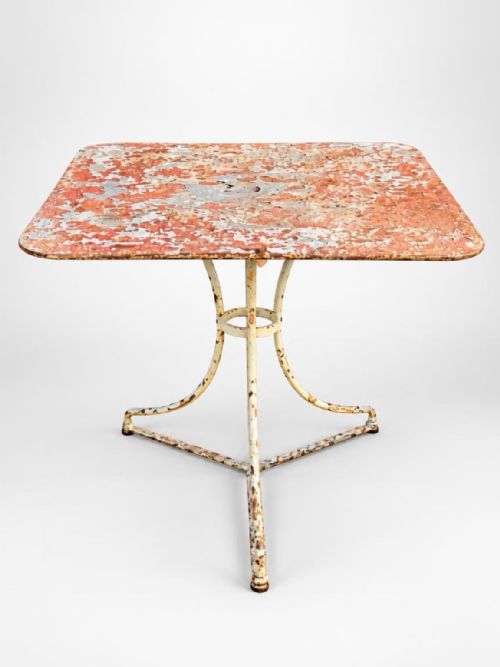
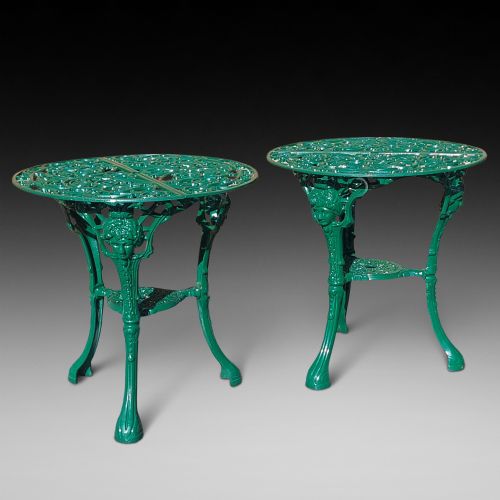
The most common iterations on this page include French coffee tables, garden tables in cast or wrought iron, and side tables integrating glass or marble. Makers utilised materials like brass, bronze, and steel to construct surfaces suited for both interior parlours and outdoor spaces.
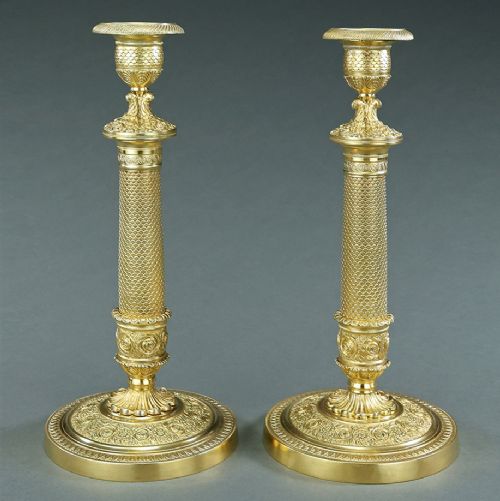
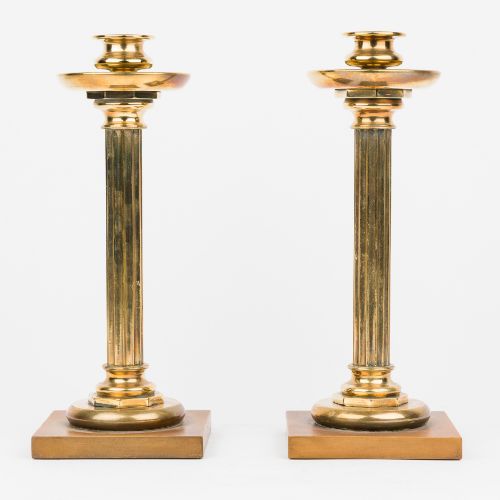
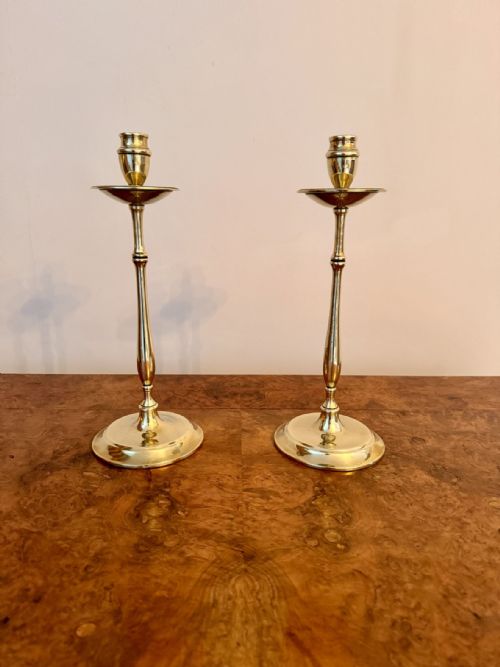
Stylistic influences range from Victorian and Edwardian designs to Art Deco and French Empire aesthetics. Pieces appear alongside related metalwork such as table lamps, candlesticks, and candelabra, demonstrating the broader decorative metal arts of their eras.
How they were made
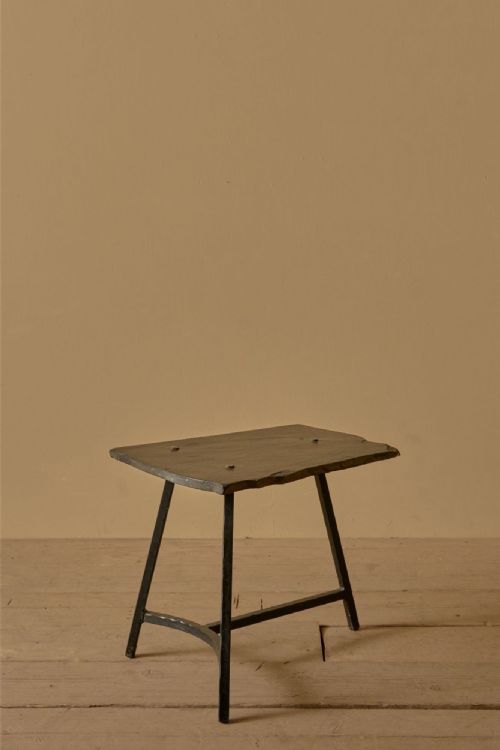
Makers shaped structural elements using cast iron and wrought iron, often combining them with brass, bronze, or gilded metal mounts. For tabletops, materials such as marble, glass, slate, and wood insert directly into metal frames.
Surface treatments recorded in the pieces include original paint, silvering, gilt bronze, and patinated brass finishes. Metal components are forged, cast, or hammered, reflecting the technical standards of nineteenth and early twentieth century workshops.
Vintage Metal Table Retail Price Guide 2026
Typical asking prices for vintage metal table among the pieces listed under this phrase on Sellingantiques today, from the lower quarter to the upper quarter. They describe what is for sale here now, not the wider market.
Metalwork on this page extends to an Art Deco table cigarette lighter shaped like Dick Turpin and a hand-painted Scottie dog.
What varies in quality
Quality rests in the precision of the metalwork and the integration of secondary materials like marble or original glass. Finer examples display crisp casting, careful chasing on bronze and ormolu, and harmonious proportions.
The distinction between standard utility items and high-end decorative pieces lies in the sophistication of the design, such as Maison Ramsay coffee tables or elaborate French Empire candelabra and mounts.
Maison Ramsay·Eileen Grey·E Rousseau·R Varnier·Christofle
The Vintage Metal Table Glossary
- Ormolu
- Gilded bronze, frequently utilised for decorative mounts and candelabra during the eighteenth and nineteenth centuries. This technique involved applying a mercury and gold amalgam to bronze.
- Wrought iron
- Iron that is heated and hammered into shape by hand, resulting in fibrous structures visible in garden tables and console frames. Unlike cast iron, it bends rather than snaps under heavy stress.
- Toleware
- Lacquered or enamelled metalware, often painted in green or other colours. It appears on trays and bouillotte desk lamps.
- Spelter
- A zinc alloy used as a substitute for bronze in figures and decorative objects, often painted to resemble bronze or patinated metal. It is softer and lighter than bronze.
- Cast iron
- Iron poured into a mould to create rigid forms, common in Victorian garden furniture and pub tables. The manufacturing process allows for repeatable ornamental patterns.
Vintage Metal Table: Frequently Asked Questions
How do I date a metal table?
Dating relies on stylistic markers, construction methods, and material combinations recorded in the piece. Victorian and Edwardian examples often feature heavy cast iron or ornate brass, while 1940s pieces lean towards streamlined steel or gilded wrought iron.
Examining fixings, surface wear, and associated movements like Art Deco or French Empire helps narrow the decade of production.
Were these tables for indoor or outdoor use?
Tables on this page served both environments depending on their materials. Robust cast iron and wrought iron pieces were built for gardens and pub terraces.
Conversely, marble top console tables, gilded coffee tables, and glass-topped side tables functioned entirely as interior furniture.
How do I care for vintage metal furniture?
Maintenance depends on the specific metal and surface finish. Painted and lacquered surfaces require gentle dusting, while unlacquered brass or bronze may be polished according to personal preference for patina.
Outdoor iron items benefit from protection against prolonged moisture to prevent active oxidation.
What is the difference between brass and bronze?
Bronze is an alloy of copper and tin, valued for its strength, deep patination, and use in sculptural casts and high-end candlesticks. Brass is an alloy of copper and zinc, offering a brighter, more golden hue.
Both materials appear frequently across lamps, tables, and decorative objects from the nineteenth and twentieth centuries.