

Vintage Metal Sticks
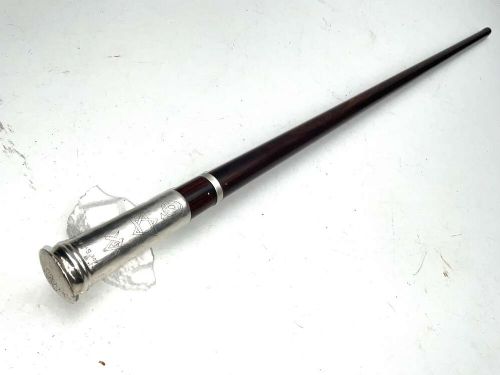
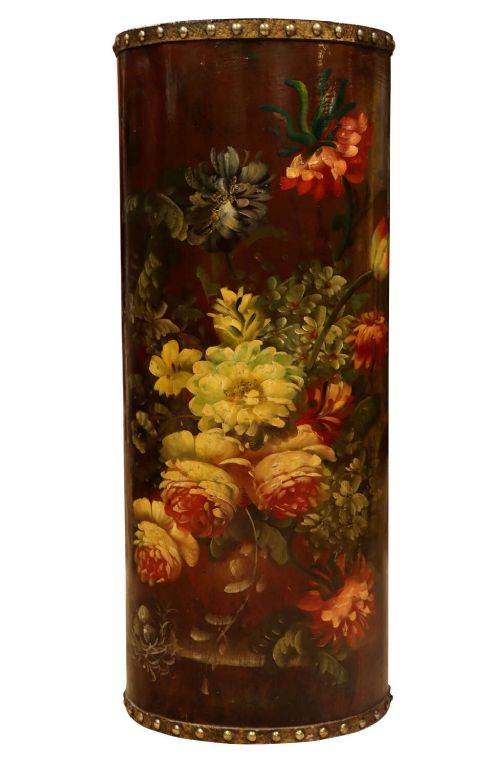
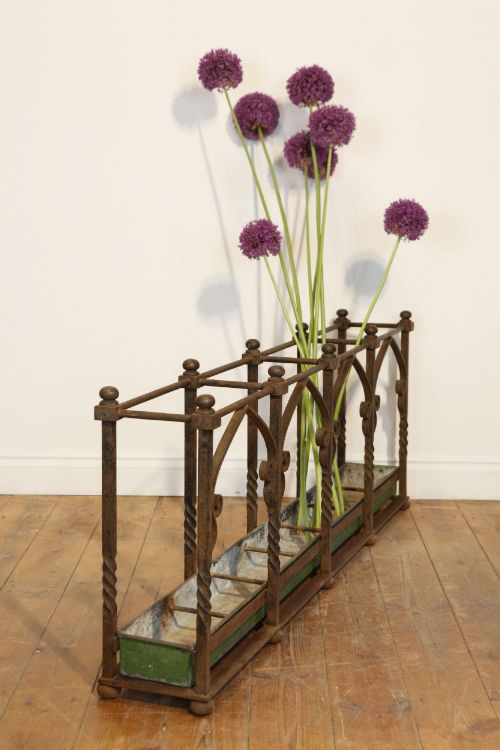
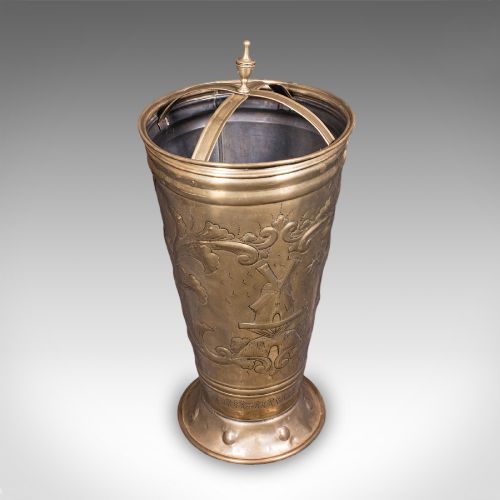
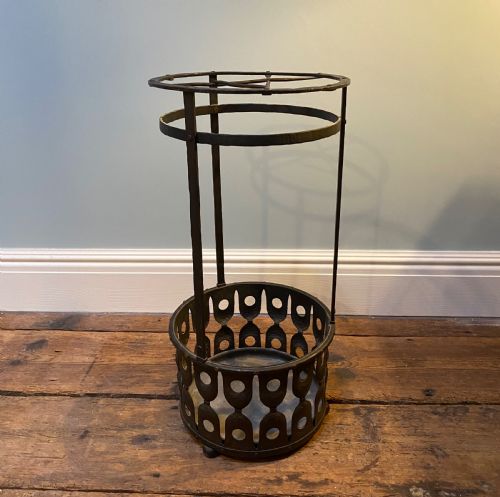
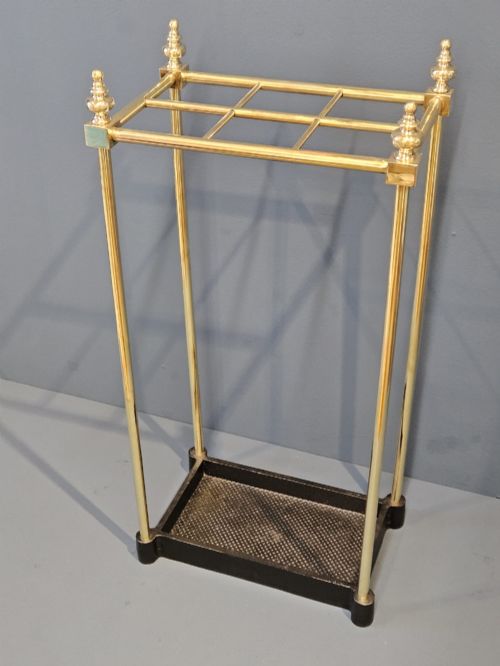
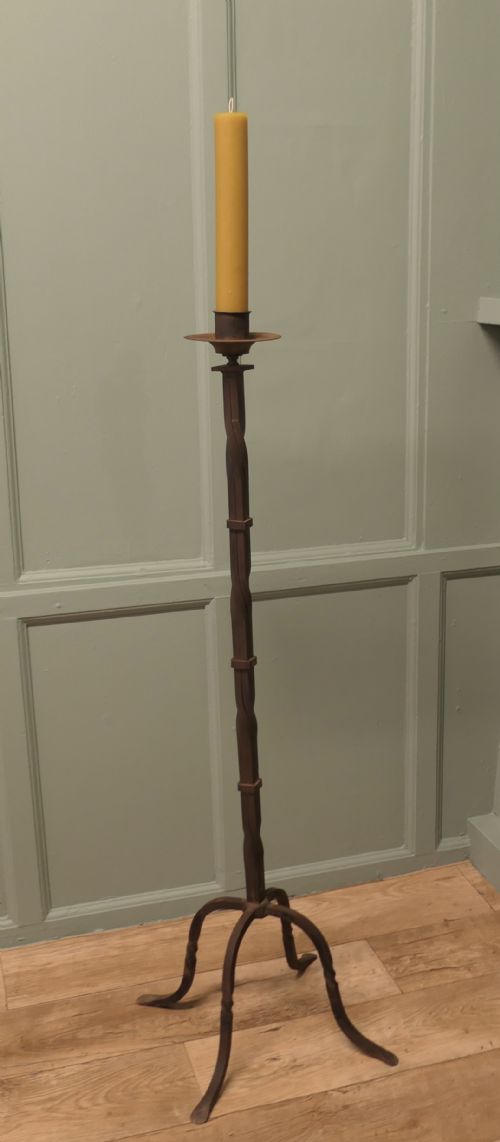
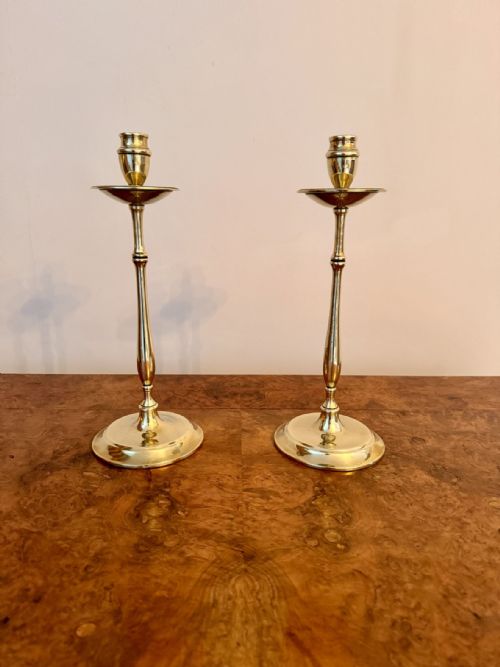
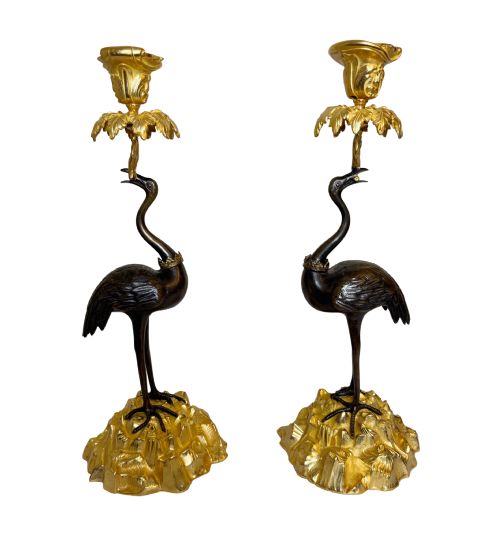
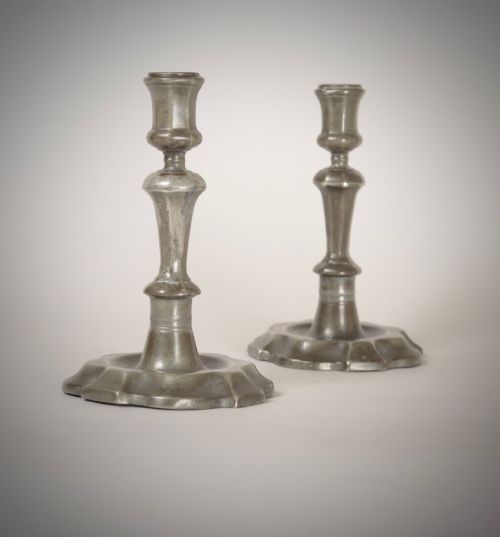
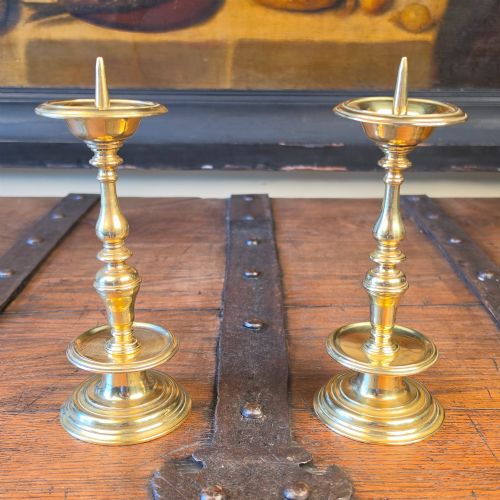
These vintage metal sticks encompass sturdy umbrella stands, hall stands, and floor candlesticks forged from brass, cast iron, and wrought iron.
Vintage Metal Sticks
Vintage metal sticks primarily comprise umbrella stands, stick stands, and candlesticks forged during the nineteenth and early twentieth centuries. Buyers searching for vintage metal sticks encounter various utilitarian hallway furnishings and domestic lighting fixtures designed to hold walking items or candles.
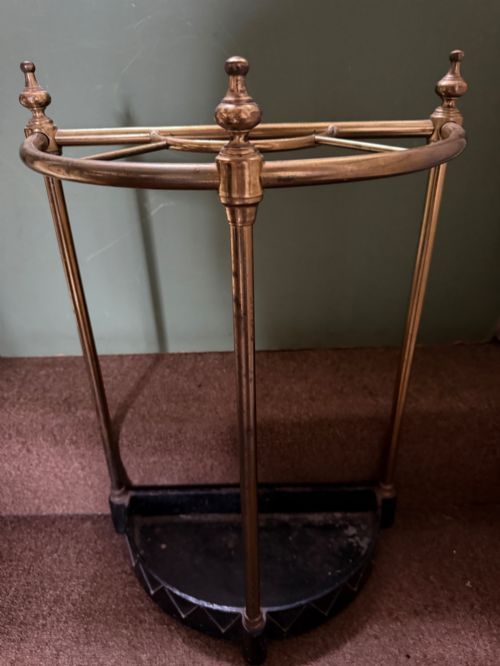
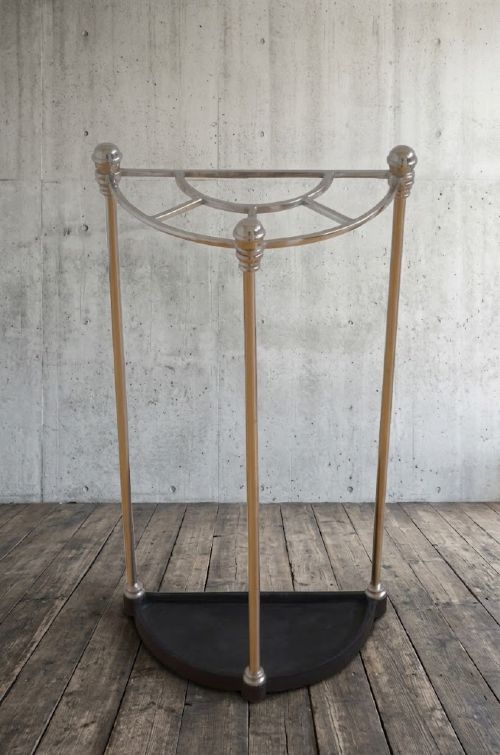
The selection ranges from heavy cast iron hall stands and demi-lune brass umbrella holders to slender wrought iron and nickel-plated floor candlesticks. Examples span distinct periods including the Victorian, Edwardian, and Art Deco eras, reflecting shifting domestic habits.
Most entries combine structural metals with functional forms intended for everyday household use in entrance halls and reception rooms. Dutch and English origins appear frequently alongside French Art Nouveau and Art Deco designs.
Materials and construction
Makers utilised durable metals such as brass, cast iron, wrought iron, and copper, frequently combining them with wooden elements or ceramic components. Cast iron provided the heavy, stable bases necessary for tall umbrella stands and hall furniture.
Sheet brass and nickel plating were shaped into demi-lune frames and cylindrical pots, sometimes accented with enamel finishes or repoussé decoration. Candlesticks employed seamed brass casting or silver plating over base metals to achieve a polished appearance.
Vintage Metal Sticks Retail Price Guide 2026
Typical asking prices for vintage metal sticks among the pieces listed under this phrase on Sellingantiques today, from the lower quarter to the upper quarter. They describe what is for sale here now, not the wider market.
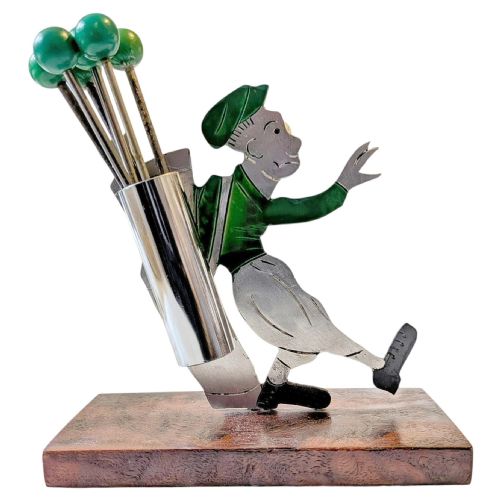
Some Art Deco golfers hold your cocktail sticks ready for the nineteenth hole.
Quality variations
Quality rests on the integrity of the casting work, the weight of the metal utilised, and the crispness of decorative detailing. Heavy cast iron examples from established foundries display sharper relief work and greater structural heft than lighter derivative pieces.
Construction methods such as secure bracing, original drip pans in umbrella stands, and robust joinery distinguish superior items. Well-preserved patination and intact finishes without excessive pitting indicate careful preservation.
Coalbrookdale·Sudre
The Vintage Metal Sticks Glossary
- Demi-lune
- A half-moon shape commonly utilised for umbrella and stick stands designed to sit flush against a hallway wall.
- Cast iron
- An iron-carbon alloy poured into moulds to create heavy, rigid frames and ornate decorative panels for hall furniture.
- Repoussé
- A metalworking technique where the metal is hammered from the reverse side to form a raised design in relief.
- Ejector candlestick
- A type of candlestick containing an internal mechanism to push out the remaining candle stump.
- Silver plate
- A thin layer of silver applied to a base metal such as brass, copper, or pewter to give the appearance of solid silver.
Vintage Metal Sticks: Frequently Asked Questions
What types of vintage metal sticks are available?
The selection includes umbrella stands, walking stick holders, hall stands, and various candlesticks.
Materials range from heavy cast iron and brass to copper, nickel plating, and wrought iron spanning multiple historical periods.
How were cast iron umbrella stands used?
These heavy stands stood in entrance halls and foyers to hold wet umbrellas, parasols, and walking sticks.
Their substantial weight and integrated drip trays prevented moisture from damaging hallway floors.
How do I care for antique brass and iron?
Dust metal surfaces regularly with a soft cloth and avoid harsh chemical cleaners that strip patination.
Cast iron benefits from light oiling if kept in damp environments, while unlacquered brass develops a natural ageing process.
How can I tell Victorian pieces from Art Deco examples?
Victorian pieces often display ornate Gothic Revival, Aesthetic Movement, or heavy floral cast iron motifs.
Art Deco items from the 1930s favour streamlined geometric shapes, nickel plating, and stylised figures.