





Vintage Metal Plaque
A vintage metal plaque brings industrial punch and rich hand-worked detail to a room, offering everything from railway notices to fine Japanese bronze.
Vintage Metal Plaque
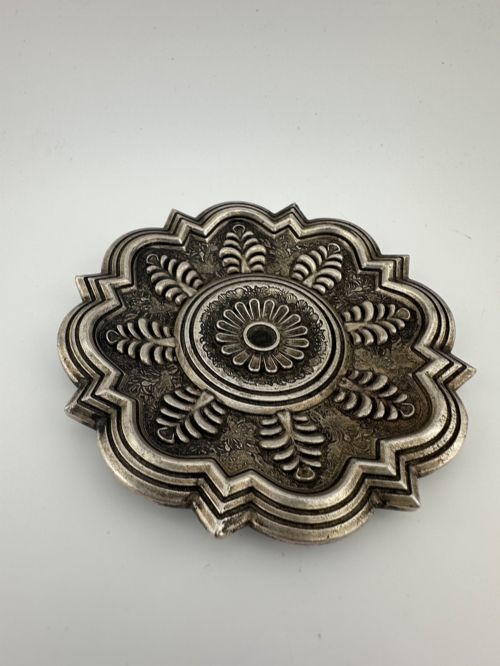
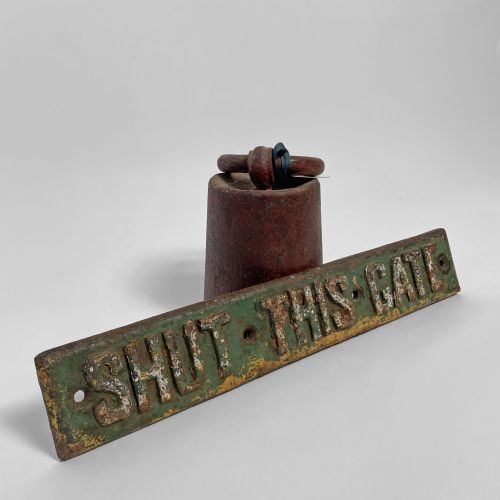
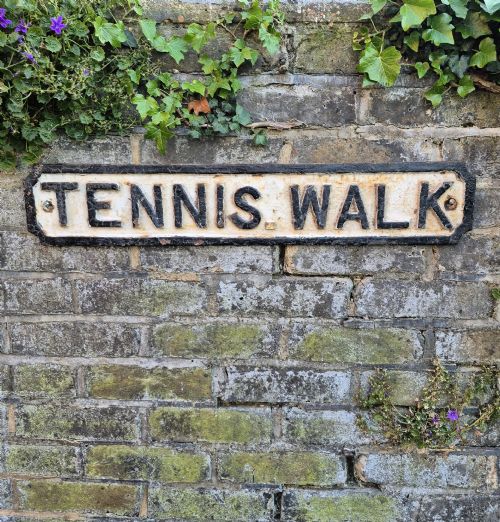
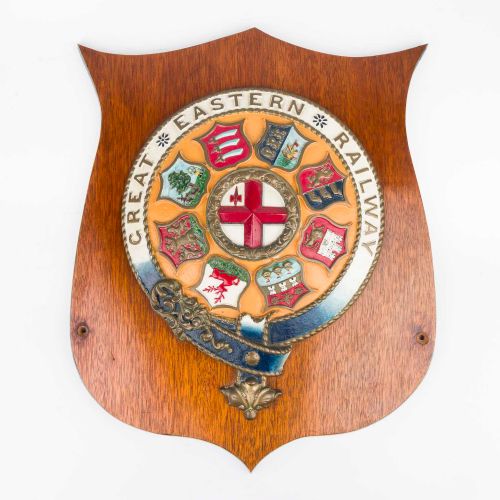
When searching for a vintage metal plaque, buyers encounter a diverse mix of utility and decoration spanning the nineteenth and twentieth centuries. The selection ranges from heavy railway and street notices to intricate brass, copper, and mixed metal decorative chargers.
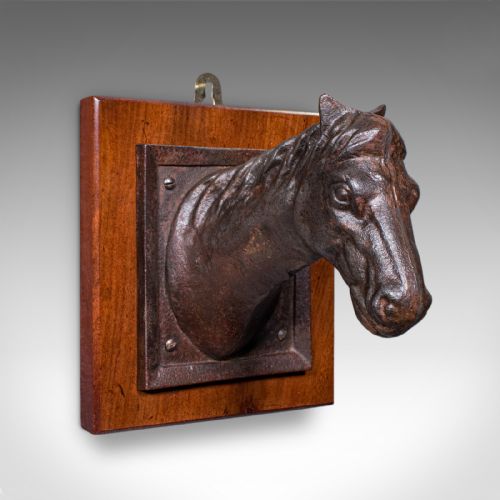
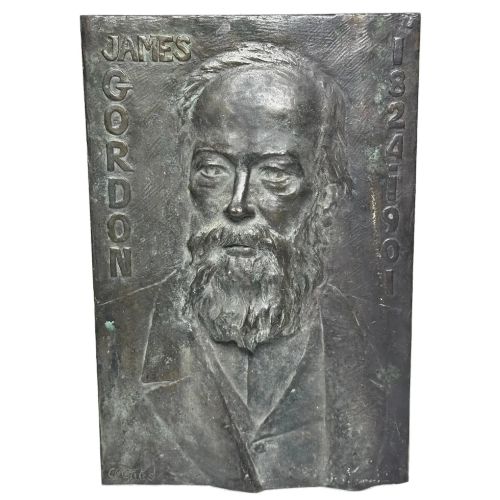
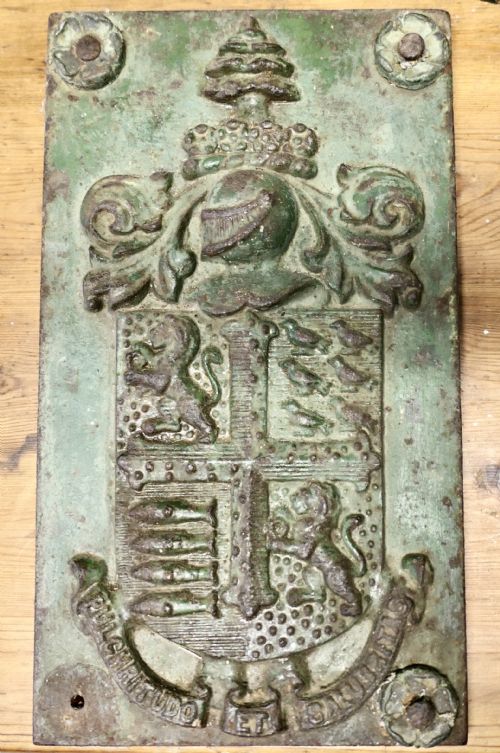
Most pieces stem from periods such as the Victorian and Edwardian eras, alongside later twentieth-century iterations. Forms vary from simple wall signs and armorial plaques to horse busts, portrait medallions, and large decorative trays.
Origins stretch from British railway workshops to Japanese ateliers and Indian regional centres. Buyers select these items to bring distinct historical character and tactile materiality to modern interiors.
Materials and construction
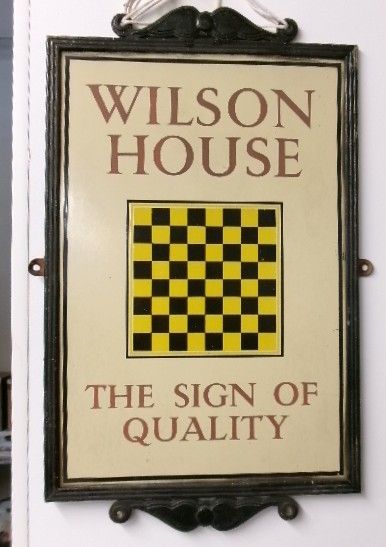
Cast iron and enamel dominate the functional signage, created to withstand public exposure on railway platforms, streets, and tradesman premises. Iron provides rigid weight while enamel offers a durable, glossy surface for painted lettering.
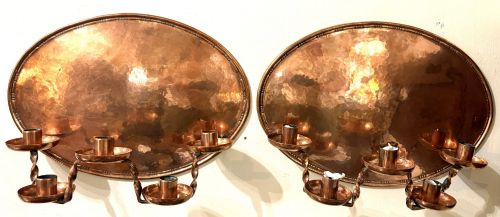
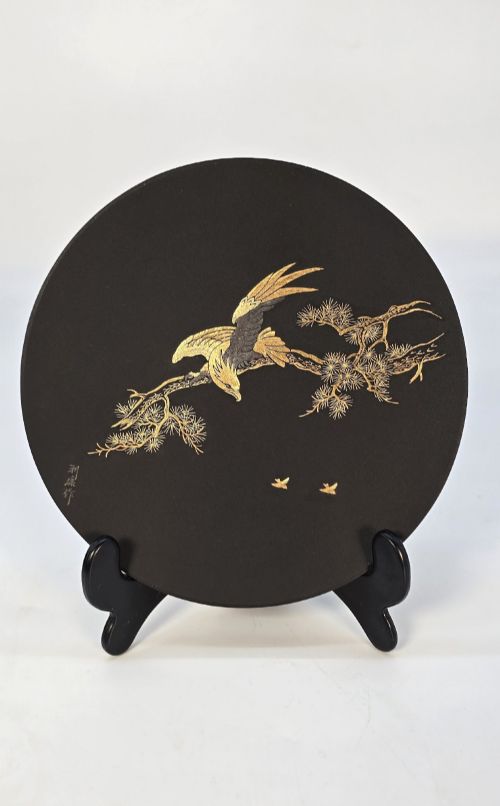
Decorative pieces utilise softer metals like brass, copper, and bronze, often shaped through repoussé work, engraving, or gold and silver inlay. Japanese works incorporate intricate cloisonne enamel, while other items combine mixed metals on wood or onyx plinths.
Listings span from the nineteenth century into the 1930s, featuring materials such as cast iron, enamel, copper, and brass across Britain, France, and Japan.
Distinctions in craftsmanship
In decorative pieces, the distinction lies in the finesse of the hand-engraving, the complexity of repoussé relief, and the precision of metal inlay. Pieces bearing artist attributions or specific historical foundry marks command greater attention from collectors.
Alice Gates·Gustav Grohe·H. Meeson
The Vintage Metal Plaque Glossary
- Repoussé
- A metalworking technique where a design is hammered into relief from the reverse side. This creates tactile, three-dimensional decorative surfaces on copper and brass chargers.
- Cloisonne
- An ancient technique for decorating metalwork objects with coloured material held in place by thin metal strips. Japanese trays in the evidence use this method to depict birds and figures.
- Toleware
- Enamelled and painted metalware popular in the nineteenth century. It often depicts classical or narrative scenes on a dark ground.
- Armorial
- Relating to heraldry and family or institutional coats of arms. These plaques display official crests cast in iron or brass.
Vintage Metal Plaque: Frequently Asked Questions
What are vintage metal plaques made from?
The selection includes cast iron, brass, copper, bronze, and mixed metals, frequently paired with enamel paint or wood.
Industrial signs rely on iron and fired enamel, whilst decorative chargers and wall plaques use softer copper and brass.
How do I hang a heavy iron plaque?
Due to the substantial weight of cast iron and bronze pieces, secure fixings directly into wall studs or proper masonry anchors are essential.
Smaller signs often feature pre-cast mounting holes designed for sturdy screws.
Are enamel signs weather resistant?
Original public and railway signs were engineered for outdoor exposure using fused glass enamel on iron.
While they tolerate sheltered outdoor spots, indoor display preserves the remaining paint and prevents underlying rust.
How do I date a metal wall sign?
Dating relies on the manufacturing technique, typography styles, and the specific historical context mentioned in the piece.
Victorian and Edwardian pieces often display distinct lettering styles alongside railway or municipal crests from those decades.