

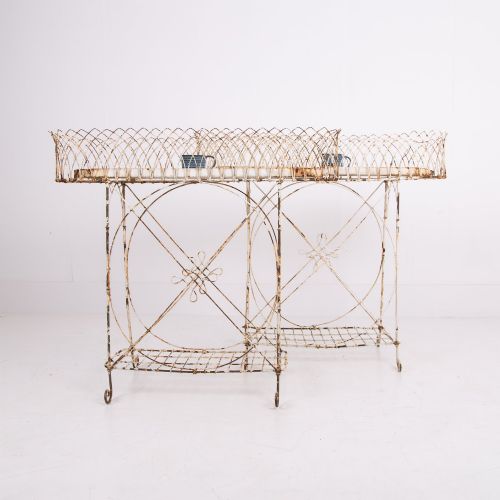
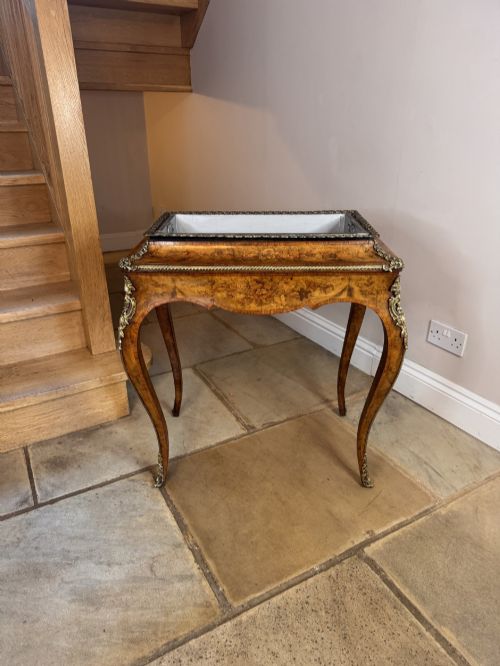
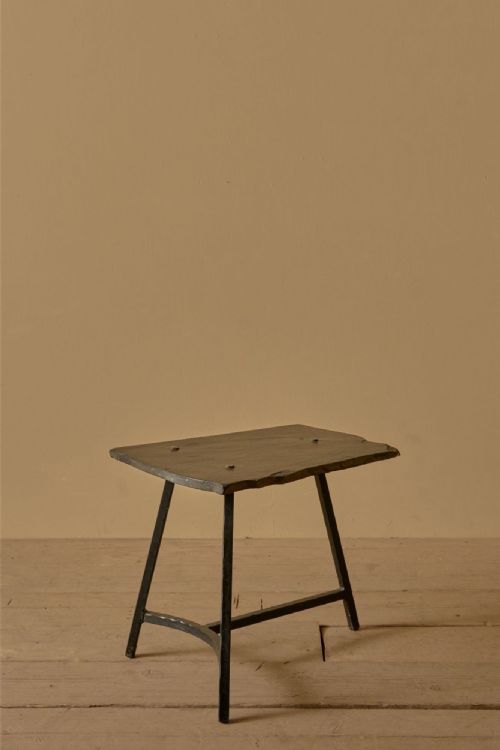
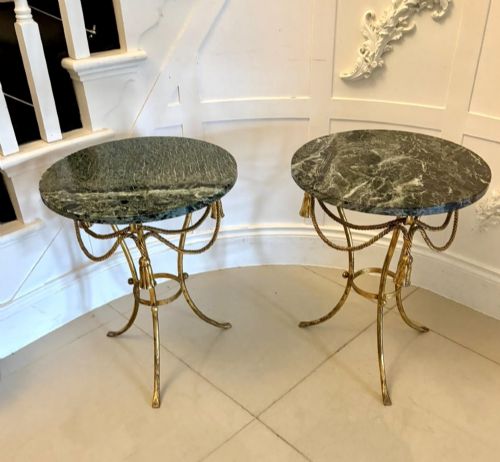




Vintage Metal Plant Table
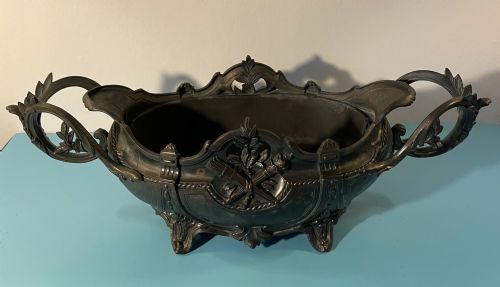
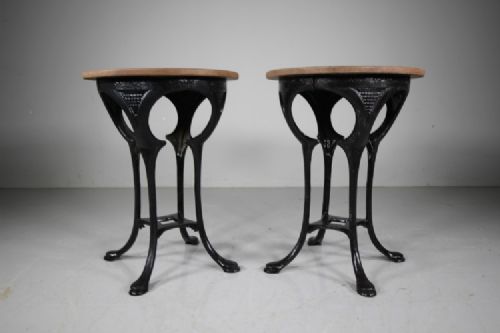
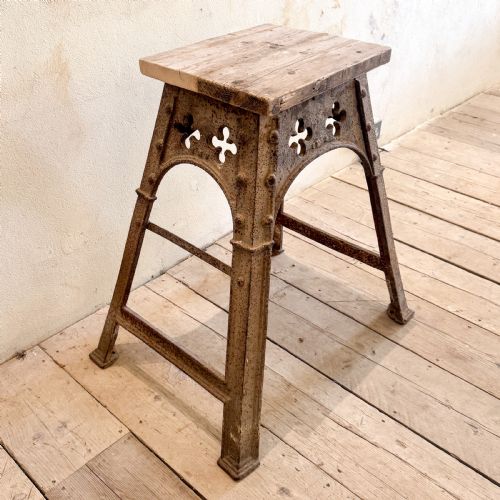
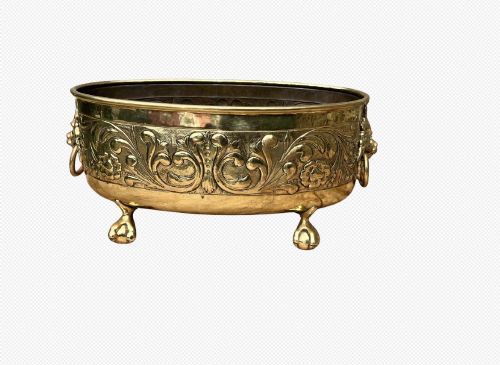
These vintage metal plant table examples bring architectural strength and botanical display together through cast iron, wrought iron, and brass work.
Vintage Metal Plant Table
A vintage metal plant table serves as a sturdy surface for displaying greenery, spanning forms such as garden tables, plant stands, and jardinieres. When exploring this selection, a buyer encounters pieces originating from the Victorian, Edwardian, and twentieth-century periods.
The material construction combines robust structural metals like cast and wrought iron with decorative accents in brass and copper. Many examples incorporate wooden or marble tops to balance the industrial metal framework.
Materials and construction methods
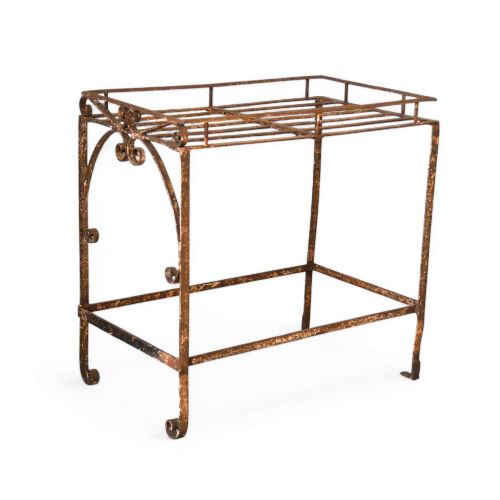
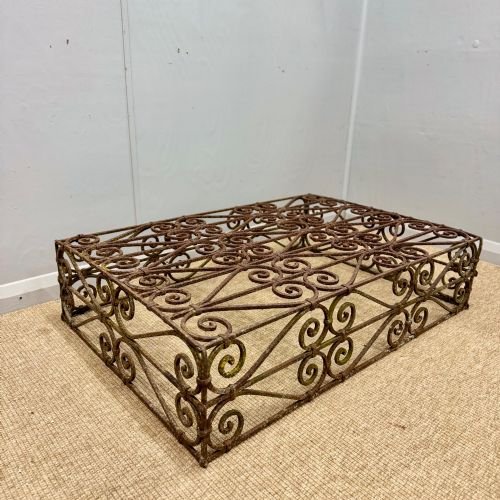
Makers utilised cast iron for heavy, durable garden tables and plant stands, employing moulds to create intricate textural details. Wrought iron was hammered and forged by hand for lighter frames, garden racks, and wash stands.
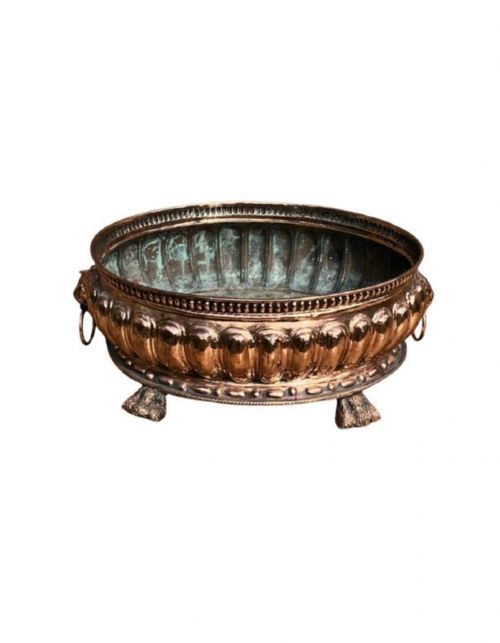
Brass and copper appear extensively in planters and jardiniere stands, often paired with ormolu mounts, engraved trays, and marble or onyx inserts. Wood elements such as satinwood, walnut, and golden oak provide contrast to the primary metal structures.
Vintage Metal Plant Table Retail Price Guide 2026
Typical asking prices for vintage metal plant table among the pieces listed under this phrase on Sellingantiques today, from the lower quarter to the upper quarter. They describe what is for sale here now, not the wider market.
Distinctions in quality
Quality rests in the crispness of the metal casting, the integrity of the joinery in forged iron frames, and the thickness of the brass or copper used in vessel construction. Finer pieces display careful chasing, crisp engraving, and integrated ornamental details rather than plain industrial fabrication.
The choice of secondary materials marks the upper tier of production. Top examples incorporate matched marbles, fine burr walnut or satinwood veneers, and original glass or toleware components that elevate a utilitarian garden piece to an interior showpiece.
Archibald Knox
The Vintage Metal Plant Table Glossary
- Jardiniere
- An ornamental pot or stand for holding plants or flowers. These vessels often feature liners in zinc, copper, or brass.
- Gueridon
- A small round table supported by one or more columns or figures. Nineteenth-century French examples frequently appear in painted cast iron.
- Ormolu
- Gilded bronze or brass mounts applied to furniture and decorative objects. This technique adds bright metallic highlights to walnut and mahogany surfaces.
- Toleware
- Enamelled or painted sheet metalware developed in Europe. It often forms decorative floral arrangements and small wine or plant tables.
Vintage Metal Plant Table: Frequently Asked Questions
What is a vintage metal plant table used for?
These tables provide elevated surfaces for potted plants, ferns, and floral displays inside conservatories, drawing rooms, and gardens.
Historically, they protected delicate plants from cold flooring and brought greenery to the centre of Victorian living spaces.
How do I care for a brass and iron plant stand?
Keep metal surfaces dry and clean them gently with a soft cloth to preserve patination and avoid abrasive polishes.
Protect wooden or marble inserts from standing water by using saucers underneath potted plants.
Can I use these plant tables outdoors?
Cast and wrought iron garden tables withstand outdoor environments when treated for weather exposure and protected during winter months.
Indoor conservatory pieces fashioned from polished brass or fine woods are better kept away from persistent dampness.
How do I identify Victorian and Edwardian periods?
Victorian examples rely heavily on robust cast iron, dark woods, and ornate ornamentation suited to formal nineteenth-century interiors.
Edwardian pieces often feature lighter wire work, simpler lines, and brighter brass or copper reflecting a shift towards airy conservatory living.