


Vintage Metal Park Bench
A vintage metal park bench anchors an outdoor space with enduring structure, bringing architectural presence and weathered charm to lawns, terraces and gardens.
Vintage Metal Park Bench
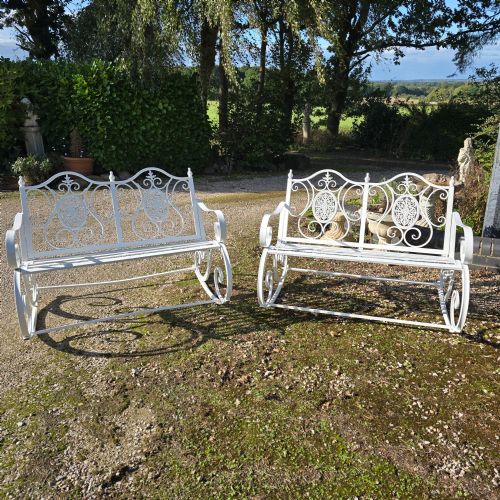
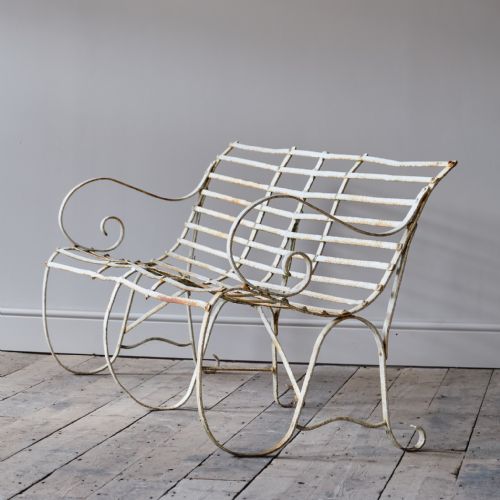
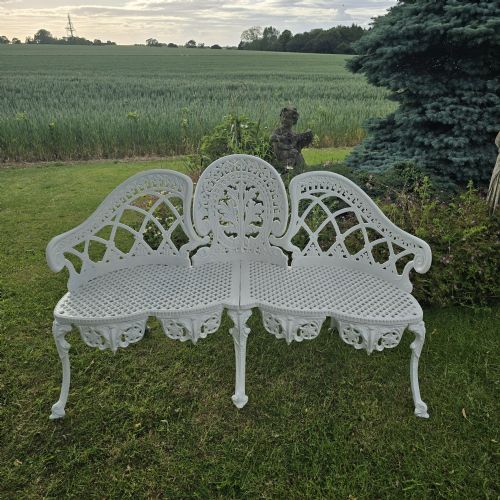
A vintage metal park bench combines sturdy metal framing with practical outdoor seating, taking forms ranging from two-seater garden seats to grander four-seater configurations. Pieces appearing here span the nineteenth century, Victorian era, Edwardian period and interwar years, offering a direct link to historic garden design.
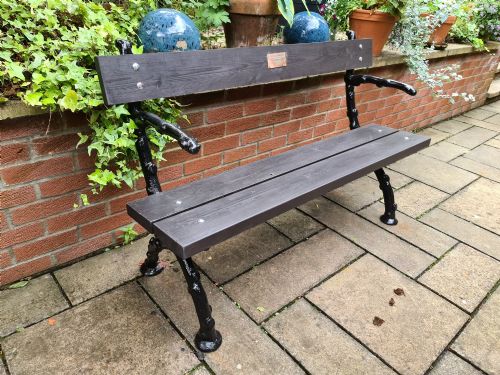
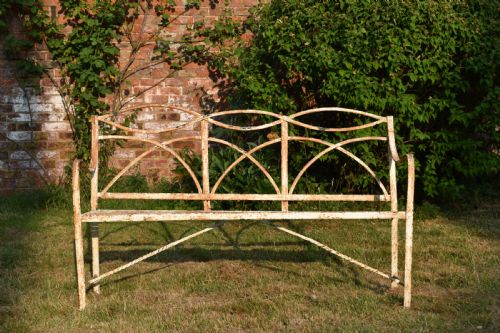
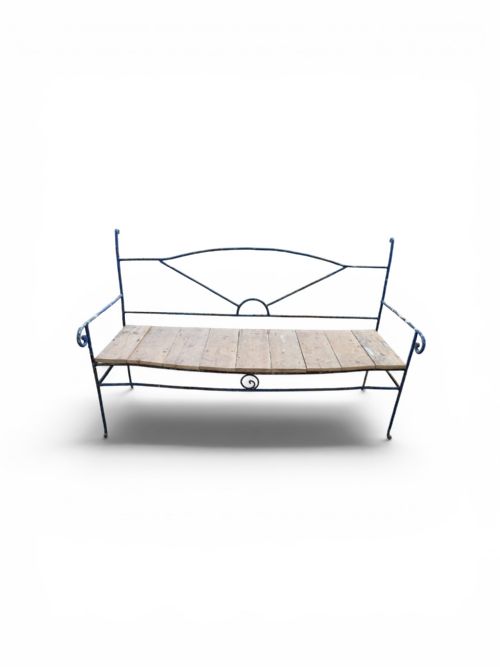
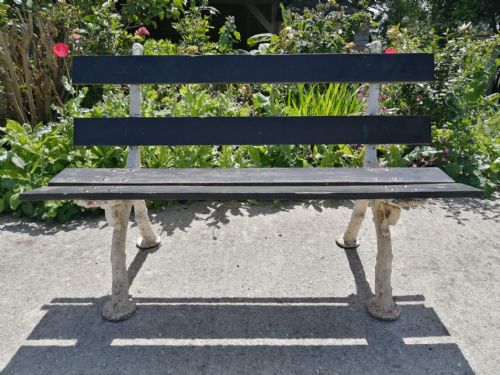
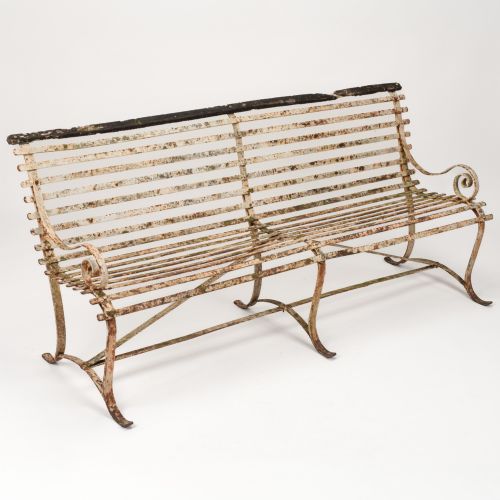
Most examples rely on durable metal frameworks paired with wooden timber slats, or cast entirely in robust iron. Styles encompass classic Regency strapwork, decorative French Arras patterns, and rustic Victorian motifs.
Buyers encounter garden armchairs and garden benches designed specifically for outdoor placement, combining heavy metal elements with supportive seats intended to withstand the elements.
How they were made
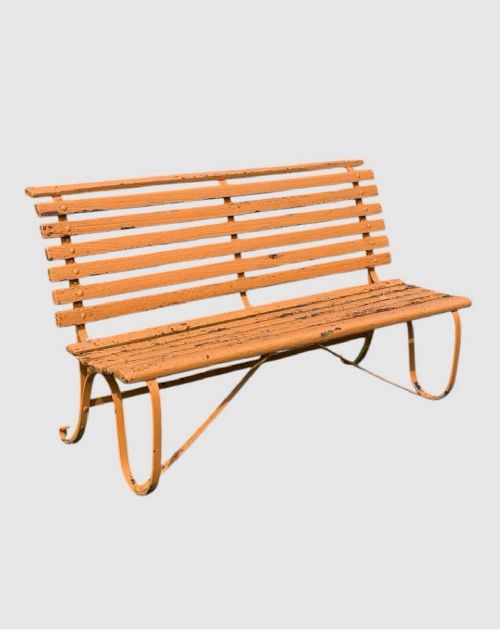
Construction relies heavily on cast iron and wrought iron, utilised for structural frames, scrollwork supports and decorative ends. These metals are frequently combined with wooden timber slats to form the seating and backrests.
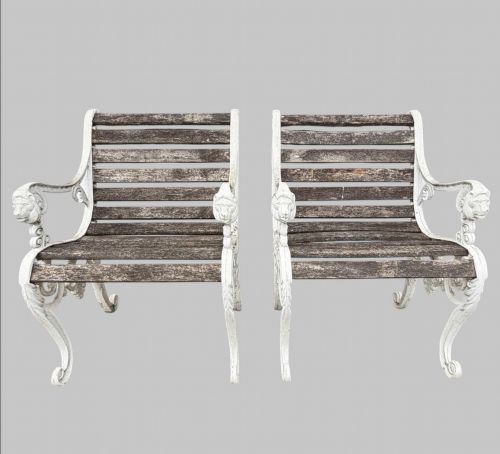
Designers employed casting techniques for intricate details like lion masks and faux bois branch motifs, alongside riveted or forged strapwork for linear Regency patterns.
Layers of original or renewed paint provide both colour and a protective barrier against weathering, accumulating a rich patina over decades of exposure.
Certain benches feature cast iron lion masks keeping a silent, steadfast watch over the lawn.
What varies in quality
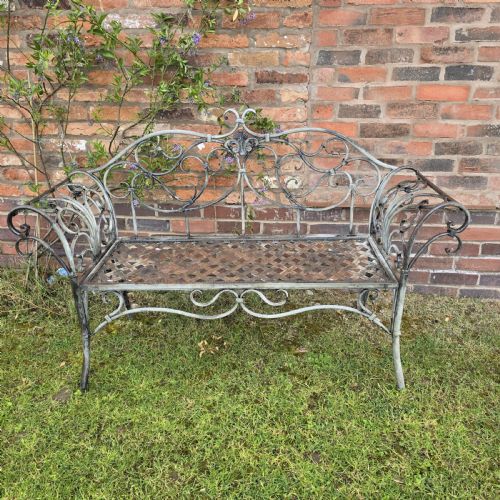
Quality rests in the crispness of the cast metal ornamentation and the finesse of the forged strapwork. Finer examples display sharp detailing in motifs such as foliage, animal masks or interlaced scrollwork.
The integrity of the construction materials dictates structural longevity, with heavier cast components and sound timber slats separating superior utilitarian seating from simpler iterations.
Coalbrookdale
The Vintage Metal Park Bench Glossary
- Cast iron
- Iron poured into a mould to create solid, highly decorative components. This technique allows for complex patterns and sturdy structural ends.
- Wrought iron
- Iron heated and hammered into shape by hand, producing flexible, strong bars used in strapwork and scroll designs.
- Strapwork
- A decorative pattern formed of flat, intersecting metal bands resembling leather straps. It defines many Regency and nineteenth-century designs.
- Faux bois
- A technique imitating wood grain in cast metal or other materials. It gained popularity during the Victorian era for rustic garden furniture.
- Arras
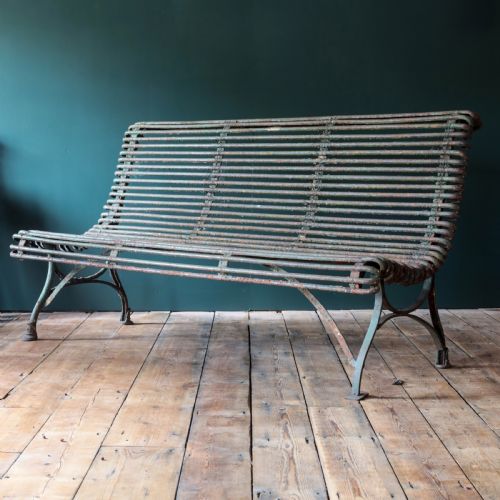
- A distinct style of French iron garden furniture, often associated with specific curved slat construction and robust metal frames.
Vintage Metal Park Bench: Frequently Asked Questions
How do I care for a vintage metal bench?
Maintain the piece by checking painted surfaces regularly and addressing any exposed metal promptly. Gentle cleaning preserves existing layers of historic paint and protects the underlying iron.
Position the bench on stable ground to prevent undue stress on the metal frame and timber joints. During harsh winter months, storing the bench under cover helps safeguard the materials.
Can these benches stay outdoors all year?
Historic metal garden seats handle outdoor placement well due to their durable iron construction. However, continuous exposure to moisture can accelerate weathering on any integrated timber elements.
Protecting the wooden slats with appropriate treatments and keeping metal components sealed prolongs the usable life of the bench outdoors.
How do I distinguish Regency style from Victorian?
Regency designs favour linear strapwork, geometric symmetry and restrained iron scrollwork. The aesthetic leans towards classical restraint and refined proportions.
Victorian pieces often introduce heavier ornamentation, including naturalistic motifs like faux bois, animal masks and denser foliage patterns, reflecting a taste for decorative abundance.
Are these benches comfortable for daily use?
Most garden seats from the nineteenth and early twentieth centuries prioritise sturdy construction and upright posture. Ergonomics reflect the period's preference for formal outdoor seating.
Adding fitted cushions transforms a historic metal bench into a comfortable spot for prolonged sitting on a patio or lawn.