



Vintage Metal Flower Stand
These vintage metal flower stand pieces are sturdy plant holders and display tables that elevate greenery inside the home or out on the patio.
Vintage Metal Flower Stand
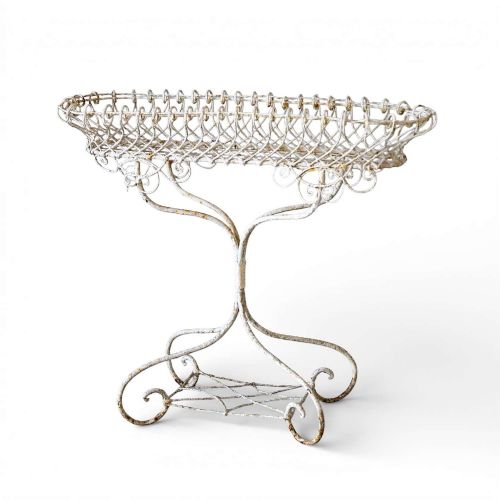
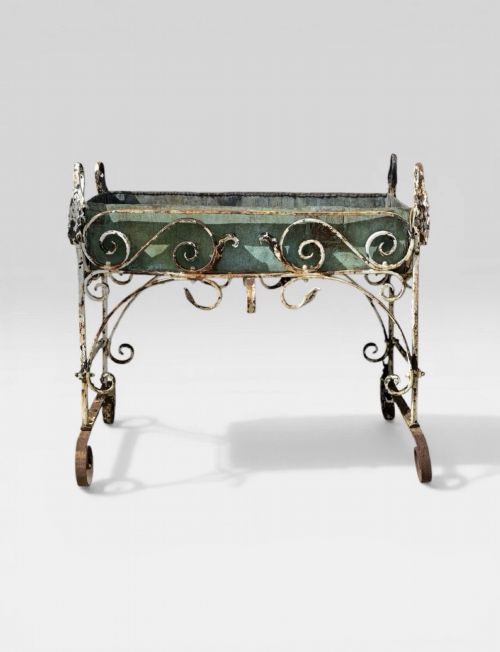
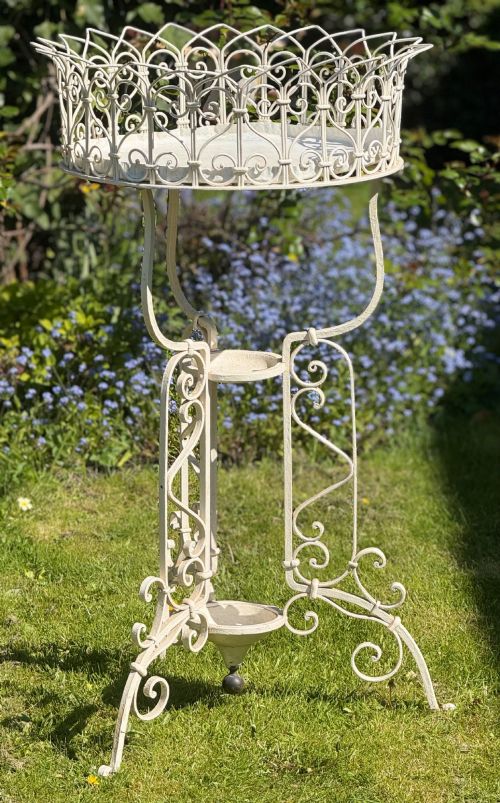
A vintage metal flower stand is a functional piece designed to elevate plants, combining utility with decorative metalwork. When searching for a vintage metal flower stand, buyers encounter tiered structures, single urns, and fitted jardinieres meant for garden and interior display.
The selections span multiple eras, bringing together Victorian tiered cast iron designs, Edwardian brass stands, and earlier Georgian wirework pieces. These items serve to hold potted plants and garden urns securely while adding architectural interest to a room or terrace.
How they were made
Makers utilised durable metals such as cast iron, wrought iron, and brass, shaping them through casting, forging, and riveting. Many examples incorporate scrollwork, lattice baskets, and fitted stands designed to hold heavy pots.
Surface finishes include original paint and weathered patinas that show the age of the iron and brass. Some items combine metal frames with wooden elements like satinwood and walnut, or incorporate marble and onyx details.
The listings span the nineteenth and twentieth centuries, featuring materials from cast iron and brass to satinwood and marble.
What varies in quality
Quality rests in the precision of the metalwork, from hand-forged scrollwork to clean cast iron tiers. Better examples retain their original structural integrity and surface patination without excessive replacement parts.
The complexity of the design distinguishes standard utility pieces from more decorative works, such as those with Dutch Art Nouveau brass detailing or multi-tiered slatted iron construction.
The Vintage Metal Flower Stand Glossary
- Jardiniere
- An ornamental pot or stand for plants and flowers. These often sit within a dedicated metal or wooden frame.
- Wrought iron
- Iron that has been heated and worked with tools by a blacksmith. This material allows for flexible scrollwork and durable outdoor frames.
- Cast iron
- Iron poured into a mould to create rigid forms. It provides the heavy base needed for multi-tiered plant stands.
- Ormolu
- Gilt bronze used for decorative mounts and decorative hardware. It appears on finer display pieces from the period.
- Lattice basket
- An openwork metal structure resembling woven strips. This style forms the top container on several plant stands.
Vintage Metal Flower Stand: Frequently Asked Questions
Where should I place a plant stand?
These stands suit both indoor living spaces and sheltered outdoor patios. They hold potted greenery, trailing plants, and floral arrangements.
Keep them away from damp areas if the metal finish is prone to further weathering. A corner or beside a window allows the tiered designs to display multiple plants effectively.
How do I clean cast iron stands?
Remove surface dust with a dry cloth and a soft brush for intricate scrollwork. Avoid harsh chemical cleaners that strip original painted surfaces.
Patina develops over decades and requires minimal intervention beyond gentle dusting. Preservation of the existing surface maintains the character of the iron.
Can these hold heavy pots?
Cast iron and wrought iron variants provide substantial weight capacity for larger potted plants. Tiered structures distribute weight across multiple levels.
Check the base stability before placing very heavy ceramic pots on upper tiers. Balanced weight distribution prevents tipping on uneven floors.
How do I date a metal stand?
Examine the manufacturing techniques, such as riveted joints versus modern welding. Material choices like brass, wirework, and painted cast iron point to specific nineteenth and early twentieth-century periods.
Stylistic cues like Art Nouveau curves or Georgian wirework help narrow down the decade of production. Comparative examination of known period pieces confirms the timeline.