


Vintage Metal Box
A vintage metal box brings together utility and craftsmanship, offering practical storage with a distinct historical character.
Vintage Metal Box
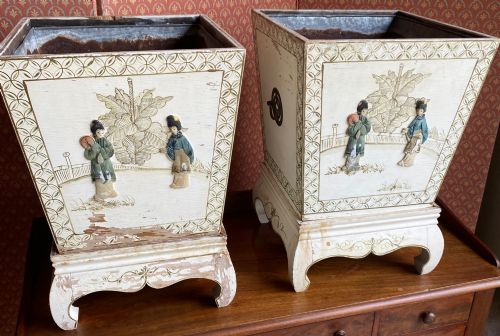
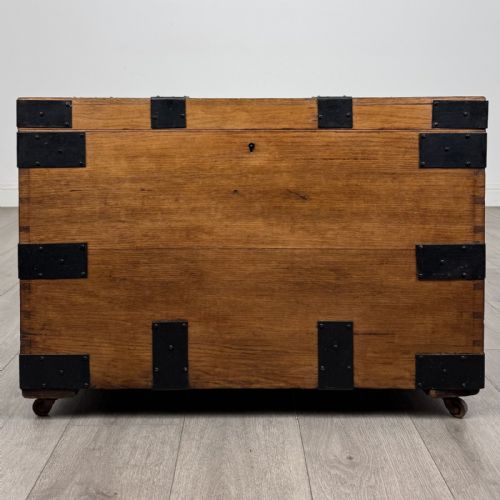
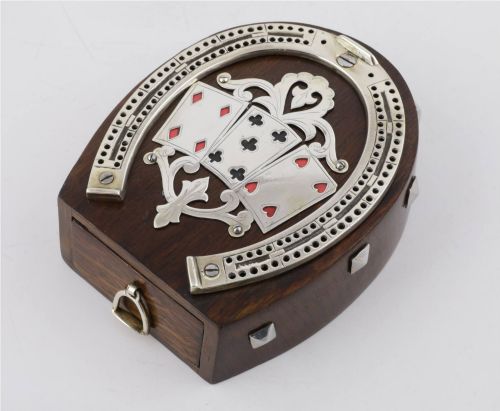
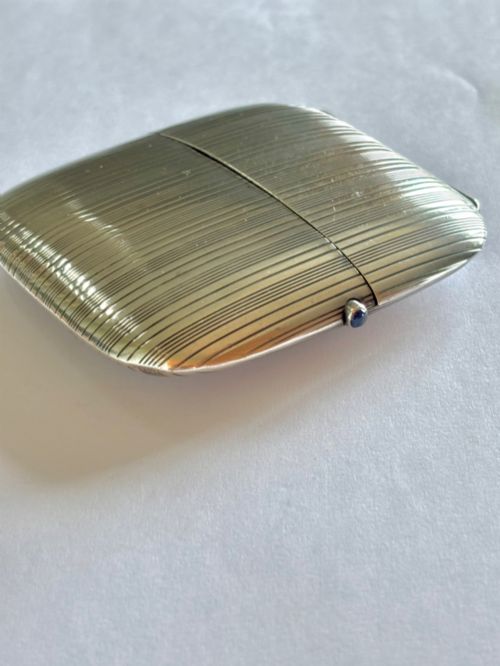
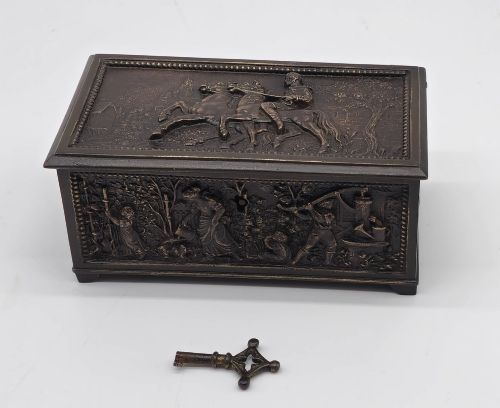
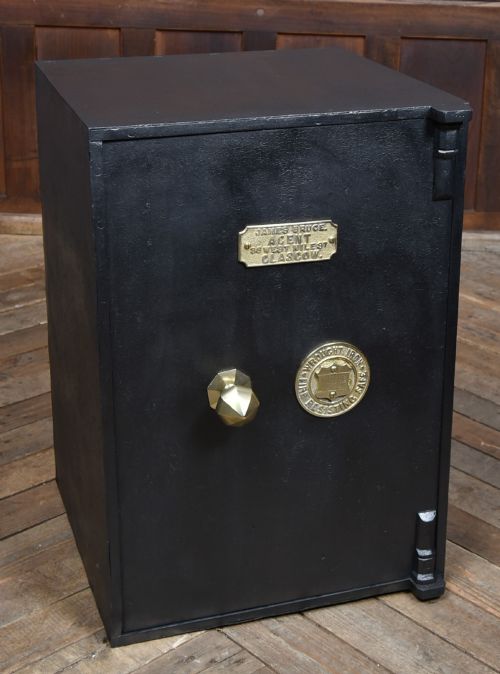
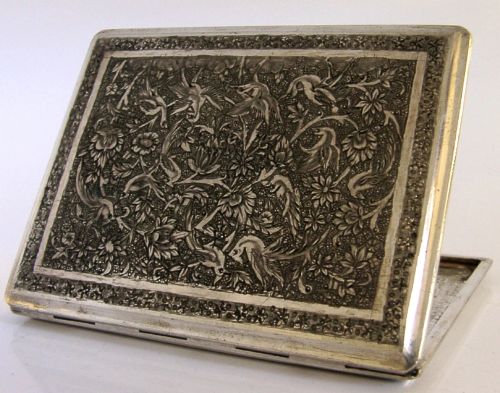
When searching for a vintage metal box, buyers encounter an array of functional objects spanning the nineteenth and twentieth centuries, including storage tins, cigarette cases, trunks, and games boxes.
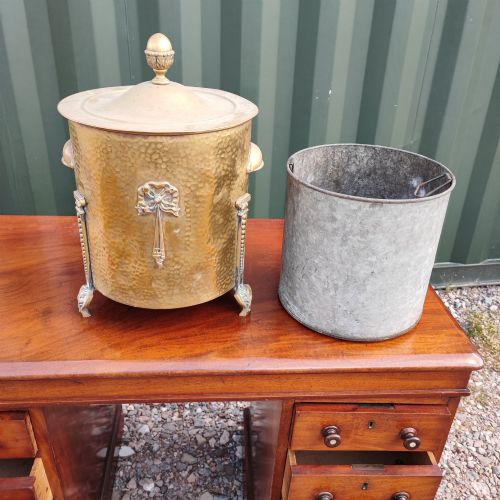
The most common examples on this page date from the Victorian and Edwardian periods, often incorporating brass, iron, or copper elements alongside oak, leather, and glass.
These items served diverse domestic and travel purposes, ranging from personal tobacco storage to large household chests fitted with original metal hardware.
Materials and construction
The construction of a vintage metal box relies on durable base metals such as iron, brass, and copper, frequently combined with wooden bodies or lined with velvet and silk for interior protection.
Craftsmen utilised techniques including hand embossing, engraving, and casting, joining metal components with rivets, corner braces, and secure locks that reflect the industrial and decorative standards of their respective eras.
Listings include items manufactured from brass, iron, copper, and silver, dating from the eighteenth century through to the mid-twentieth century.
Assessing quality
Quality in these pieces is determined by the crispness of surface decoration, the weight and integrity of the metalwork, and the preservation of original mechanisms such as hinges and locks.
Superior items exhibit hand-finished detailing, such as finely chased mounts or purposeful engraving, whereas lesser examples rely on mass-produced stampings with minimal individual character.
Samuel Pratt·De Grave Short And Co·James Bruce·F Whitfield And Co·Mappin And Webb·Karl Griesbaum
The Vintage Metal Box Glossary
- Tole ware
- Lacquered and painted sheet metal items designed for domestic use. This technique created durable household objects with decorative surfaces.
- Spelter
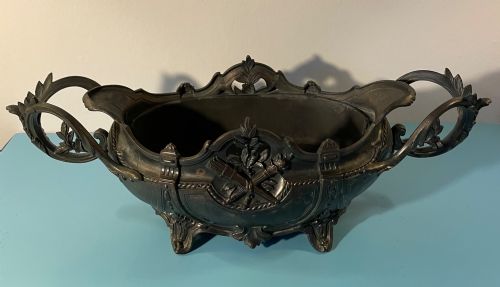
- A zinc alloy frequently used as a substitute for bronze in decorative figures and small caskets. It was often given a patinated finish to resemble heavier metals.
- Gau
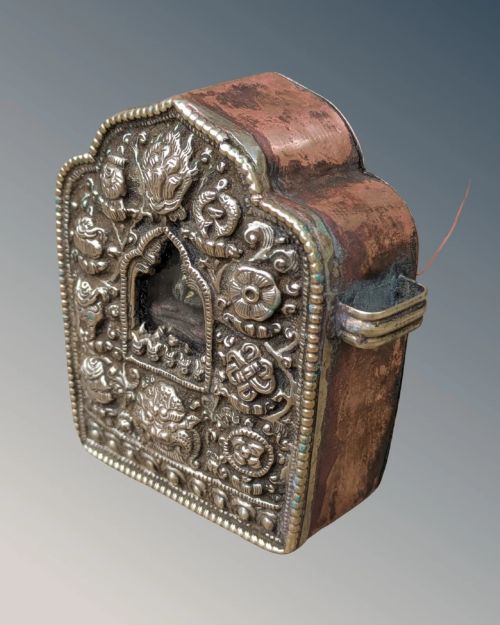
- A traditional Tibetan portable shrine constructed from metal to protect sacred texts and statues during travel. These devotional boxes often feature intricate repoussé decoration.
- Snuff box
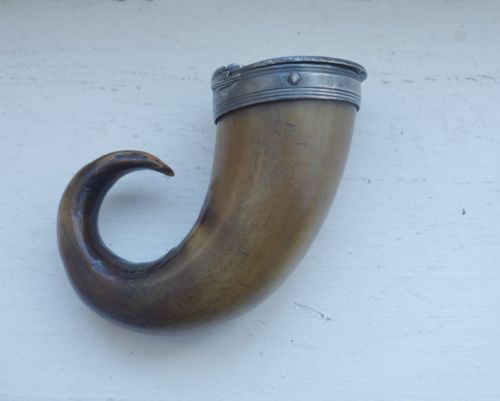
- A small container designed to hold powdered tobacco. They were produced in various metals, horn, and wood to fit easily into a pocket.
Vintage Metal Box: Frequently Asked Questions
How do I clean a vintage metal box?
Dust the surface gently with a soft, dry cloth to remove accumulated particles without disturbing the underlying patina.
Avoid abrasive polishes or chemical cleaning agents that can strip historical finishes from brass, iron, or silver components.
Can I use these boxes for daily storage?
Many sturdy trunks, tins, and caskets remain entirely suitable for organising modern accessories, documents, or household items.
For delicate silver or fabric-lined pieces, limit use to gentle display or lightweight storage to preserve their internal structure.
How do I date a metal box?
Examine the manufacturing techniques, lock mechanisms, and material combinations, comparing them to standard designs from the Victorian, Edwardian, or Art Deco eras.
Maker marks, registration numbers, and engraved inscriptions provide the most reliable chronological indicators.
Are keys usually included with these boxes?
Original keys are occasionally present, but many surviving examples from the nineteenth and early twentieth centuries have lost them over time.
A specialist locksmith can sometimes supply a replacement if the operational lock mechanism requires engagement.