





Vintage Matchbox Case
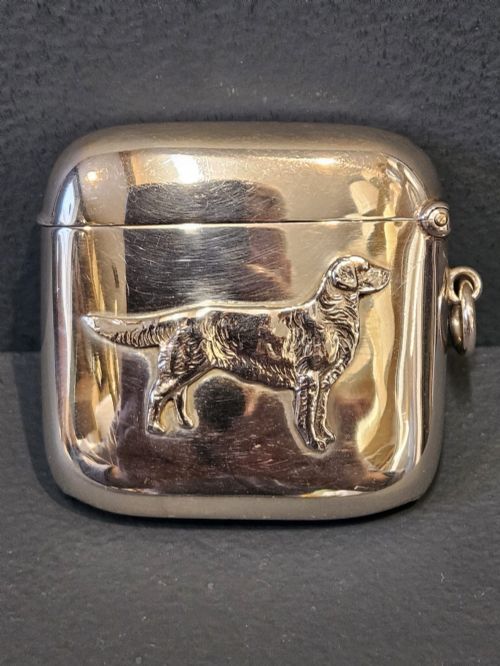
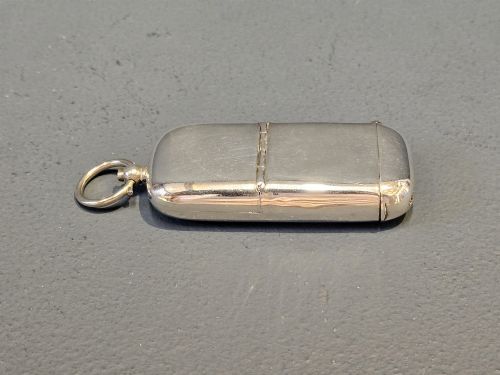
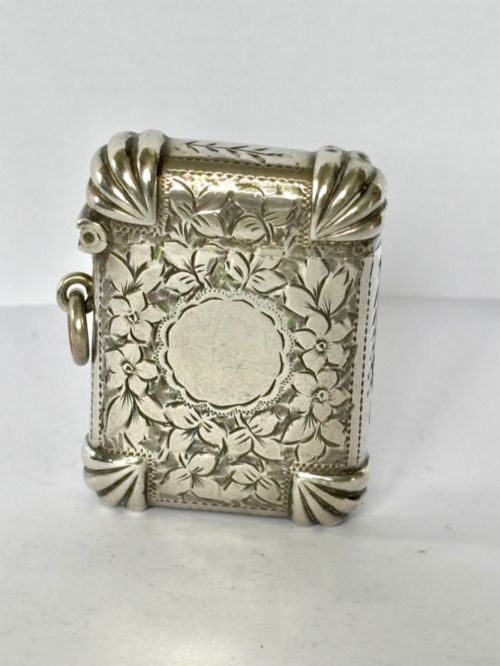
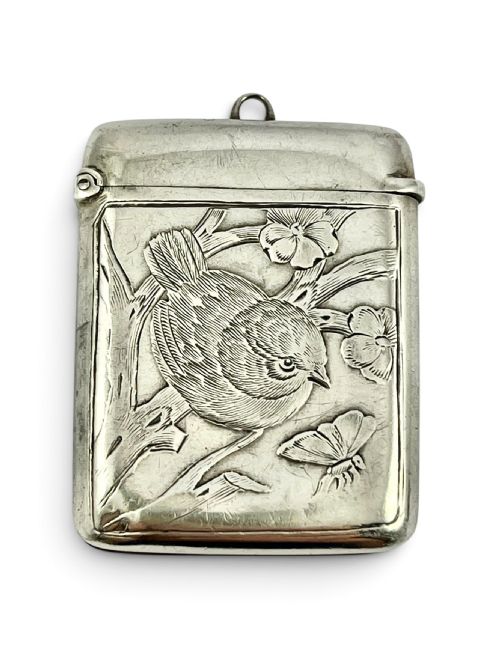
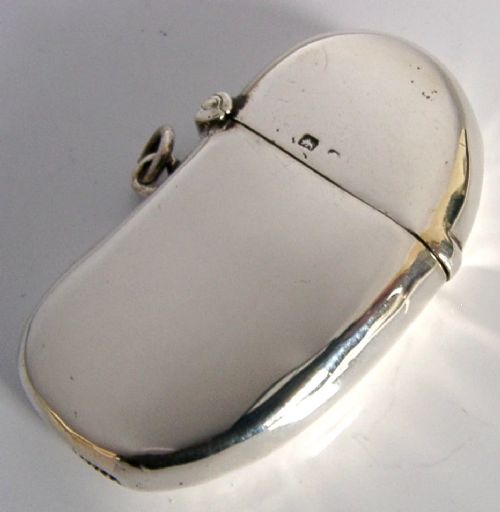
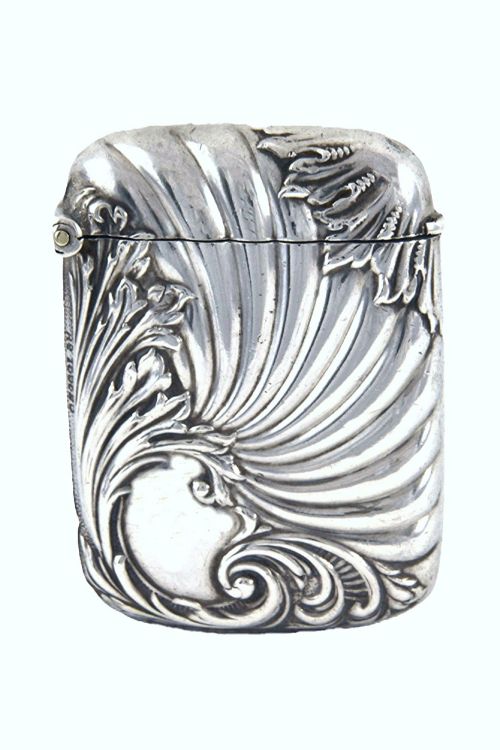
These vintage matchbox case examples are pocket vessels and holders shaped in silver and enamel, built to carry matches securely before safety boxes arrived.
Vintage Matchbox Case
When you search for a vintage matchbox case, you encounter pocket-sized silver matchsafes, vesta boxes, and matchbook covers designed to protect matches from moisture. The pieces most likely to meet you on this page originate from the Victorian, Edwardian, and George V periods, spanning the late nineteenth century into the nineteen-thirties.
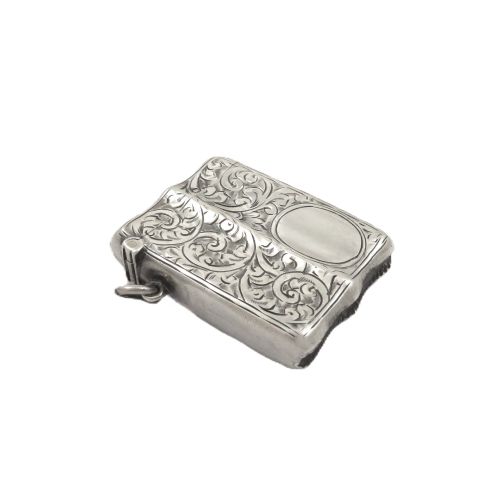
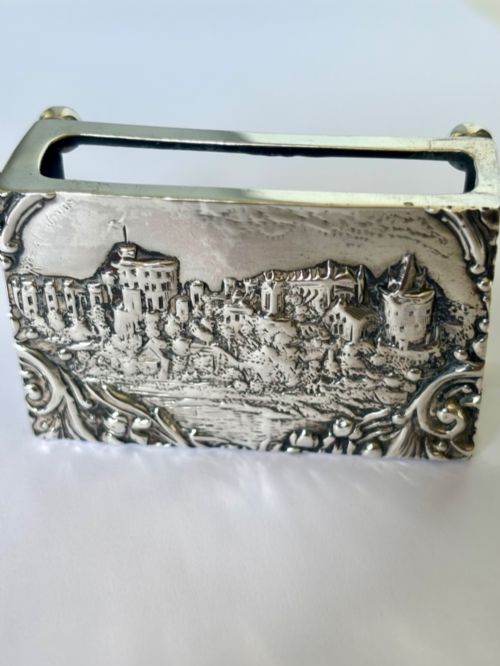
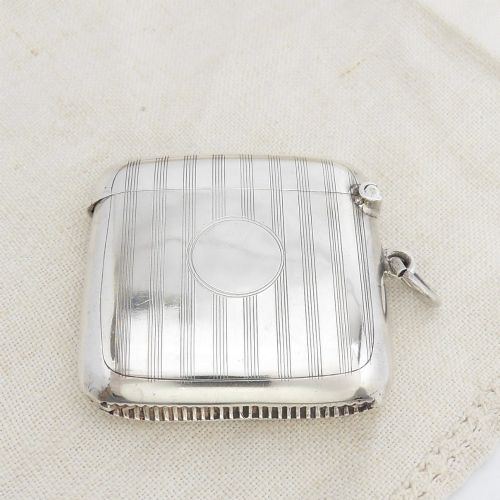
Makers shaped these smoking accessories in forms ranging from simple kidney bean silhouettes to castle top designs and curved pocket vestas. Many examples incorporate striker grooves on the base alongside hinged lids, whilst others house compartments for sovereigns or accommodate paper matchbooks.
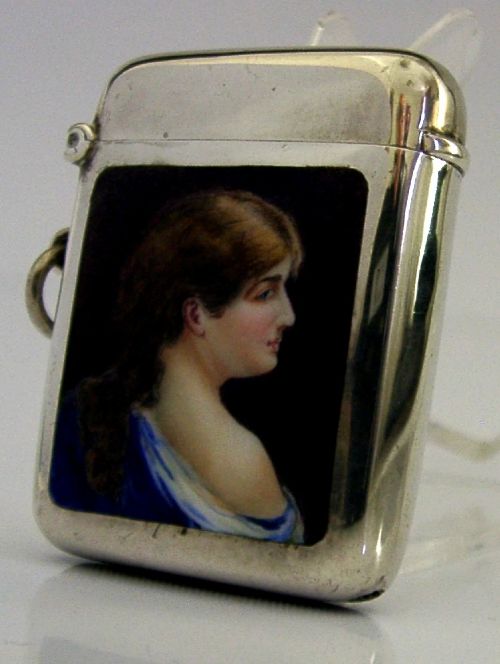
The materials recorded in these listings point predominantly to sterling silver, frequently paired with vitreous enamel, gold, gemstones, onyx, and lapis lazuli. Styles shift from ornate Victorian repoussé work and Art Nouveau motifs towards cleaner geometric Art Deco lines.
How they were made
Silversmiths constructed these match containers using sheet silver, employing stamping, casting, and hand engraving to ornament the outer shells. Hinges and snap closures required precise metalworking to ensure the spring-loaded lids functioned securely in a pocket.
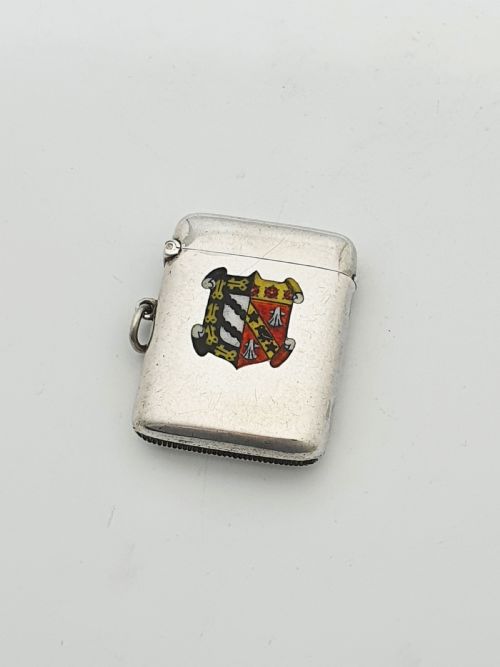
Surface decoration frequently involved vitreous enamel, hand-painted details, and applied enamel crests fused to the silver base through kiln firing. Certain pieces combined silver with gold highlights, gemstones, and hardstones such as onyx or lapis lazuli set into the metalwork.
Vintage Matchbox Case Retail Price Guide 2026
Typical asking prices for vintage matchbox case among the pieces listed under this phrase on Sellingantiques today, from the lower quarter to the upper quarter. They describe what is for sale here now, not the wider market.
Listings feature sterling silver match containers spanning the Victorian, Edwardian, and Art Deco periods, alongside hardstone and enamel examples.
What varies in quality
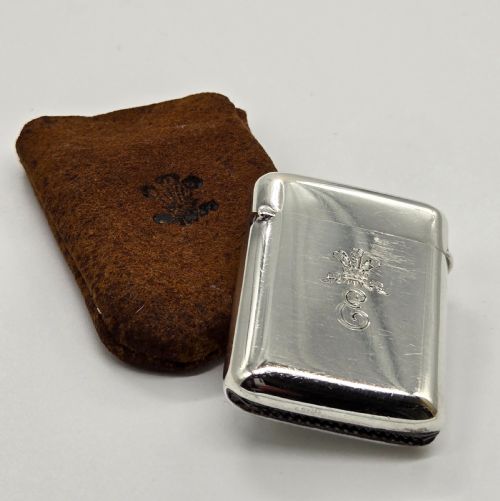
The caliber of a piece rests upon the crispness of the hand engraving, the depth of repoussé relief work, and the structural integrity of the hinge. Superior examples maintain sharp definition in motifs such as retriever figures, mermaid scenes, or royal crests without softening from wear.
Enamel work introduces another measure of distinction, where intact painted scenes or heraldic crests free from chipping distinguish finer commissions. The presence of precious secondary materials, including gold accents or inlaid gemstones, separates standard pocket vestas from elaborate presentation pieces.
EV Pledge and Son·Robert Pringle·Alfred Clark·George Betjemann
The Vintage Matchbox Case Glossary
- Vesta case
- A small pocket box designed to hold matches, known as vestas, equipped with a striking surface on the base. These containers kept sulphur matches dry and safe from accidental ignition.
- Matchsafe
- An alternative term for a vesta case or matchbox holder, used widely in nineteenth and twentieth-century Britain. They were carried in pockets or attached to watch chains.
- Castle top
- A style of matchbox cover featuring a detailed dimensional engraving or cast depiction of a famous building or royal residence on the lid. Windsor Castle is a frequent subject.
- Repoussé
- A metalworking technique where the silversmith hammers the design from the reverse side to form a raised relief on the front. This method creates tactile, three-dimensional imagery.
- Vitreous enamel
- Glass powder fused to a metal surface at high temperatures to produce a glossy, coloured decoration. It provides durable and vibrant ornamentation on silver accessories.
Vintage Matchbox Case: Frequently Asked Questions
What is the difference between a vesta and a matchsafe?
A vesta specifically refers to a case designed for short wax matches called vestas, whilst matchsafe is a broader term encompassing holders for various match types including paper books.
In British collecting terminology, the two names often apply to the same pocket-sized silver container.
How do I date a silver match case?
Dating relies heavily upon the hallmarked assay office marks, date letters, and maker's stamps struck directly into the silver metal.
Stylistic cues such as Edwardian motifs or Art Deco geometric lines further help place the manufacture within a specific decade.
Did these cases only hold matches?
Many designs incorporated secondary compartments to serve multiple daily functions for the Victorian or Edwardian owner.
Combinations frequently paired match storage with sovereign purses for gold coins or slots for visiting cards.
How were these cases carried?
Owners typically slipped them into waistcoat pockets or handbags for everyday convenience during travel and social outings.
Some variants included suspension loops to attach the box securely to a pocket watch chain or chatelaine.