




Vintage Maritime Display Box
A vintage maritime display box brings the scale and romance of the sailing era directly onto a wall or shelf.
Vintage Maritime Display Box
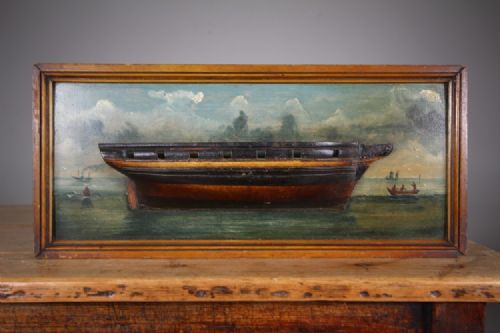
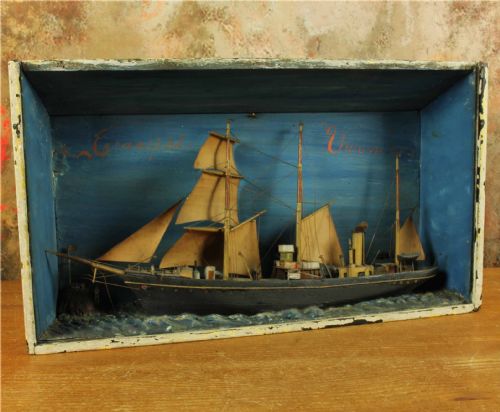
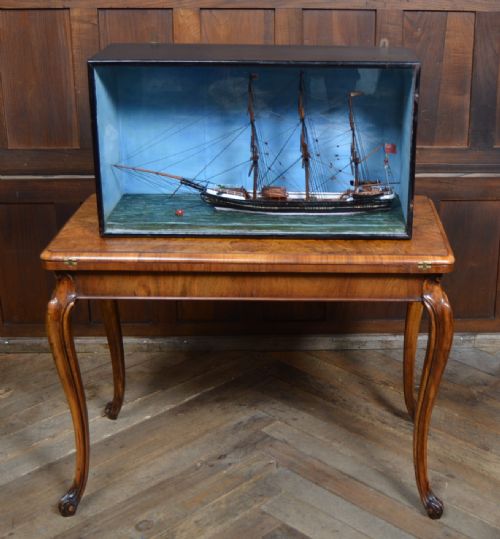
A vintage maritime display box comprises cased shadow boxes, ship dioramas, and glazed brass frames designed to hold marine models and marine folk art. You encounter nineteenth-century English and French examples alongside early twentieth-century shell grottos and Admiralty pattern cases.
The dominant forms on this page are dimensional dioramas showing sailing vessels under full sail, often framed in wood or pine with painted canvas seas. These objects serve as tactile records of maritime history, made to preserve detailed model ships behind glass.
How they were made
Makers constructed these display boxes using timber frames such as pine, enclosing the scenes behind glass to protect delicate models. Painted canvas, plaster, and oil paint created the textured backdrop of the sea, while gilt accents sometimes highlighted the frames.
Inside the boxes, makers built miniature sailing ships by hand, using carved wood and rigging to replicate specific vessels like the Glynllifon or Queen Anne. Admiralty pattern brass and glass cases utilised robust metal hardware and secure locks for functional marine deployment.
Listings span the nineteenth and early twentieth centuries, featuring wood, glass, paint, plaster, canvas, oil paint, gilt, and pine.
What varies in quality
The degree of realism in the painted canvas waves and the intricacy of the handmade boat model determine the visual success of a diorama. Finer examples capture precise rigging and the dynamic motion of racing vessels across the sea.
The choice of materials also elevates a piece, shifting from simple painted pine boxes to substantial brass-bound and glass-fronted cases. Superior construction ensures the internal folk art or shell work remains entirely protected and visually crisp.
The Vintage Maritime Display Box Glossary
- Shadow Box Diorama
- A shallow glazed case containing a three-dimensional scene built up from painted backgrounds and physical models. This construction protects delicate interior elements from dust while offering a clear view from the front.
- Maritime Folk Art
- Decorative objects created by sailors or regional craftspeople using accessible materials like wood, shells, and canvas. These pieces reflect vernacular traditions rather than strict naval architecture.
- Admiralty Pattern
- A standardised design specification commissioned for official or naval use, typically featuring robust brass and glass construction. Such cases prioritize durability and secure locking mechanisms.
- Shell Grotto
- An ornamental display arrangement composed of various small shells adhered to form textured patterns or miniature landscapes. They frequently appear within early twentieth-century folk art contexts.
Vintage Maritime Display Box: Frequently Asked Questions
What is a vintage maritime display box?
A vintage maritime display box is a glazed wooden or brass case enclosing a three-dimensional model ship or marine scene. These pieces combine folk art construction with detailed miniature vessels.
Originating largely from the nineteenth and early twentieth centuries, they were built to preserve delicate maritime models behind protective glass. Today they function as striking wall art and decorative objects.
How were these dioramas used?
These dioramas served as commemorative pieces for specific vessels, decorative items in maritime homes, or mementos brought home by sailors. The enclosed glass protected the intricate rigging from dust and damage in coastal environments.
Many examples recorded named ships and famous races, acting as visual histories for sea-faring communities. They were designed to hang on walls or sit upon surfaces in parlours and studies.
How do I date a maritime display box?
Dating relies on examining the construction materials, frame styles, and the specific vessel or maker noted on the piece. Nineteenth-century examples often feature simple pine framing and hand-painted canvas seas, while later pieces incorporate standardised brass components.
Stylistic cues such as Victorian folk art aesthetics or early twentieth-century shell work help narrow the period of creation. Archival details like named ships further anchor the timeline.
How do I care for a cased ship model?
Care involves keeping the display box out of direct sunlight to prevent the oil paint and canvas backgrounds from fading. The sealed glass front should remain closed to protect the fragile interior rigging from atmospheric dust and moisture.
Wooden frames benefit from occasional dusting with a dry cloth, avoiding liquid polishes that might seep into the case. Stable indoor humidity preserves both the wood and the delicate internal elements.