



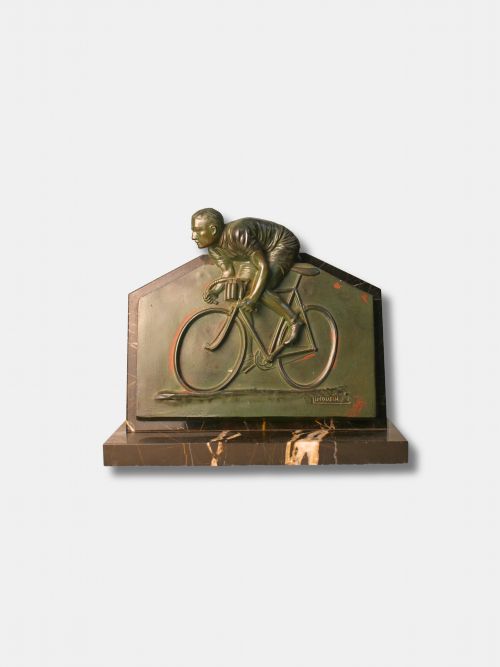


Vintage Marble Plinth
A vintage marble plinth raises a bronze figure, bust or architectural support above the floor, bringing stone weight to a room.
Vintage Marble Plinth
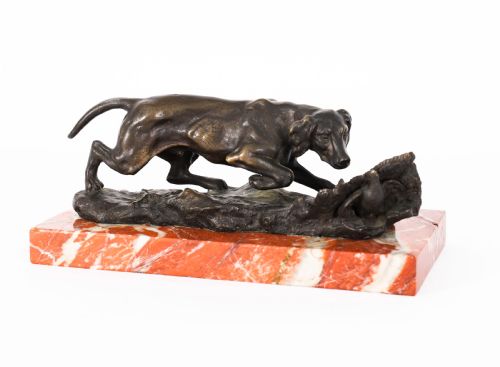
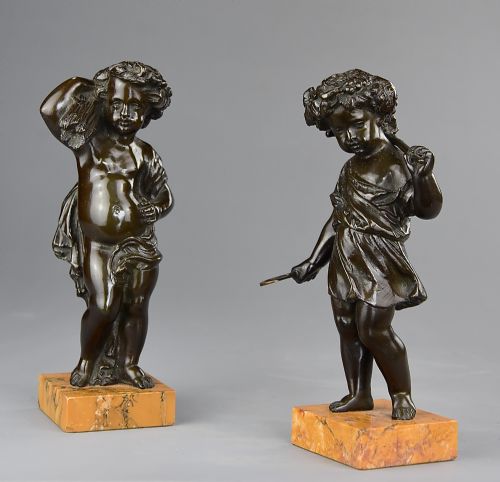
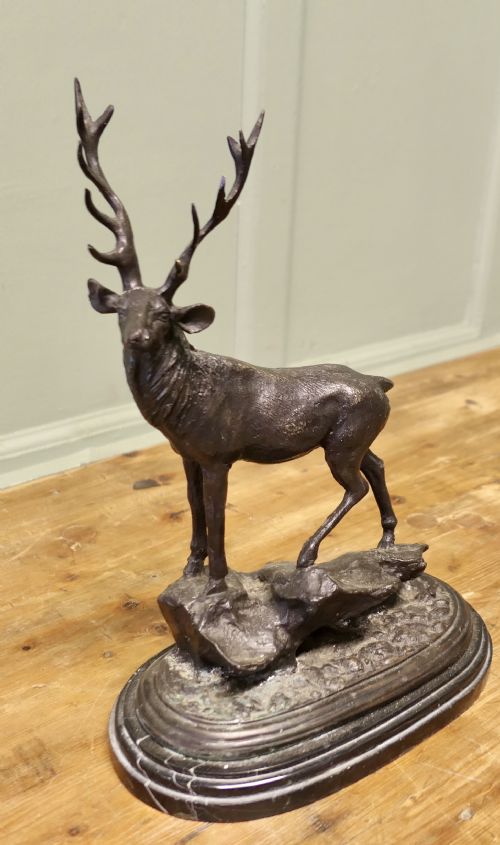
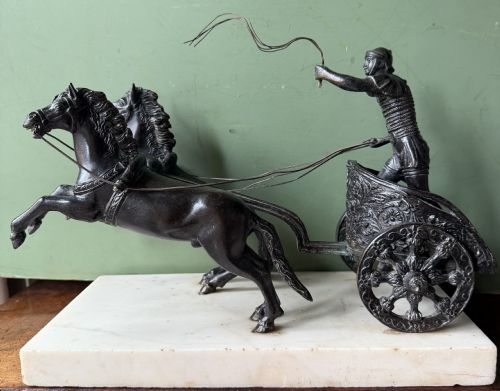
When you search for a vintage marble plinth, you encounter a varied group of architectural supports and sculptural bases designed to display figures, clocks or columns. These pieces function independently as plant stands and torchères, or serve as the foundational mounting block for bronze and spelter animaliers, allegorical putti and classical busts. The selection spans the nineteenth century through the art deco era, encompassing monumental stone columns alongside small display bases.
The most frequent examples on this page are tall architectural columns and pedestals carved from solid stone, alongside smaller display blocks attached to metal sculptures. You will find items formed from white, black and variegated marble, as well as allied materials like onyx and alabaster. Their forms range from simple cylindrical supports to ornate neoclassical revivals mounted with ormolu.
How they were made
Makers shaped these supports using quarried stones such as marble, onyx, alabaster, granite and slate, turning columns on lathes or hand-carving statuary bases. Natural veining and colour variation within the stone dictate the visual character of each piece, requiring stonemasons to select blocks that balanced structural integrity with decorative appeal.
Many items combine carved stone bases with cast metal components, uniting heavy marble plinths with figures cast in bronze, brass, spelter, silver plating or gilded ormolu. Artisans secured these mixed-media pieces using threaded metal rods and bolts running through the centre of the stone to anchor the sculptural top securely.
Listings combine architectural columns with small sculpture bases across the nineteenth and early twentieth centuries.
What varies in quality
Quality rests upon the selection of the stone and the precision of its finish. Finer pieces display harmonious natural veining and carefully polished surfaces without abrupt filler repairs, whereas simpler or faux versions rely on painted plaster or basic cast elements.
The relationship between the support and its mounted object dictates overall refinement. Superior examples feature stable, heavy stone bases proportioned precisely to balance the weight of the bronze, marble bust or clock mounted upon them.
The Vintage Marble Plinth Glossary
- Plinth
- A heavy rectangular or square block of stone serving as the base for a statue, column or bust. It provides structural stability and visual grounding to the object above.
- Pedestal
- An upright architectural support used to elevate sculpture, urns or plants. These tall columns can be circular or square in plan.
- Torchère
- A tall ornamental stand or candlestick designed to hold a light source. In stone, it functions similarly to a decorative column.
- Animalier
- A nineteenth-century artistic style focusing on realistic depictions of animals, frequently mounted directly onto stone display bases. These subjects include working dogs, stags and birds.
- Ormolu
- Gilded bronze mounts applied to furniture and stone pedestals. This decorative technique adds metallic enrichment to neoclassical designs.
Vintage Marble Plinth: Frequently Asked Questions
What is a marble plinth used for?
These stone blocks serve primarily as display foundations for bronze sculptures, historical busts and decorative figures. They elevate small statuary to eye level and provide a heavy, stable base.
Larger versions function independently as architectural columns, plant stands and torchères. They organise interior space by lifting decorative objects off the floor.
How do I date a marble pedestal?
Dating relies on stylistic clues, manufacturing techniques and the accompanying sculptural elements. Pieces associated with nineteenth-century revivals often display classical or louis xvi motifs.
Later items from the nineteen-thirties lean towards streamlined art deco geometries or simpler cylindrical forms. The machining marks on the stone also help determine age.
Are all these items solid marble?
The selection includes pieces carved from solid natural stones including white carrara, black marble, variegated varieties, onyx and alabaster. Each type possesses distinct weight and veining.
Some listings feature alternative materials such as painted plaster, cast bronze or faux marble finishes. Read the individual item descriptions to verify the specific stone used.
How do I care for vintage stone?
Dust natural marble, onyx and alabaster regularly with a soft, dry cloth. Avoid harsh chemical cleaners or acidic substances that can etch the polished surface.
Protect the stone from sudden impacts and heavy moisture. Felt pads placed underneath help prevent scratching when resting on wooden furniture.