



Vintage Mantel Figures
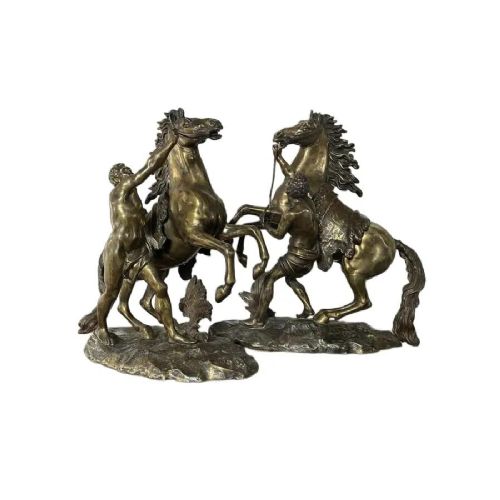
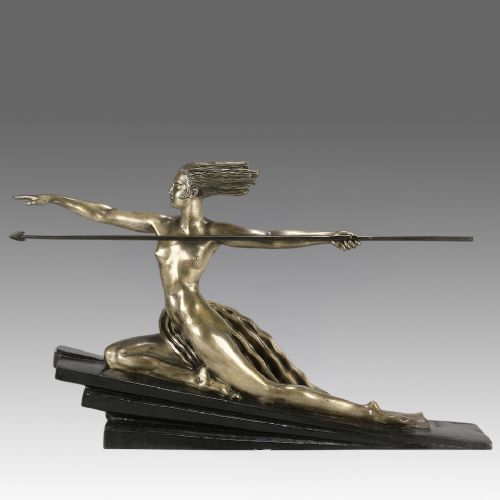
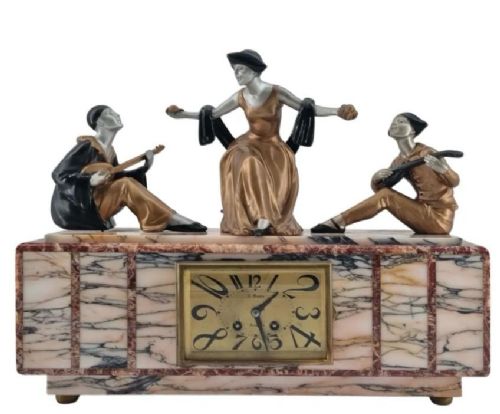
These vintage mantel figures bring character to a room, spanning bronze dancers, Staffordshire dogs and marble clock garnitures.
Vintage Mantel Figures
Vintage mantel figures encompass decorative sculptures, clock garnitures and ceramic animals designed to stand upon a fireplace shelf. The selection draws on pieces from the Victorian era through to the Art Deco period of the 1920s and 1930s.
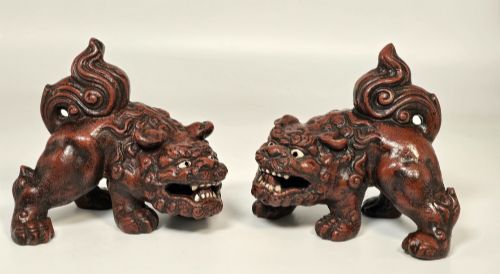
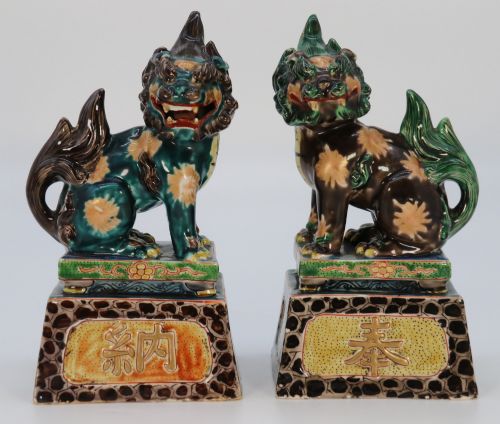
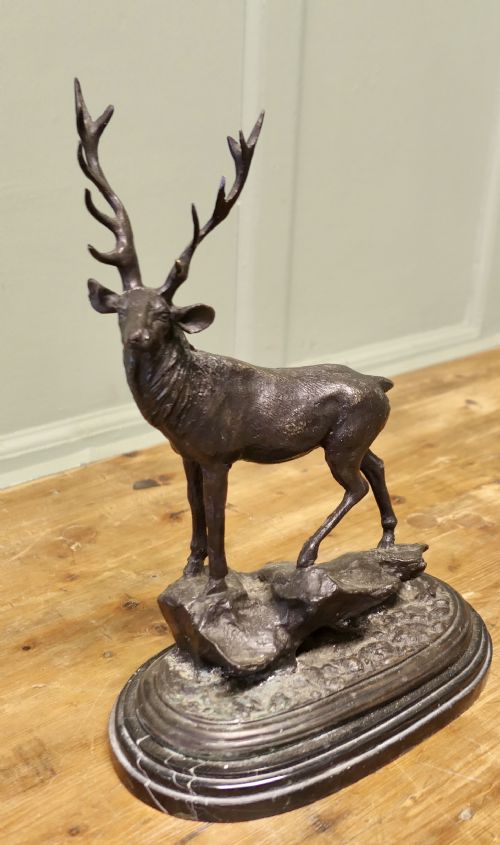
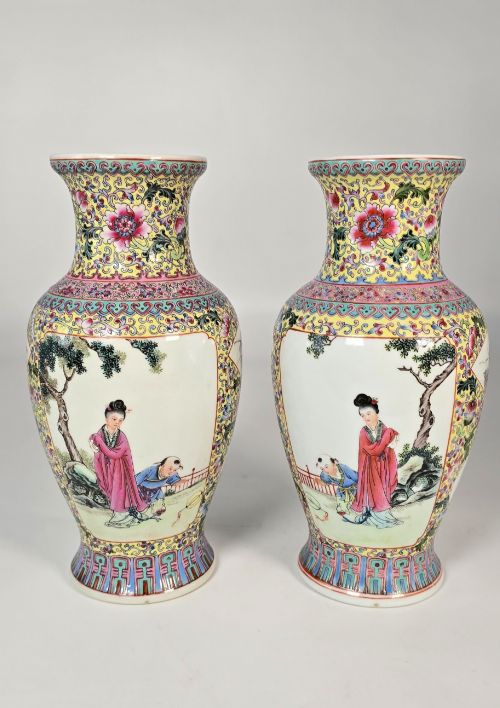
Buyers encounter earthenware Staffordshire greyhounds and spaniels alongside cast metal animalier groups and patinated bronze figures. Oriental ceramics and European porcelain pieces also appear among the sculptural objects.
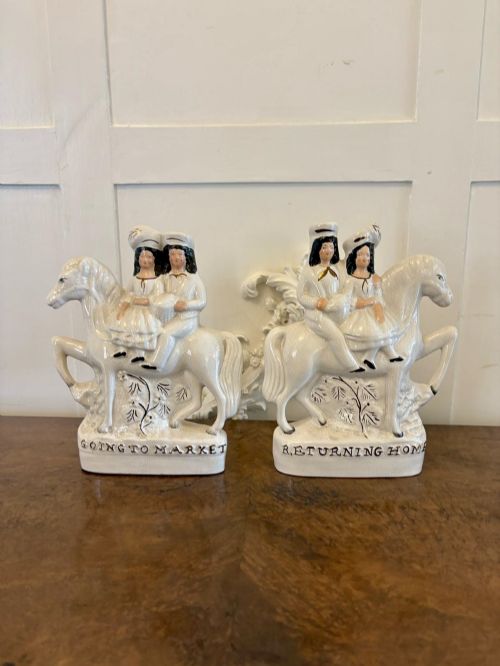
Many examples survive as pairs meant to flank a clock or centrepiece. Others stand as single sculptural subjects including dancers, historical figures and wild animals.
Materials and methods
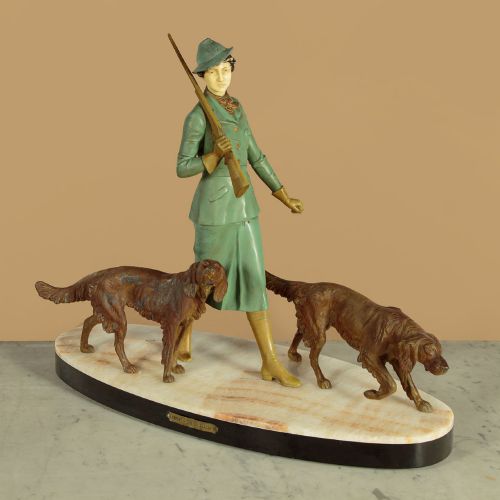
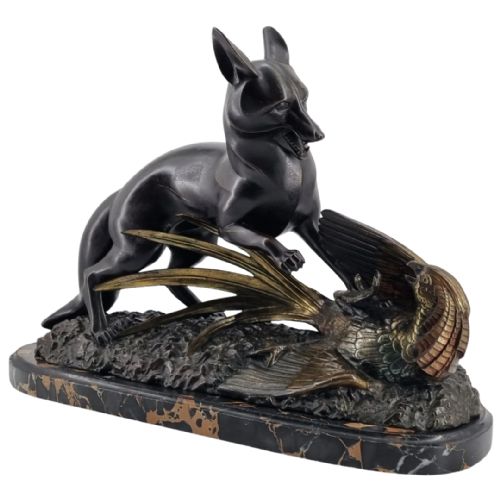
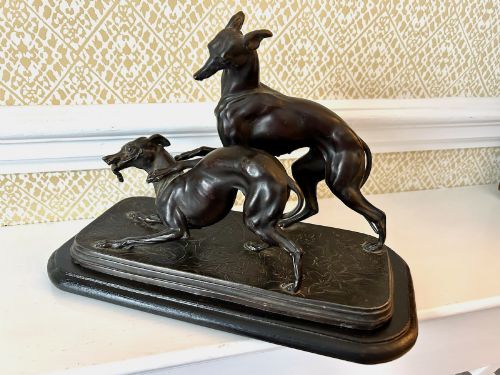
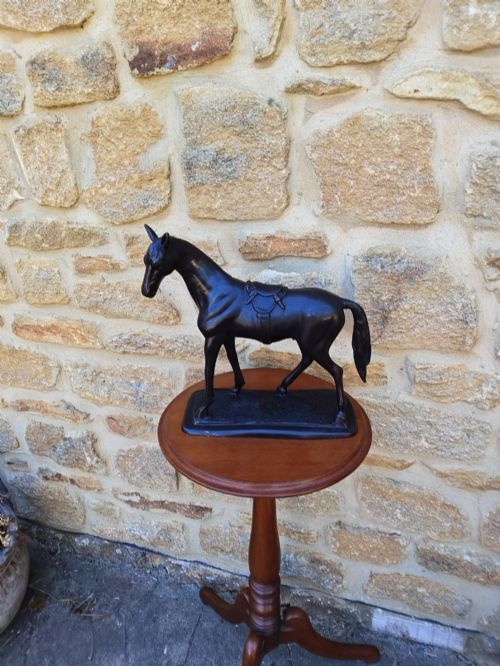
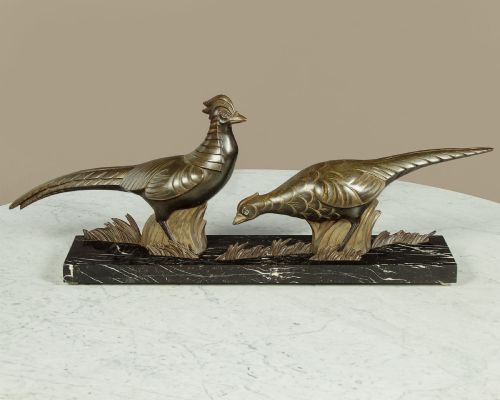
Foundry cast metals dominate the later periods, utilising bronze, brass and spelter often mounted on marble plinths. Chasing and patination bring out fine details in the metalwork of dancers and animals.
Ceramic figures rely on earthenware, porcelain and pottery traditions, shaped in moulds and finished with enamel paints, copper lustre or underglaze decoration. Staffordshire potters and major European factories utilised these traditional firing methods.
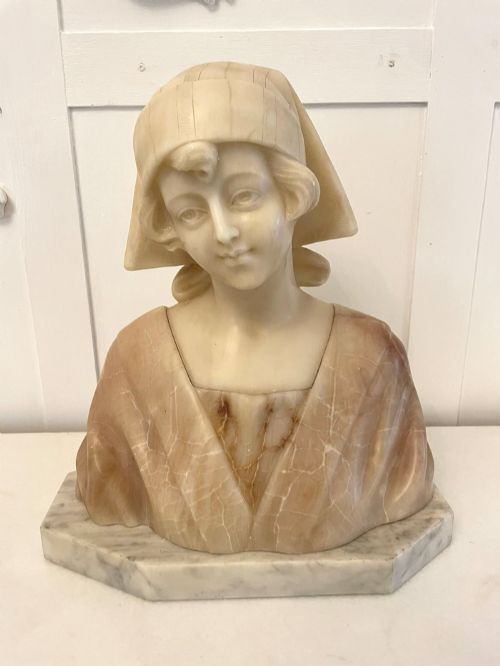
Alabaster, ivory and carved stone appear in select figural works, sometimes combined with metal castings in chryselephantine sculptures.
Vintage Mantel Figures Retail Price Guide 2026
Typical asking prices for vintage mantel figures among the pieces listed under this phrase on Sellingantiques today, from the lower quarter to the upper quarter. They describe what is for sale here now, not the wider market.
Listings feature materials ranging from bronze and spelter to porcelain, earthenware, marble and ivory across the Victorian and Art Deco eras.
Separating the grades
Original finishing matters greatly, from the depth of the bronze patination to the hand-painted enamels on pottery and porcelain. Later touch-ups or replaced bases alter the integrity of an antique piece.
Artist signatures and foundry marks separate standard production items from signed works by known modellers of the Art Deco and Victorian periods.
Lavroff·Josef Lorenzl·Sega·Demetre Chiparus·Gotthilf Jaeger·Paul Philippe
The Vintage Mantel Figures Glossary
- Spelter
- A zinc alloy commonly used as a cost-effective substitute for bronze in decorative figures, often given a bronze-like finish.
- Garniture
- A set of matching decorative vessels or figures, typically comprising a central clock and two flanking vases or candelabras.
- Chryselephantine
- A sculpture combining bronze and ivory, seen frequently in Art Deco figural works.
- Staffordshire flat back
- Earthenware figures designed to sit flush against a wall or mantelpiece, left unglazed on the reverse.
- Animalier
- A nineteenth-century artistic movement focusing on the realistic portrayal of animals, particularly predators and game.
Vintage Mantel Figures: Frequently Asked Questions
Are Staffordshire dogs always found in pairs?
Staffordshire ceramic dogs were traditionally modelled as facing pairs to sit on either end of a mantelpiece. Each dog looks inward toward the centre of the fireplace.
Single dogs do appear due to separation over the decades, but matching pairs remain the preferred form for collectors.
What is the difference between bronze and spelter?
Bronze is a durable copper and tin alloy that takes a rich, stable patina and holds sharp foundry details. Spelter is a softer zinc-based metal that feels lighter and requires careful handling.
Many Art Deco figures utilise spelter as an accessible alternative to solid bronze while maintaining a similar visual appearance.
How do I spot a clock garniture set?
A garniture consists of a central mantel clock accompanied by two matching side pieces, such as urns, vases or candelabras. These sets were designed to sit harmoniously across a fireplace mantel.
Matching materials, decorative motifs and bases confirm that the items belong to the original ensemble.