


Vintage Mannequin Bust
These vintage mannequin bust examples are striking display pieces that bring sculptural presence and shop-floor history directly into a room.
Vintage Mannequin Bust
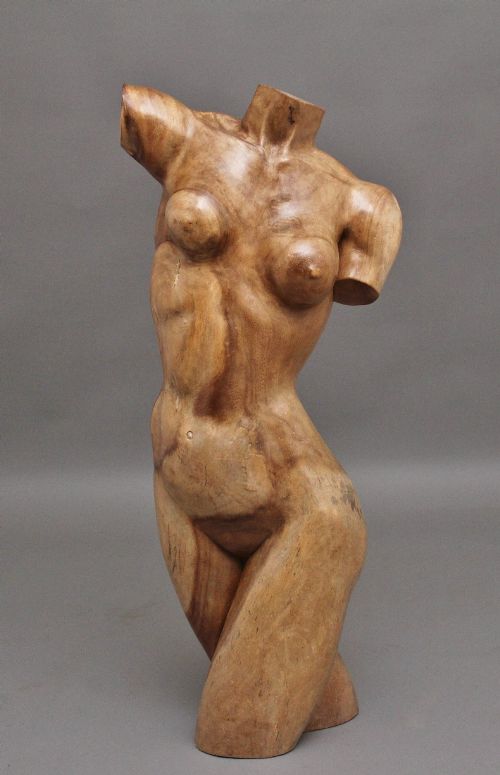
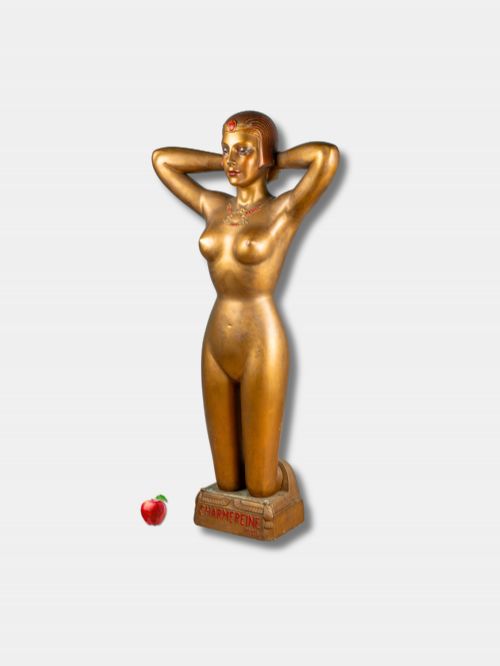
When you search for a vintage mannequin bust, you look at figures designed for shop displays, millinery, and tailoring from the late nineteenth century through the Art Deco era. The selection ranges from carved wooden folk art heads to plaster ladies and Parisian advertising pieces.
You are most likely to meet French shop displays and tailors dummies dating from around nineteen hundred to nineteen thirty on this page. These objects appear as life-size female torsos, counter-top display busts, and child shop figures.
The forms originate from commercial environments, serving as advertising displays for lingerie and millinery before finding a second life as decorative interiors. Each piece carries the distinct aesthetic of Edwardian craftsmanship or early twentieth century modernism.
How they were made
Maker workshops utilised carved wood, plaster, and painted canvas over structural forms to build durable shop displays. Artisans shaped timber into expressive millinery heads and cast plaster into detailed female torsos.
Surfaces were frequently finished with paint, fabric coverings like linen, and applied lettering for advertising purposes. These material combinations ensured the display pieces could withstand daily use in Parisian boutiques and tailor shops.
Listings feature items spanning the Edwardian period through to nineteen thirty, utilising wood, linen, metal, and plaster.
What varies in quality
The distinction between standard commercial items and finer pieces lies in the sculptural ambition of the modelling and the finesse of the surface finish. Finer examples display sensitive carving in wood or delicate plaster work that captures realistic facial expressions and anatomical poise.
Original signage, authentic period fabrics such as linen or canvas, and identified maker origins elevate the character of a bust. The integrity of the materials and the survival of original painted details separate basic shop props from artistic display works.
Charmereine·Stockman of Paris·Pierre Iman
The Vintage Mannequin Bust Glossary
- Milliner
- A maker and seller of hats. Milliner's heads were specifically shaped to display women's hats and bonnets.
- Tailor's dummy
- A padded or solid torso used for fitting garments during tailoring. These objects often retain fabric coverings and adjustable stands.
- Plaster
- A building material made from gypsum, water, and other ingredients. Plaster was cast and painted to create smooth, durable shop display busts.
- Art Deco
- A design style characterised by sleek geometric shapes and streamlined forms. This aesthetic dominated decorative arts around nineteen thirty.
Vintage Mannequin Bust: Frequently Asked Questions
What are vintage mannequin busts made of?
These display pieces are constructed from materials including carved wood, plaster, canvas, and linen. Metal components often support the structural bases of the figures.
Surfaces are frequently finished with paint or fabric coverings, reflecting the commercial requirements of early twentieth-century shop displays.
How were mannequin busts used originally?
Shops utilised these busts in windows and on counters to display clothing, millinery, and lingerie to customers. Tailors also employed them for fitting and constructing garments.
Over time, these commercial tools transitioned from working boutiques into interior decorative objects.
How do I date a mannequin bust?
Dating relies on stylistic markers such as Art Deco geometric lines, Edwardian details, or early twentieth-century modernism. Materials like carved wood or painted plaster also point to specific manufacturing decades.
Inscribed maker names or Parisian stamps on the pieces provide precise historical context.
How do I style a mannequin bust at home?
These busts work well placed on tables, sideboards, or mantels as sculptural focal points in a room. Their neutral tones and textured materials complement various interior styles.
Collectors sometimes drape vintage textiles, scarves, or hats over the figures to highlight their original purpose.